What was Project Plowshare? The history of using nuclear bombs to extract natural gas
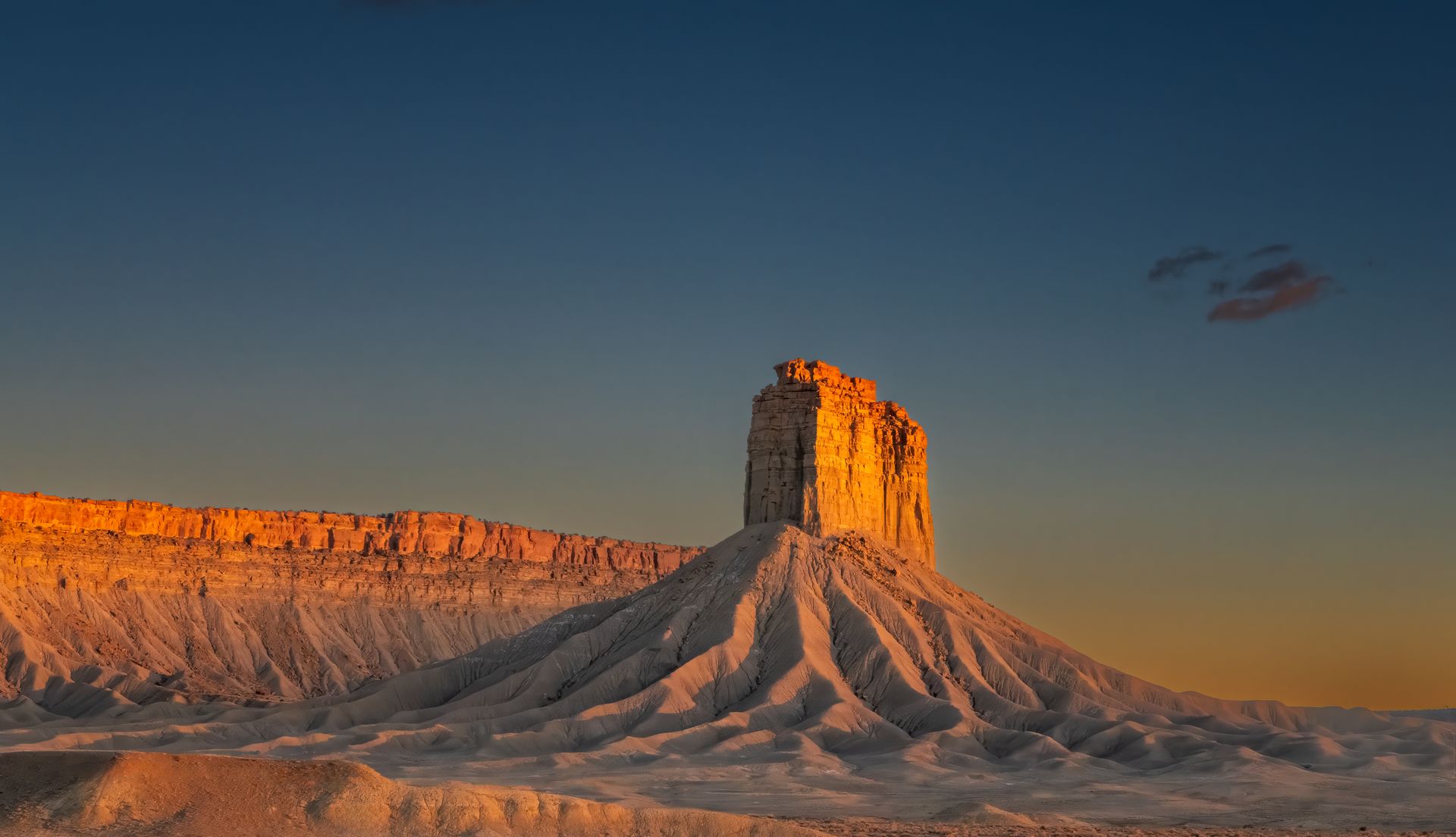
In 1973, in Rio Blanco County in north-western Colorado, the US Department of Energy detonated three nuclear bombs deep down a natural gas well. According to Atlas Obscura, the test was part of a broader programme known as Project Plowshare, which aimed to use nuclear explosions for peaceful purposes.
The basic idea of Project Plowshare was to channel the destructive power of nuclear explosions into civil engineering projects such as construction and mining. The programme's name came from the biblical phrase about turning "swords into ploughshares" and reflected the period's optimistic vision of the non-military use of nuclear technology.
The programme was launched in the United States in the late 1950s. At the time, it was suggested that nuclear explosions could be used across a wide range, from digging canals to creating harbours, from building dams to releasing underground resources. Among these ideas, one of the most-discussed applications was boosting natural gas extraction.
That was the rationale behind the Rio Blanco test. The rock formations in the area contained natural gas, but the gas was difficult to extract by conventional methods. The plan was to carry out an underground nuclear explosion to fracture the rock and make the trapped gas easier to collect. To this end, three nuclear devices were placed deep down a well and detonated simultaneously.
The test went ahead technically, but the results did not meet expectations. Some of the gas extracted was contaminated with radioactive material, which made it unsuitable for commercial use. This problem undermined the basic economic rationale behind the programme: if the extracted resource could not be used safely, the method had no practical value.
Rio Blanco was one of the last major gas-stimulation tests under Plowshare. Similar projects — for example, other gas-stimulation tests carried out in earlier years — had run into the same basic problems: radioactive contamination, lower-than-expected yields and growing public concern.
Public reaction was one of the important factors that brought the programme to an end. Concerns grew over the tremors caused by the underground explosions, possible contamination of water sources and the spread of radioactive material. These environmental and health concerns led the projects to meet increasing resistance at the local level.
The programme was ended in the mid-1970s through a combination of economic failure and mounting criticism. Lasting about two decades, Plowshare closed without permanently realising any of the large-scale civil applications it had aimed for.
Today the Rio Blanco test site stands as a quiet relic of this period. The area has markers indicating the points where the detonations took place and restrictions on access. The site is preserved as a physical reminder of an optimistic but troubled offshoot of the nuclear age.
Historians say Project Plowshare is an example of how the limits of a technology are set not only by technical factors but by environmental, economic and social ones too. The idea of turning nuclear explosions into peaceful engineering reflected the technological optimism of the period, while the practical obstacles it ran into show why that vision did not come to pass.
Read next
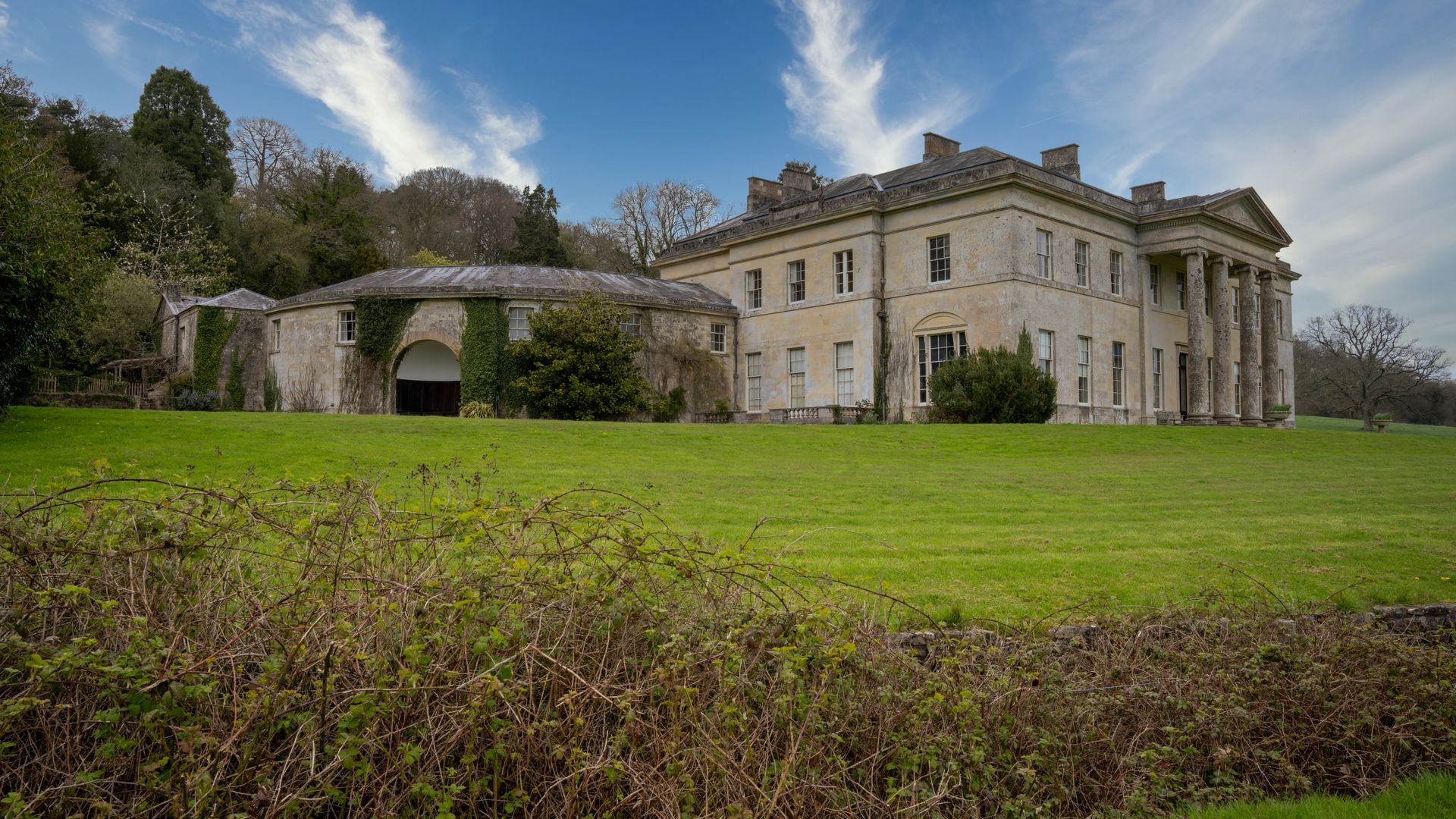
Who were the Ladies of Llangollen? The story of two women who fascinated Georgian society
Eleanor Butler and Sarah Ponsonby built a life together in 18th-century Wales, becoming famous for their shared home and devoted companionship. Known as the Ladies of Llangollen, the pair drew the admiration and curiosity of Georgian society.

26 June 1945: the signing of the United Nations Charter
On 26 June 1945, in San Francisco, delegates from 50 countries signed the United Nations Charter, the founding document of an organisation meant to build a new international order after the Second World War. The Charter set out the UN's core principles and bodies.

The Korean War begins
On 25 June 1950, North Korean forces poured across the 38th parallel into the South, igniting the first armed conflict of the Cold War. Three years of fighting killed millions and ended in an armistice — but no peace treaty — that divides the Korean peninsula to this day.

Who was Emma Goldman? The life of a radical thinker and activist
Emma Goldman was one of the most prominent and controversial political activists of the late 19th and early 20th centuries, known for her writing and speeches on anarchism, labour rights and free expression. This profile traces her journey from Russian-born immigrant to internationally watched figure, drawing on a HistoryExtra biographical feature.

The Finnish smoke sauna: how an ancient bathing tradition survives in Finland
The smoke sauna, or savusauna, is the oldest form of the Finnish sauna, heated by a chimneyless fire that fills the room with smoke before bathing begins. Recognised by UNESCO as intangible cultural heritage, the practice survives at sites like Hugon Savusaunat as a living link to a centuries-old way of life.