26 June 1945: the signing of the United Nations Charter
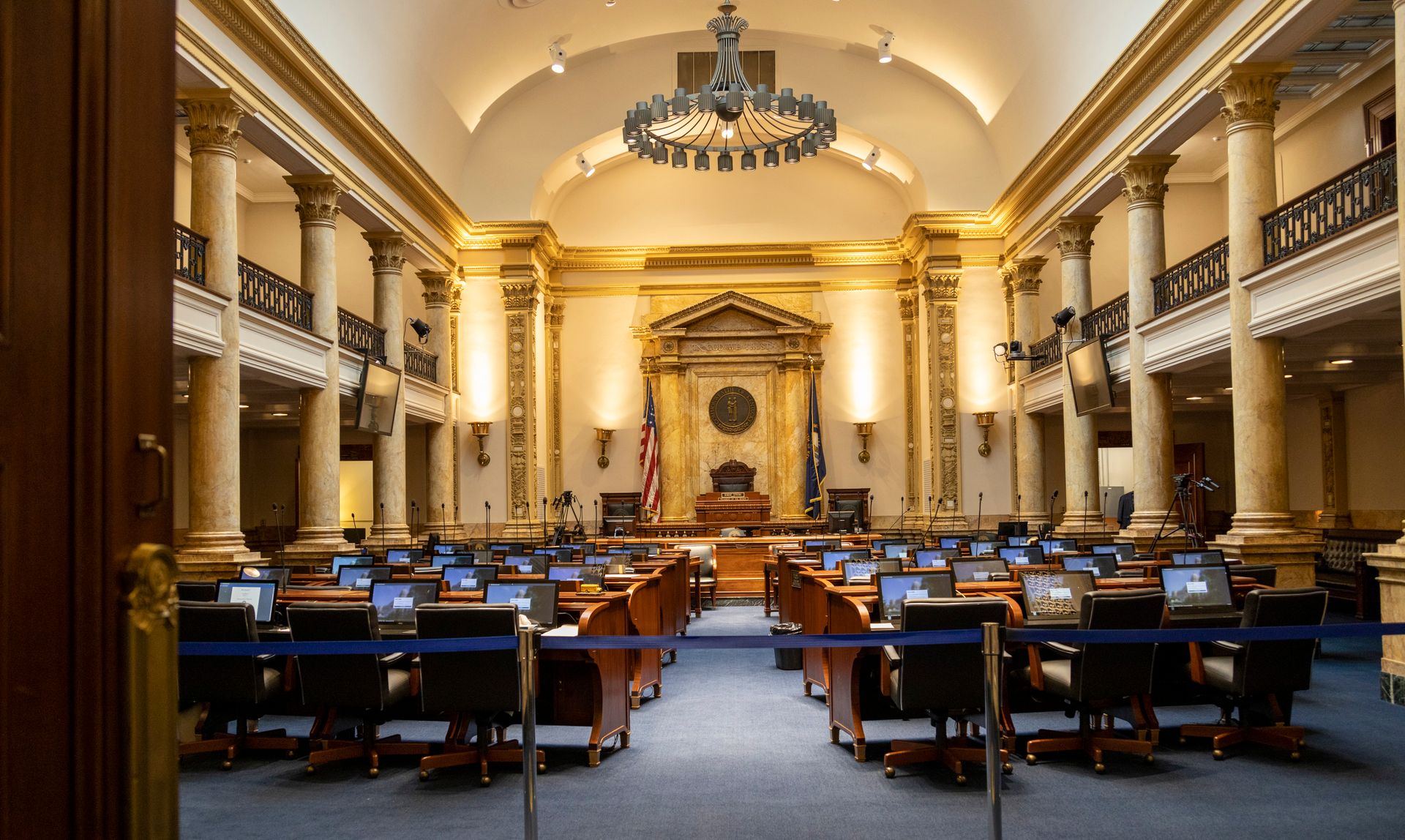
On 26 June 1945, delegates from 50 countries gathered in San Francisco signed the Charter of the United Nations. This document became the founding text of a new global organisation intended to institutionalise international peace and cooperation after the devastation of the Second World War.
The signing ceremony took place at the end of the San Francisco Conference (formally the United Nations Conference on International Organization), which had been under way since 25 April. Throughout the conference, states negotiated for weeks over the structure, powers and principles of the organisation to be created. The Charter was the consensus result of those negotiations.
The idea of the United Nations had taken shape among the Allied powers during the war. The failure of the earlier League of Nations to prevent the Second World War prompted states to design a new organisation with stronger mechanisms. The term "United Nations" itself had first been used during the war years to describe the countries acting together against the Axis powers.
The Charter set out the organisation's core aims clearly: to maintain international peace and security, to develop friendly relations among nations, to promote cooperation in solving economic, social and humanitarian problems, and to encourage respect for human rights. These aims were summed up in the document's preamble with the phrase about saving "succeeding generations from the scourge of war."
The text also defined the organisation's principal bodies. These included the General Assembly, in which all member states are represented; the Security Council, responsible for peace and security; the Economic and Social Council; the International Court of Justice; and the Secretariat, which carries out the organisation's administrative work.
The structure of the Security Council was one of the most debated and most decisive elements of the Charter. The Council's five permanent members — at the time China, France, the Soviet Union, the United Kingdom and the United States — were granted a power of veto over certain decisions. This arrangement was meant to keep the major powers within the organisation, while in later years it would have a significant effect on the Council's decisions.
The Charter was signed on 26 June, but it required the approval of member states to come into force. The document formally entered into force on 24 October 1945, after it had been ratified by all the permanent members and a majority of the other signatory states. For this reason 24 October is now marked as United Nations Day.
Among the signatory countries were the great powers of the day as well as many small and medium-sized states. The organisation has grown its membership significantly since its founding; in particular, with the process of decolonisation in the second half of the 20th century, many newly independent states joined the UN.
Historians regard the United Nations Charter as one of the foundational documents that shaped the international order of the 20th century. While the organisation's effectiveness and limits have been debated in different periods over time, the Charter's attempt to bind relations between states to rules is recognised as an important milestone in the development of modern international law.
Today, although decades have passed since its signing, this text adopted in San Francisco continues to shape much of the framework of global diplomacy. The 26th of June 1945 went down in history as the day the institutional foundations of international cooperation were laid in the post-war world.
Read next

Fannie Bay Gaol: the frontier prison that held Australia's Northern Territory for nearly a century
For nearly a hundred years, Fannie Bay Gaol served as the principal prison of Australia's Northern Territory, holding everyone from cattle rustlers to condemned murderers behind walls built from local stone, timber and corrugated iron. Its gallows carried out the territory's last executions before the prison closed in 1979, leaving behind one of Australia's most complete surviving frontier penal sites.
The Hessians were meant to crush the American Revolution fast. They fought for years instead
Roughly 30,000 German soldiers, widely but inaccurately remembered as mercenaries, fought for the British crown during the American Revolutionary War. Recruited under treaties between Britain and various German principalities, they were meant to help end the rebellion quickly — instead they endured nearly a decade of grinding warfare far from home.

On this day in 1914: the Panama Canal opened, rewriting the map of global trade
On August 15, 1914, the cargo ship SS Ancon made the first official transit of the Panama Canal, completing a decade-long construction project that let ships cross between the Atlantic and Pacific without sailing around South America. The canal remains one of the most consequential engineering projects in modern history.
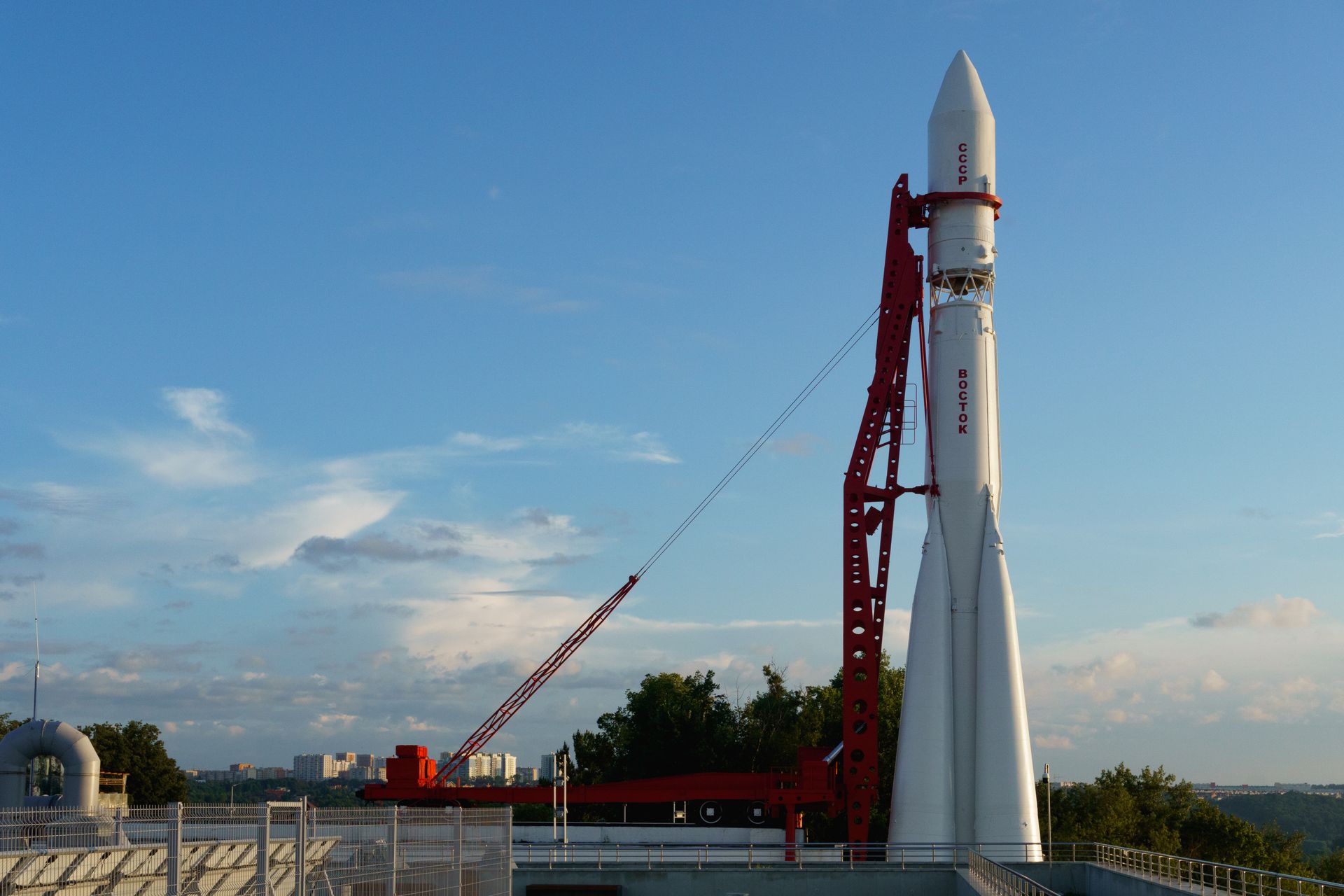
Who was Yuri Gagarin? The story of the first human in space
In 1961, Yuri Gagarin orbited the Earth once aboard the Vostok 1 capsule, becoming the first human being to venture into space. Born to a peasant family, his journey from rural Russia to global icon became one of the defining symbols of the Cold War era.
On this day: the US Social Security Act is signed into law (1935)
On 14 August 1935, President Franklin D. Roosevelt signed the Social Security Act into law amid the Great Depression, establishing a federal system of old-age, unemployment and disability insurance in the United States. The act became one of the most influential blueprints for the modern welfare state worldwide.