The Korean War begins

In the pre-dawn hours of 25 June 1950, artillery and armoured columns of the North Korean People's Army swept south across the 38th parallel, the line that had divided the Korean peninsula since the end of the Second World War. The assault was broad and well-coordinated, and within hours the lightly equipped forces of the Republic of Korea were falling back along the entire front. What began as a clash between two rival Korean governments would, within weeks, draw in the United States, the People's Republic of China and a United Nations coalition, becoming the first large-scale armed confrontation of the Cold War.
The roots of the conflict lay in the peninsula's division five years earlier. After thirty-five years of Japanese colonial rule ended in 1945, Korea was split into Soviet and American occupation zones along the 38th parallel, a line intended as a temporary administrative boundary. As the Cold War hardened, the two zones calcified into rival states: the Democratic People's Republic of Korea in the north, led by Kim Il-sung, and the Republic of Korea in the south, under Syngman Rhee. Both leaders claimed authority over the whole peninsula, and border skirmishes were frequent in the months before the invasion.
The initial offensive was swift. Seoul, the southern capital, fell on 28 June, and South Korean and arriving American units were driven steadily down the peninsula. By August the defenders held only a small rectangle of territory in the south-east around the port of Busan. The Busan Perimeter, as it became known, was held through fierce summer fighting while reinforcements and supplies flowed in by sea, buying the time that would prove decisive.
The international response was rapid. With the Soviet delegate absent — boycotting the body over its refusal to seat the People's Republic of China — the United Nations Security Council passed resolutions condemning the invasion and authorising member states to assist South Korea. A United Nations Command was established under American leadership, and sixteen nations ultimately contributed combat forces, with many more sending medical and material support. It was the first time the UN had sanctioned a collective military response to an act of aggression.
In September 1950, the UN commander, General Douglas MacArthur, launched a bold amphibious landing far behind the front lines at Incheon, near Seoul. Executed against difficult tides, the operation cut the overextended North Korean supply lines and forced a rapid collapse of their southern offensive. Seoul was retaken, and UN forces pushed north across the 38th parallel toward the Yalu River on the Chinese border, raising the prospect of a unified, non-communist Korea.
That advance prompted a decisive intervention. Warning that it would not tolerate hostile forces on its frontier, the People's Republic of China sent hundreds of thousands of troops — officially designated the Chinese People's Volunteer Army — across the Yalu in late 1950. The massed Chinese offensives caught UN forces by surprise and drove them back in some of the harshest winter fighting of the war. Seoul changed hands for a third time before the front could be stabilised.
By the middle of 1951 the war had settled into a grinding stalemate roughly along the original dividing line. The fluid campaigns of the first year gave way to static, attritional warfare fought from entrenched positions across a fortified front — battles for ridgelines and hills that historians often compare to the trench warfare of the First World War. Neither side could achieve a decisive breakthrough, and the human cost mounted with little change on the map.
Armistice negotiations opened in July 1951, first at Kaesong and later at Panmunjom, but they dragged on for two years even as the fighting continued. The most intractable issue was the repatriation of prisoners of war: the UN command insisted that captured soldiers not be forcibly returned against their will, a principle the communist side initially rejected. An armistice agreement was finally signed on 27 July 1953.
The toll was immense. Estimates of total deaths range from roughly three to four million, the majority of them civilians, and much of the peninsula's industry, housing and infrastructure lay in ruins. Millions were displaced, and countless families were separated by the front — a wound that endures in both Koreas to this day. The armistice halted the fighting but was never followed by a formal peace treaty, leaving the two states technically still at war.
The war's consequences reached far beyond Korea. It hardened the division of the peninsula, entrenched the Cold War in East Asia, and cemented a lasting American military presence in the region. The Demilitarised Zone established along the ceasefire line remains one of the most heavily fortified borders on Earth, and the unresolved questions of 1953 continue to shape the politics of the peninsula. More than seventy years later, the conflict that began before dawn on 25 June 1950 has still not formally ended.
Read next

Fannie Bay Gaol: the frontier prison that held Australia's Northern Territory for nearly a century
For nearly a hundred years, Fannie Bay Gaol served as the principal prison of Australia's Northern Territory, holding everyone from cattle rustlers to condemned murderers behind walls built from local stone, timber and corrugated iron. Its gallows carried out the territory's last executions before the prison closed in 1979, leaving behind one of Australia's most complete surviving frontier penal sites.
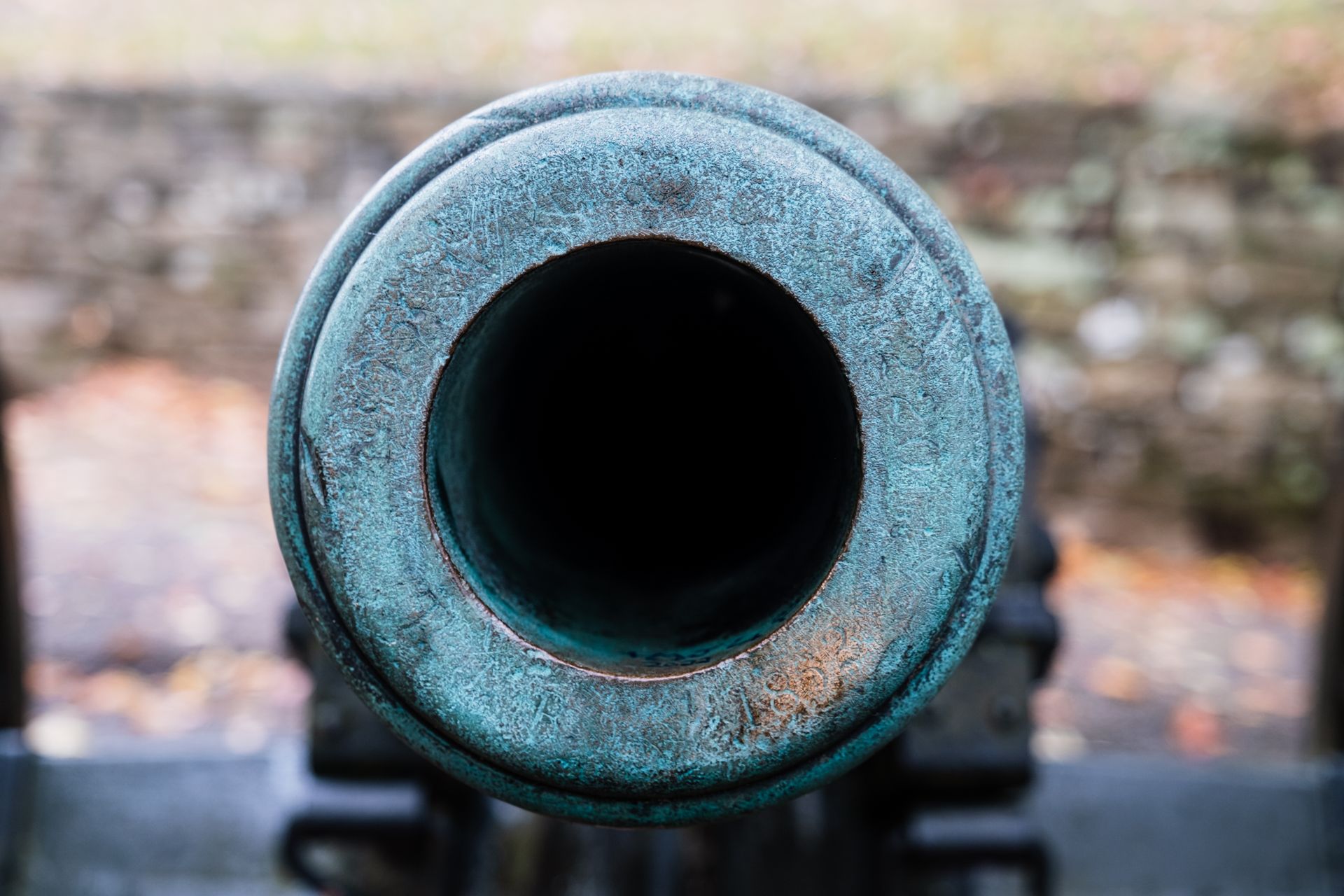
The Hessians were meant to crush the American Revolution fast. They fought for years instead
Roughly 30,000 German soldiers, widely but inaccurately remembered as mercenaries, fought for the British crown during the American Revolutionary War. Recruited under treaties between Britain and various German principalities, they were meant to help end the rebellion quickly — instead they endured nearly a decade of grinding warfare far from home.

On this day in 1914: the Panama Canal opened, rewriting the map of global trade
On August 15, 1914, the cargo ship SS Ancon made the first official transit of the Panama Canal, completing a decade-long construction project that let ships cross between the Atlantic and Pacific without sailing around South America. The canal remains one of the most consequential engineering projects in modern history.
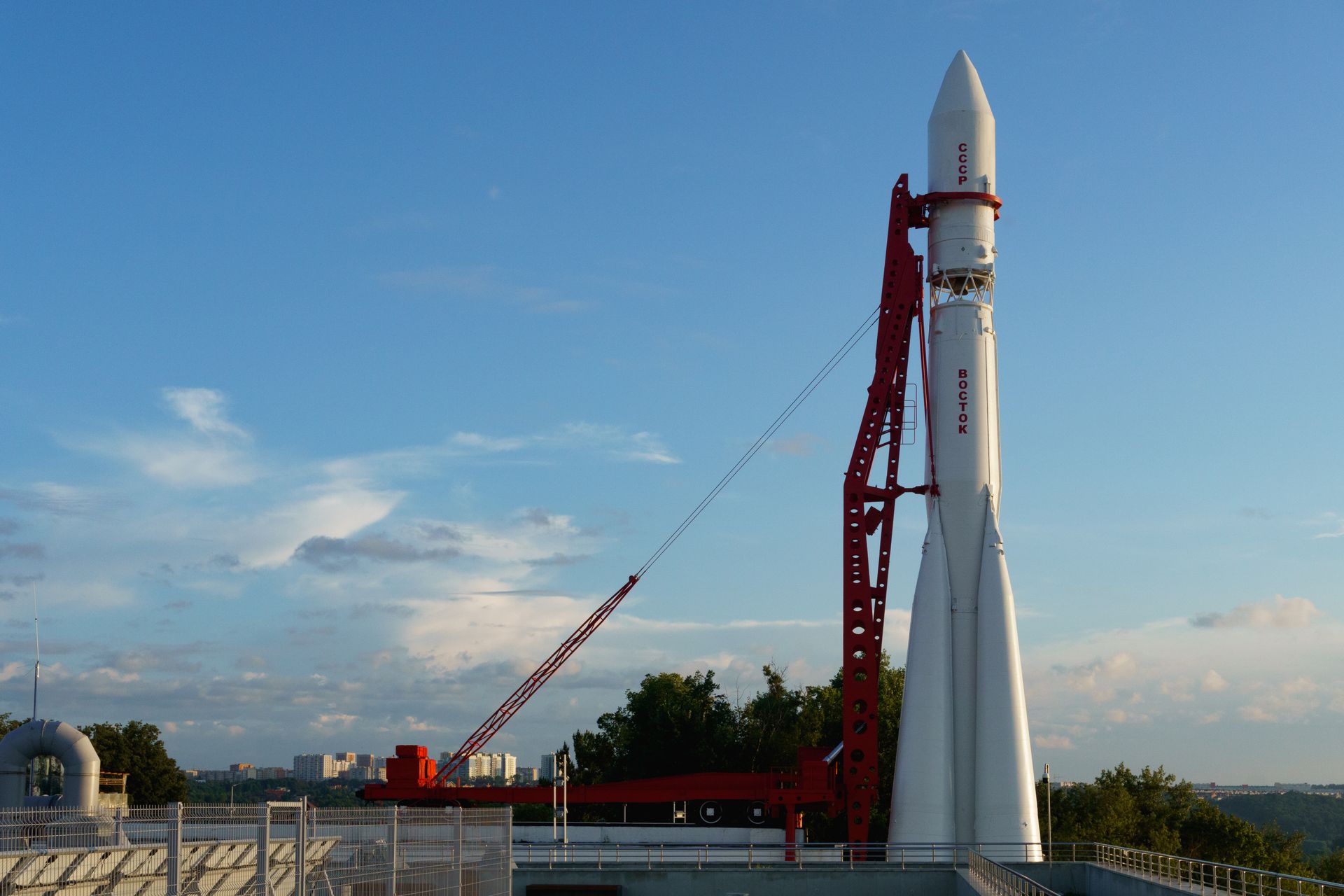
Who was Yuri Gagarin? The story of the first human in space
In 1961, Yuri Gagarin orbited the Earth once aboard the Vostok 1 capsule, becoming the first human being to venture into space. Born to a peasant family, his journey from rural Russia to global icon became one of the defining symbols of the Cold War era.
On this day: the US Social Security Act is signed into law (1935)
On 14 August 1935, President Franklin D. Roosevelt signed the Social Security Act into law amid the Great Depression, establishing a federal system of old-age, unemployment and disability insurance in the United States. The act became one of the most influential blueprints for the modern welfare state worldwide.