On this day in 1908: the Tunguska event flattens a Siberian forest
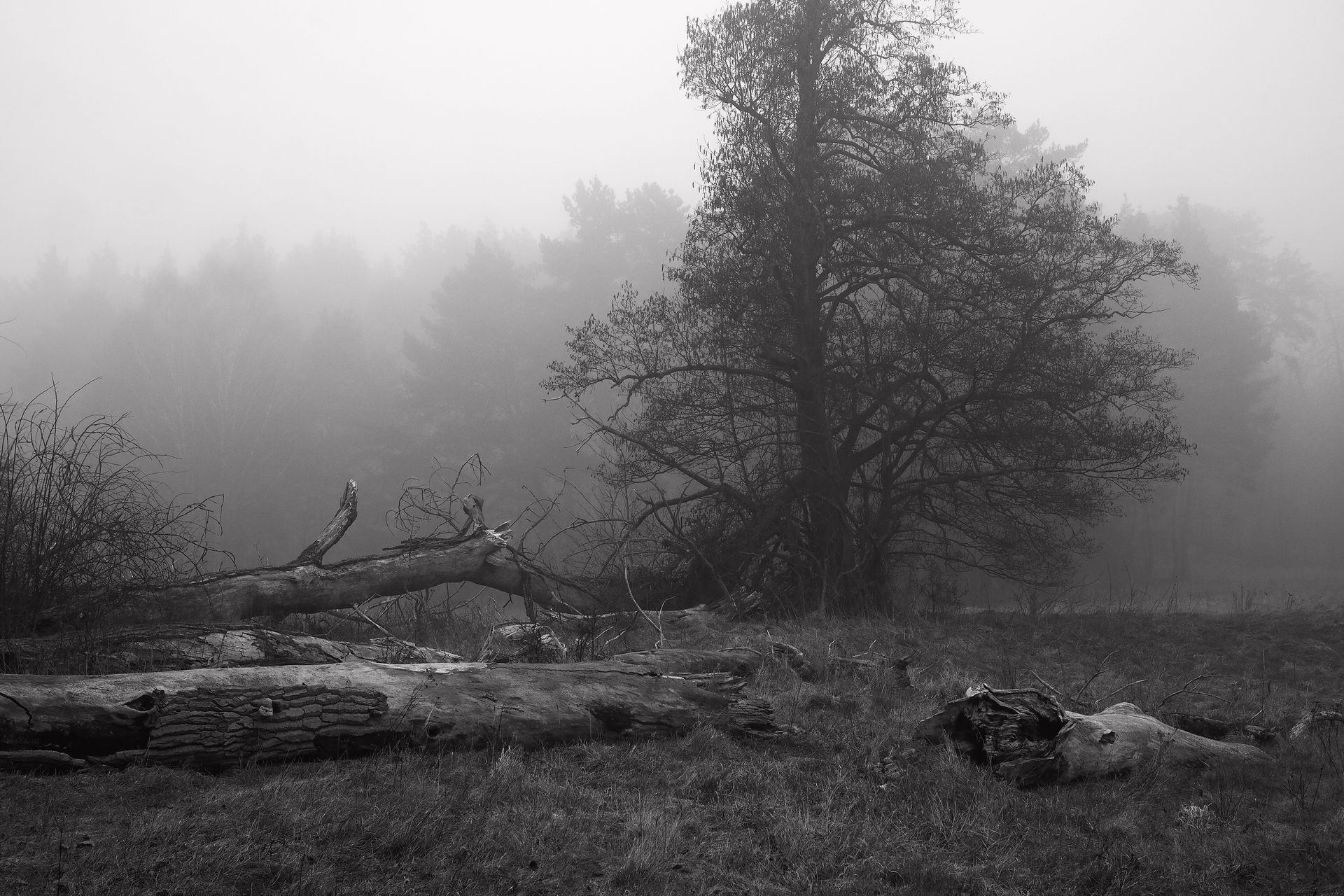
Early on the morning of 30 June 1908, in the remote Siberian taiga near the Podkamennaya Tunguska River, the sky tore open. A column of blue-white light, described by witnesses as brighter than the sun, crossed the heavens, followed by a flash and a shockwave that knocked people off their feet hundreds of kilometres away. By the time it was over, an estimated 80 million trees had been flattened across more than 2,000 square kilometres of forest.
The scale of the blast was extraordinary. The energy released is generally estimated by scientists at the equivalent of many megatons of TNT, hundreds of times the force of the bomb later dropped on Hiroshima. Seismographs registered the disturbance, and atmospheric effects, including unusually bright night skies, were noted across Europe in the days that followed.
Yet for years almost no one investigated. The region was so remote, and Russia so consumed by war and revolution in the following decade, that the first serious scientific expedition did not reach the area until 1927, nearly two decades later, led by the mineralogist Leonid Kulik.
What Kulik found was strange. Across a vast area, trees lay on the ground in a radial pattern, their trunks pointing outward from a central zone, as if blown over by a blast from above. Near the centre, some trees remained standing but stripped of their branches and bark. Crucially, Kulik found no impact crater, which deepened rather than resolved the mystery.
The absence of a crater is the key to the most widely accepted explanation. According to the scientific consensus reflected on Wikipedia, the Tunguska event was most likely an airburst, the explosion of an asteroid or comet fragment several kilometres above the ground. Entering the atmosphere at enormous speed, the object would have heated and disintegrated in mid-air, releasing its energy as a blast wave rather than striking the surface intact.
This explanation accounts for the pattern of devastation. An explosion high in the atmosphere would flatten trees over a wide area while leaving no single crater, and the trees directly beneath the blast, struck from straight above, would lose their branches but remain upright. The radial flattening fans out exactly as a downward and outward shockwave would predict.
Debate has continued over the details, particularly whether the object was a stony asteroid or a fragment of comet, which differ in composition and behaviour. The lack of large recovered fragments has complicated the question, though microscopic particles found in the region have been studied as possible traces. The broad airburst interpretation, however, commands wide agreement.
The Tunguska event endures as more than a historical curiosity because of what it implies. It demonstrated that an object need not reach the ground to cause catastrophic damage, and that an airburst over a populated area could be devastating. Had the same event occurred over a city rather than empty taiga, the loss of life would have been immense, a point that has shaped modern thinking about planetary defence.
That awareness has practical consequences today. Astronomers now systematically survey the skies for near-Earth objects, cataloguing asteroids whose orbits bring them close to the planet, precisely so that a future Tunguska-scale event might be anticipated. The date itself is marked internationally as Asteroid Day, chosen to raise awareness of the impact hazard.
More than a century later, the Tunguska event remains the largest impact event in recorded history and a vivid reminder of forces that operate on a cosmic scale. A quiet stretch of Siberian forest, levelled in seconds on a June morning, still stands as one of the clearest warnings of what the sky can occasionally deliver.
Read next

Fannie Bay Gaol: the frontier prison that held Australia's Northern Territory for nearly a century
For nearly a hundred years, Fannie Bay Gaol served as the principal prison of Australia's Northern Territory, holding everyone from cattle rustlers to condemned murderers behind walls built from local stone, timber and corrugated iron. Its gallows carried out the territory's last executions before the prison closed in 1979, leaving behind one of Australia's most complete surviving frontier penal sites.

The Hessians were meant to crush the American Revolution fast. They fought for years instead
Roughly 30,000 German soldiers, widely but inaccurately remembered as mercenaries, fought for the British crown during the American Revolutionary War. Recruited under treaties between Britain and various German principalities, they were meant to help end the rebellion quickly — instead they endured nearly a decade of grinding warfare far from home.

On this day in 1914: the Panama Canal opened, rewriting the map of global trade
On August 15, 1914, the cargo ship SS Ancon made the first official transit of the Panama Canal, completing a decade-long construction project that let ships cross between the Atlantic and Pacific without sailing around South America. The canal remains one of the most consequential engineering projects in modern history.
Who was Yuri Gagarin? The story of the first human in space
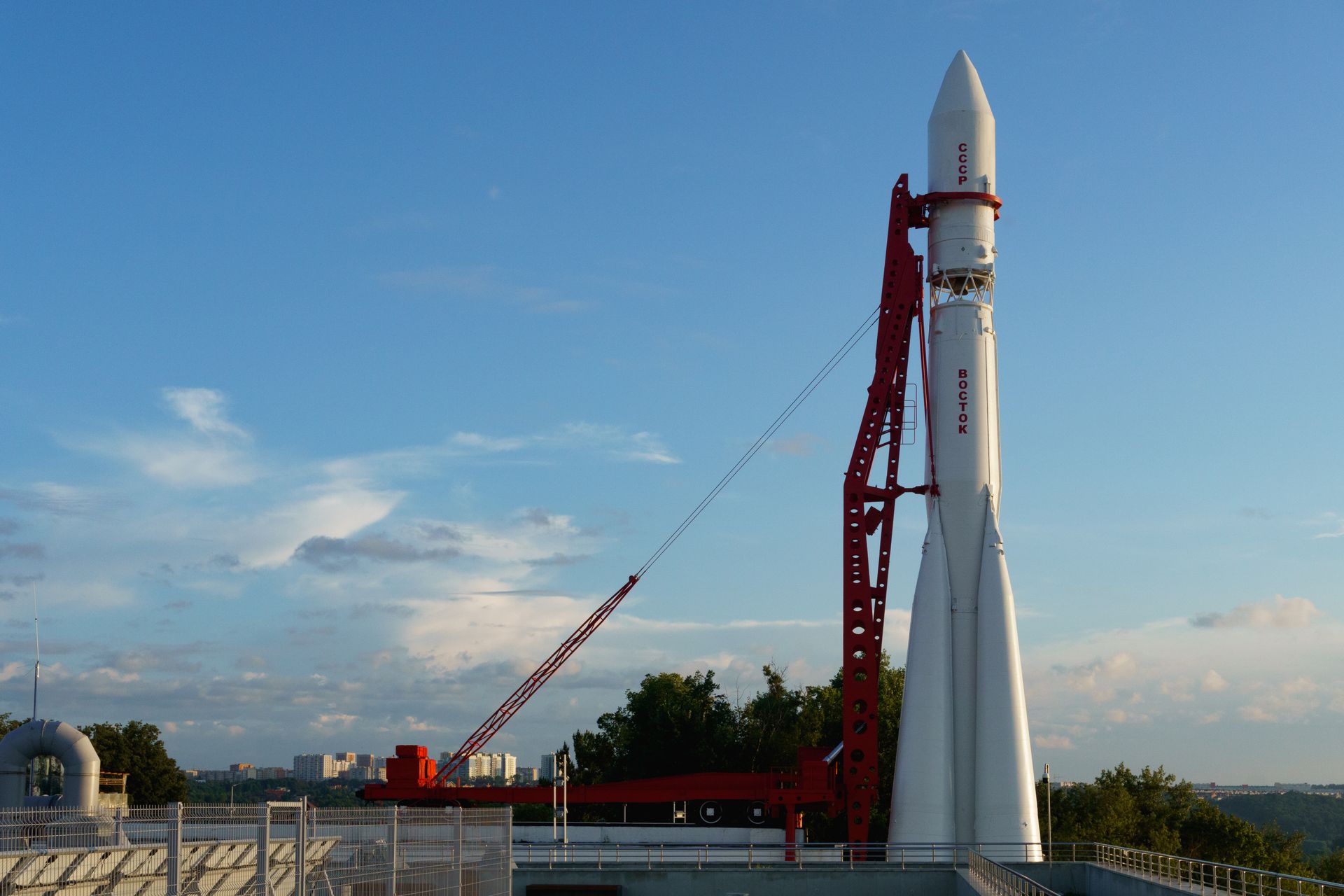
In 1961, Yuri Gagarin orbited the Earth once aboard the Vostok 1 capsule, becoming the first human being to venture into space. Born to a peasant family, his journey from rural Russia to global icon became one of the defining symbols of the Cold War era.
On this day: the US Social Security Act is signed into law (1935)
On 14 August 1935, President Franklin D. Roosevelt signed the Social Security Act into law amid the Great Depression, establishing a federal system of old-age, unemployment and disability insurance in the United States. The act became one of the most influential blueprints for the modern welfare state worldwide.