On this day, 3 July 1938: Mallard sets the steam speed record still unbeaten
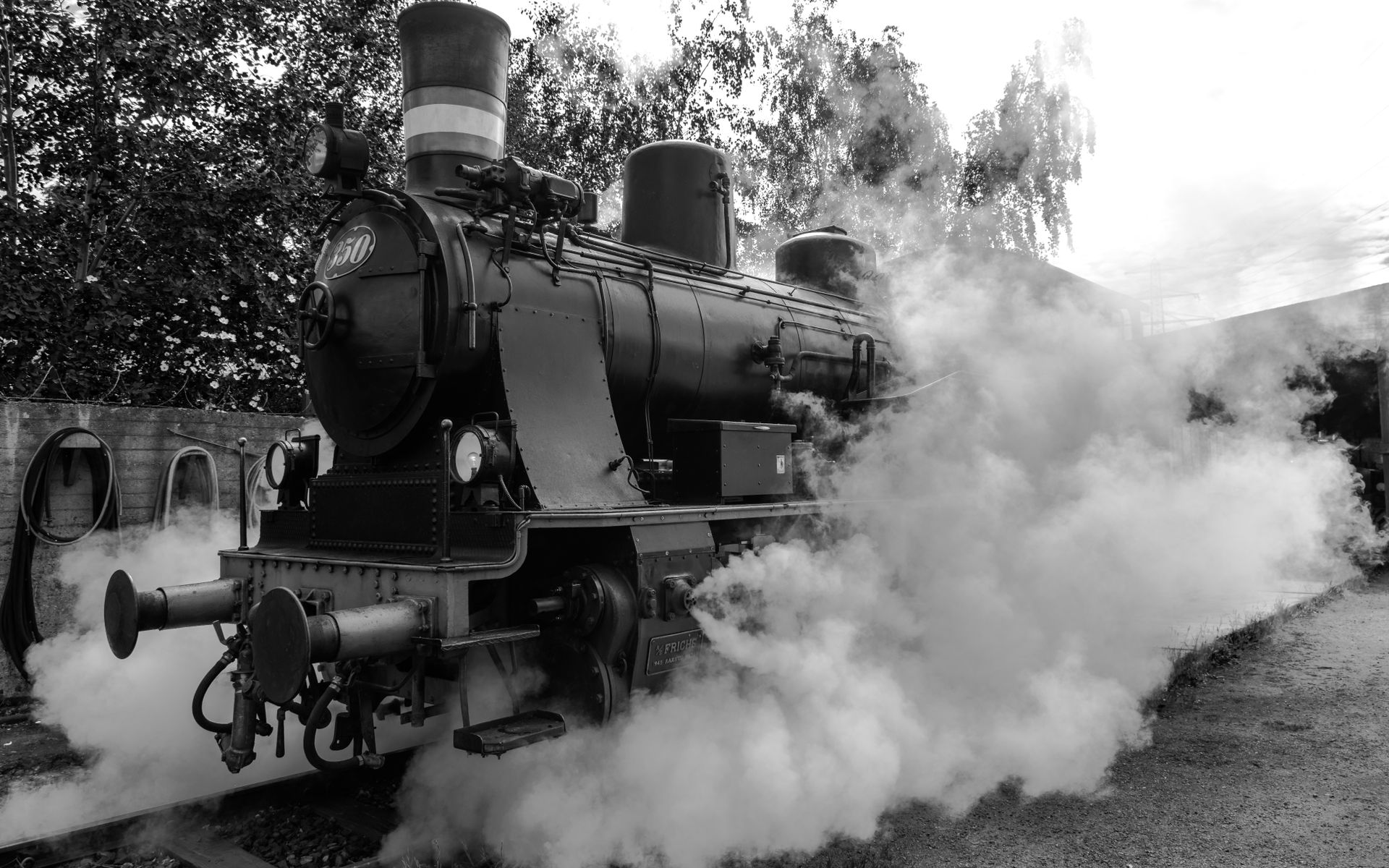
On 3 July 1938, a streamlined blue steam locomotive named Mallard hurtled down a gentle descent on the East Coast Main Line in England and, for a few seconds, reached a speed of 126 miles per hour. That figure, recorded on a summer afternoon south of Grantham, set a world speed record for steam locomotives that has stood ever since, unbroken to this day.
Mallard was one of a class of locomotives known as the A4, designed by the engineer Sir Nigel Gresley for the London and North Eastern Railway. The A4s were distinguished by their sleek, wind-cheating casings, a departure from the boxy engines of earlier decades. The streamlined shape was not merely stylish; it reduced air resistance at high speed, an advantage Gresley and his team pursued deliberately.
The record run took place during a period of intense competition between railway companies in Britain and on the European continent, each eager to prove its engines the fastest and most modern. In Germany, streamlined locomotives had posted impressive speeds, and British railways were determined to answer. The rivalry pushed engineers to refine boilers, valves and aerodynamics in pursuit of ever-higher velocities.
The attempt itself was carefully arranged. Mallard was sent down Stoke Bank, a long descending gradient that helped the locomotive build speed, hauling a small set of carriages that included a dynamometer car — a special vehicle fitted with instruments to measure and record the train's exact speed and the forces involved. The presence of that car is why the achievement could be documented so precisely.
Accounts of the run describe the locomotive reaching its peak of 126 miles per hour before the crew eased off, and the effort took a mechanical toll: the middle big-end bearing overheated, and Mallard had to be taken off the train shortly afterwards for repairs. The record, however, was secure, a testament to how close the machine had been driven to its limits.
What makes the record remarkable is its endurance. Steam traction was already approaching the ceiling of what the technology could achieve, and within a generation railways around the world would turn to diesel and electric power, which offered greater efficiency and reliability. No steam locomotive has since been built and run in conditions that would allow the mark to be seriously challenged, so Mallard's number has become a permanent entry in the record books.
The locomotive's designer, Nigel Gresley, is remembered as one of the most accomplished figures in British locomotive engineering, and the A4 class as among the most celebrated steam designs ever produced. Gresley did not live to see the full twilight of steam; he died a few years later, but the machines he shaped carried his reputation well beyond his lifetime.
Mallard itself survived the transition away from steam and was preserved rather than scrapped. Today it is part of the national collection and can be seen by the public, its record-setting run commemorated as a landmark in transport history. The locomotive has been the subject of anniversaries, exhibitions and reunions of the surviving A4 class members over the years.
The story resonates beyond railway enthusiasts because it captures a particular moment in industrial history: the peak of a mature technology just before it was overtaken. Mallard represents the culmination of more than a century of steam development, achieved at the very edge of what coal, water and precision engineering could deliver on rails.
More than eight decades on, the record still stands, and the figure of 126 miles per hour remains a benchmark cited whenever the golden age of steam is discussed. For a machine built to burn coal and boil water, Mallard's brief dash down Stoke Bank on a July afternoon secured a place in history that faster, more modern trains have never taken away.
Read next

Britain's muskrat empire: how an escaped fur animal became a pest
In the 1920s, Britain tried to build a fur industry by farming North American muskrats — until the animals escaped and spread. This history traces how the muskrat boom collapsed into a costly eradication campaign, and what it reveals about invasive species and human ambition.

How the Anglo-Saxons took hold in Britain, and what Rome had to do with it
How did the Anglo-Saxons come to dominate England after Roman rule ended? This explainer examines the historians' debate over migration, assimilation and the power vacuum left by Rome's withdrawal, and why the collapse of Roman Britain helped shape what followed.
A history of the English alphabet: how 26 letters took shape
The 26 letters of the English alphabet carry a history stretching back thousands of years, from ancient Near Eastern scripts to Roman letterforms and lost medieval characters. Here is how the alphabet English speakers use every day came to look the way it does.
The Battle of Little Bighorn: why Custer's Last Stand still mystifies historians
A century and a half after the Battle of Little Bighorn, the 1876 clash in which Lieutenant Colonel George Custer and his men were defeated by a coalition of Native nations, historians still debate exactly what happened. Here is what the record shows and why questions remain.

On this day, 2 July 1937: Amelia Earhart vanishes over the Pacific
On 2 July 1937, the pioneering American aviator Amelia Earhart disappeared over the central Pacific during an attempt to fly around the world. Her fate remains one of aviation's most enduring mysteries, and her legacy shaped the place of women in flight.