Norway's 'Viking row' chant: the real Viking history behind it

Norway's run at this year's World Cup has produced an unlikely cultural export: the "Viking row," a synchronised chant in which supporters mimic the rowing motion of longship crews while singing in time, arms pulling back and forth in unison across entire stadium stands. Broadcasters and rival fans alike have been charmed by the spectacle, and the chant has become one of the tournament's recurring visual signatures. But historians say the real history behind Viking rowing chants is considerably stranger, and older, than the stadium version lets on.
Rowing was, for Viking Age sailors, an enormously demanding physical task that could last for hours or days at a stretch, particularly when winds failed or a longship needed to manoeuvre precisely along a coastline or up a river. Coordinating dozens of rowers pulling in unison was not optional; a crew rowing out of sync wasted energy and risked damaging oars or the vessel's structural integrity, making some form of rhythmic coordination a practical necessity rather than a mere tradition.
Historians and archaeologists working from the limited written and archaeological evidence available believe Viking sailors likely used rhythmic chants, work songs, or simple vocalised counts to keep rowers synchronised, a practice common to seafaring cultures across history and geography, from Mediterranean galley crews to later naval traditions, wherever coordinated human-powered rowing was required over sustained periods.
Direct textual evidence specifically describing Viking rowing chants is thin, since the era's oral culture left few written records behind, and most surviving Norse literary sources, including the sagas, were composed and written down generations after the events they describe, often mixing historical memory with later literary embellishment. What evidence does exist suggests these work chants, where they existed, were unlikely to be the solemn, martial affairs sometimes imagined in modern popular culture.
Norse cultural sources more broadly depict a seafaring culture with a robust appetite for coarse humour, boasting, insult contests and bawdy verse, genres well attested in surviving Norse poetry and saga literature even where rowing chants specifically are not recorded in detail. Historians studying the broader oral culture of the period suggest that any rhythmic work chants used during long rowing stints were plausibly closer in tone to these earthy traditions than to the more solemn, dignified image often projected onto Viking culture in later romanticised retellings.
That gap between the popular, often ceremonial image of Viking culture and its messier, more irreverent lived reality is a recurring theme in how historians now approach the period. Much of the modern popular conception of Vikings, solemn warrior-poets bound by rigid codes of honour, owes more to 19th-century Romantic nationalism and later popular culture than to the fragmentary and often more mundane picture that written sources and archaeology actually support.
The Norway football team's chant, in that light, represents an interesting piece of modern invented tradition built loosely on historical association rather than direct reconstruction. There is no specific historical record of Viking Age sailors performing anything identical to the stadium chant fans perform today; the connection is thematic and symbolic, drawing on Norway's Viking Age heritage as a source of national identity and football pageantry rather than reviving a documented historical practice.
That does not make the chant historically meaningless, historians note. Modern nations regularly draw on selectively remembered and reimagined versions of their deep past to build shared cultural symbols, and football stadiums have long served as venues for exactly this kind of identity performance, whether through national anthems, regional chants or, in Norway's case, a stylised nod to a seafaring heritage that remains central to how the country understands its own history.
What makes the Viking row chant an unusually apt piece of invented tradition, according to historians who study Viking Age maritime culture, is that it echoes a genuine underlying truth even without direct documentary support: coordinated group effort really was essential to Viking seafaring, and rhythmic vocalisation really was, in some form, likely part of how crews managed the physically gruelling work of rowing a longship across open water.
Whether or not any Viking crew ever sang anything resembling the stadium chant fans have adopted this tournament, the spectacle has succeeded in doing something historians say popular history often does best: turning a genuine, if underdocumented, historical practice into a living, felt connection between the past and the present, even if the precise details remain, and likely always will remain, lost to history.
Read next
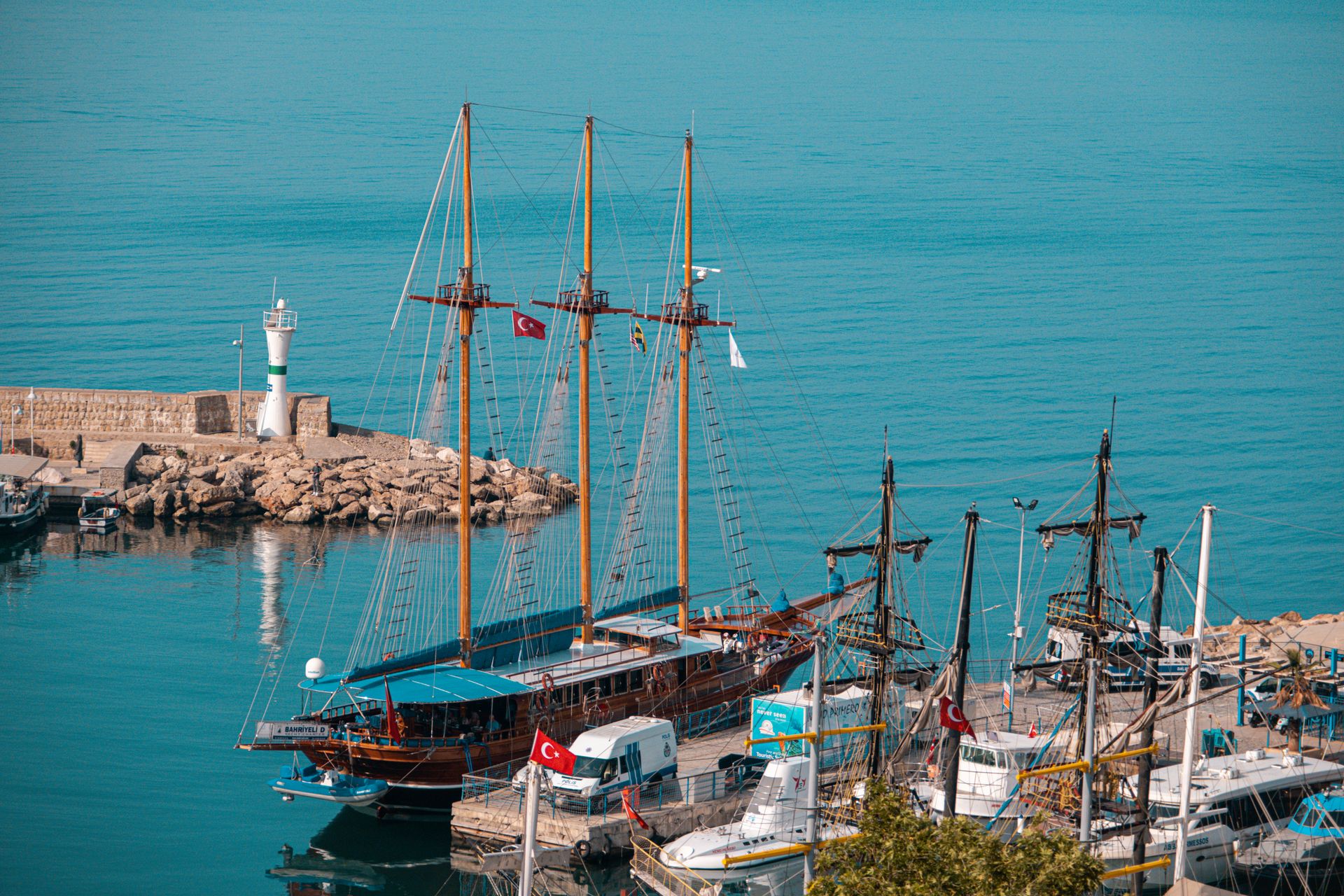
How unemployed fishermen helped win the American Revolution
When Britain cut off New England's fishing grounds to punish rebellious colonists, it created an army of angry, idle mariners with nothing left to lose. Historians say that decision backfired, funnelling experienced seamen directly into the patriot cause and its fledgling navy.

On this day, 14 July 1789: the storming of the Bastille
On 14 July 1789, Parisian crowds stormed the Bastille fortress in search of gunpowder, in an act that became the symbolic opening of the French Revolution. The date is now commemorated annually in France as Bastille Day, marking the collapse of royal absolutism and the rise of popular sovereignty.
Ella Baker: the quiet civil rights leader who empowered others to lead
Ella Baker was one of the American civil rights movement's most influential yet least-recognised figures. Rather than putting herself in the spotlight, she built a career on empowering ordinary people to lead, shaping the success of organisations from the NAACP to the SNCC.
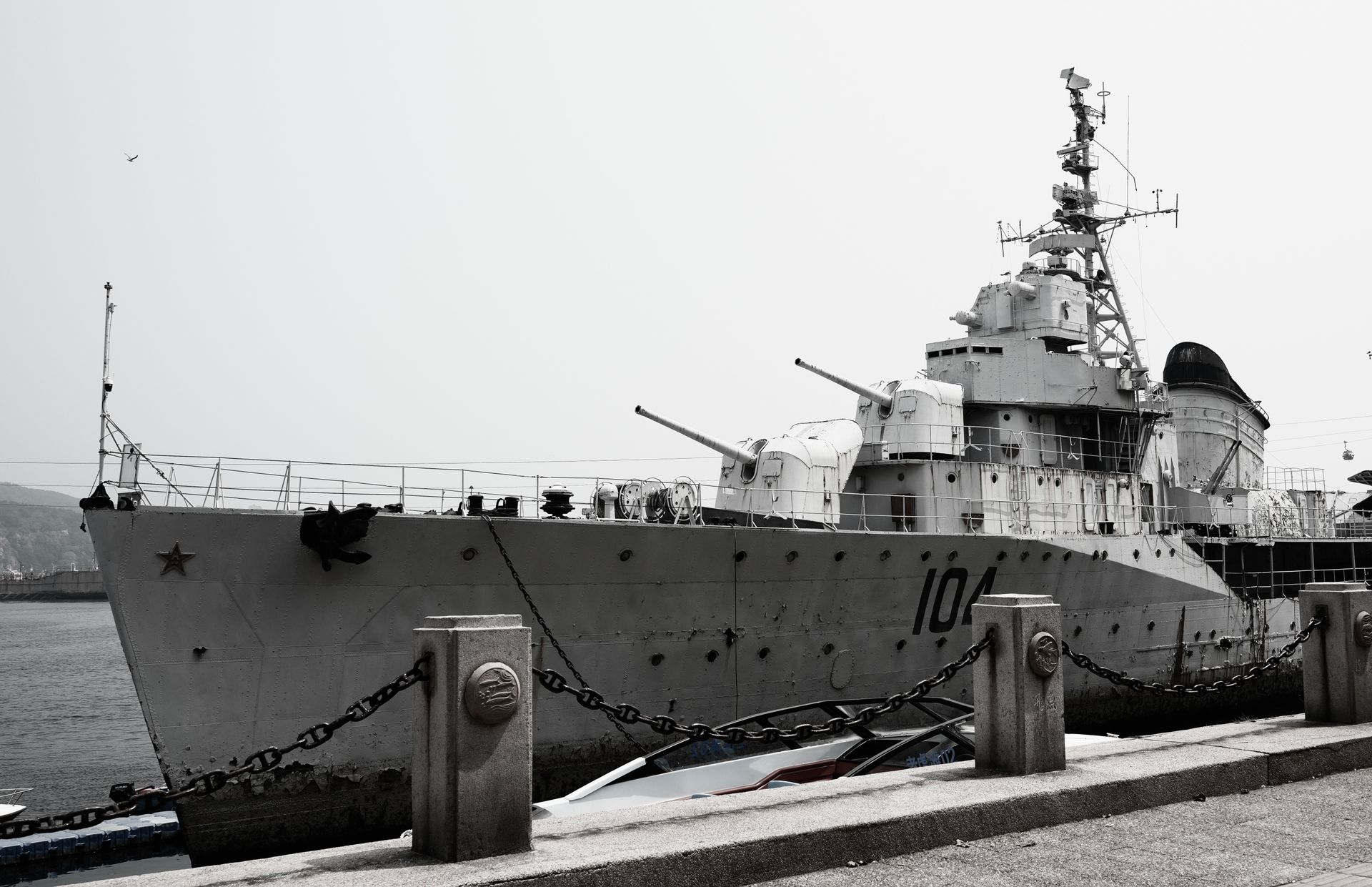
Why Churchill's order to attack the French fleet in 1940 may have shaped WWII
In July 1940, the Royal Navy attacked a French fleet at Mers-el-Kébir off the coast of Algeria, killing more than 1,200 sailors. Historians examine how this painful decision, one that reportedly moved Winston Churchill to tears, may have shaped the course of the war.

On this day: the first FIFA World Cup kicks off in Uruguay
On 13 July 1930, the opening matches of the first FIFA World Cup were played in Uruguay, launching what would become the world's most-watched sporting event. The tournament began modestly, with just 13 teams — a far cry from the scale of the World Cup unfolding today.