From Churchill's great rival to Peter Mandelson: a history of British ambassadors to the US
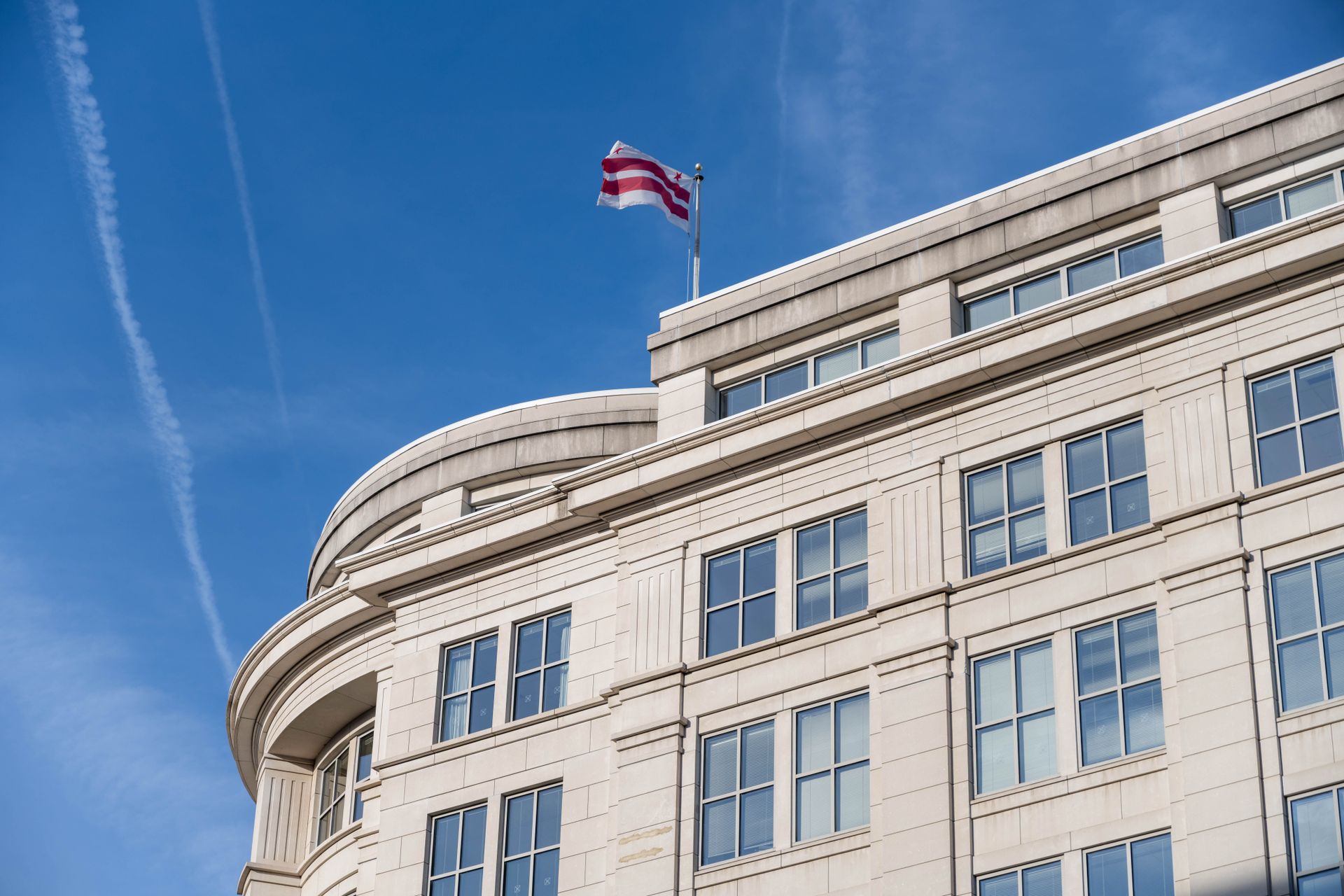
The British Embassy in Washington occupies a particular place in the diplomatic world. The custodianship of an apparent two-century-long 'special relationship' through that posting being filled by political appointees has been a recurring debate in Whitehall for decades.
In an in-depth HistoryExtra essay, former United Kingdom national security adviser and Paris ambassador Lord Peter Ricketts puts three different 'political appointee' ambassadors under the microscope. Ricketts's piece was prompted by the recent characterisation of Peter Mandelson's 2024 appointment as 'an embarrassing misstep' for the British government.
The first figure Ricketts examines is Winston Churchill's great rival for the 1940 British premiership, foreign secretary Edward Wood. Wood was sent as ambassador to Washington in December 1941 as Lord Halifax. Ricketts describes the appointment as 'one of the smartest moves Churchill ever made in moving a rival out of London with foreign-policy consequences'.
Halifax initially maintained a distant relationship with his American hosts; in particular his patrician manner was viewed by American public opinion as 'cold'. After the first year, however, Ricketts writes, the ambassador learnt the Washington idiom with 'remarkable facility' and became one of the central architects of Anglo-American wartime cooperation after Pearl Harbour.
The second figure is John Freeman, the former Tory minister who held the Washington posting from 1969 to 1971. Freeman was known at the time of his appointment as a journalist and television broadcaster. According to Ricketts, Freeman's ability to forge 'open and intelligible communication' with the Nixon administration meant the tenure was judged a success.
David Trend was a career diplomat sent to Washington after George Brown's resignation in 1974. Ricketts's notes present this appointment as 'a symbol of the return from political appointees to the professional diplomatic tradition'. Trend's tenure coincided with a decade in which the technical complexity of diplomacy had grown since the Suez crisis.
When Ricketts turns to the 2024 appointment of Peter Mandelson, he proposes 'three preconditions of success' for political appointees. These are: trusted personal networks in Washington; a working understanding of US domestic politics; and a direct communication line to the prime minister back in London.
The essay positions Mandelson as 'strong on the first two criteria and uncertain on the third' on those measures. Ricketts argues that the public airing of 'a story of tension' between the prime minister, Sir Keir Starmer, and Mandelson has reduced the immediate effectiveness of the appointment.
Professor Andrew Roberts of the Royal Historical Society told HistoryExtra that 'the success or failure of political appointee ambassadors is closely tied to the domestic political strength of the prime minister who appoints them'. According to Roberts, Halifax's success was tied to Churchill's undisputed cabinet control.
Ricketts closes the essay with a piece of advice: 'For beginners, the Washington school of diplomacy remains one of the toughest in the world. Whether you are a political appointee or a professional diplomat, what matters is the capacity to listen and to adapt.' This essay is presented as historical analysis and is not advice for contemporary politics.