On this day: the 1799 discovery of the Rosetta Stone that unlocked hieroglyphs
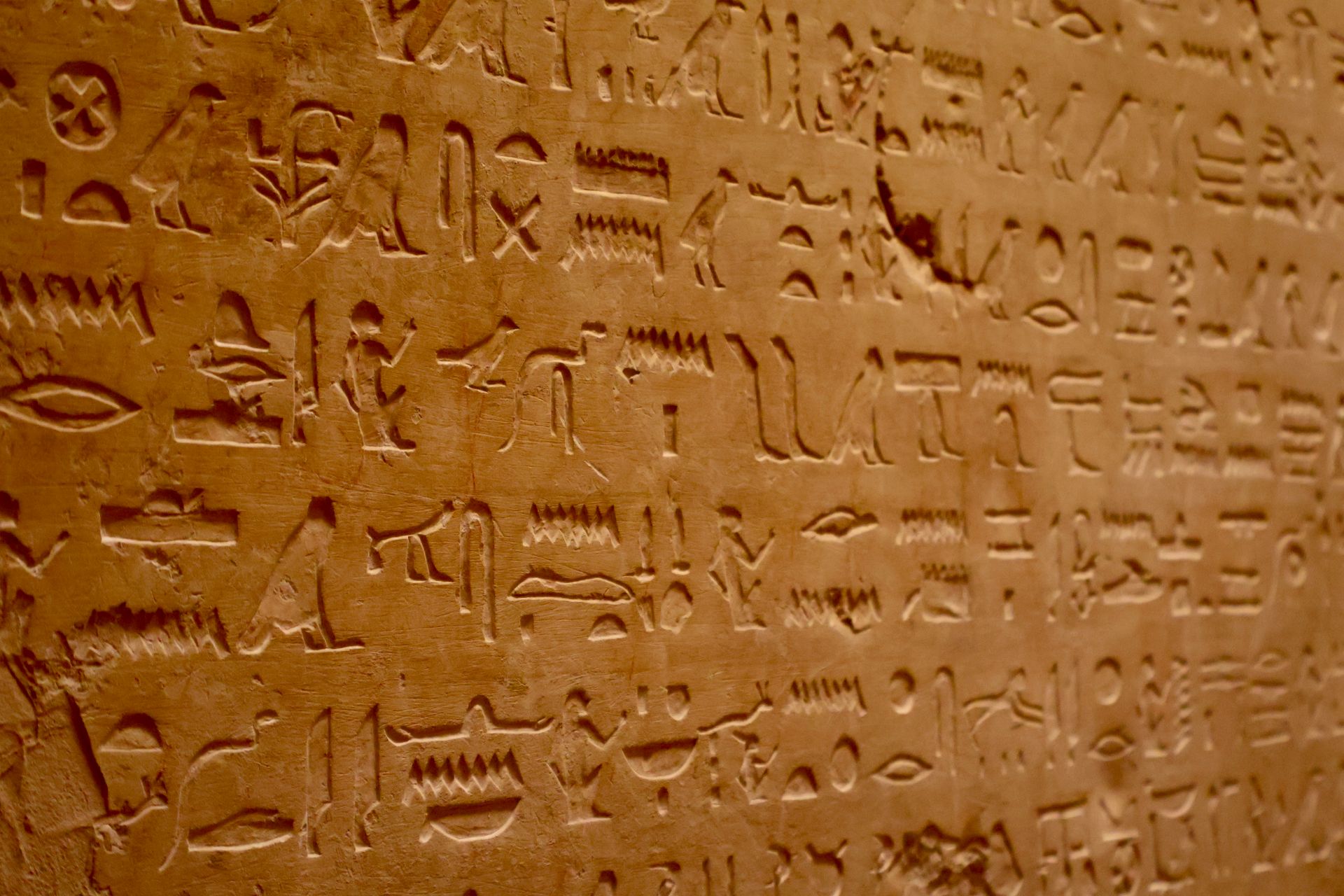
On 15 July 1799, French soldiers stationed in Egypt as part of Napoleon Bonaparte's campaign were repairing an old fort near the Nile Delta town of Rosetta when they unearthed a dark, broken slab of stone from the ground. No one realized at the time that this unassuming find would go on to crack one of history's most enduring puzzles.
The stone's surface carried three separate blocks of text: ancient Egyptian hieroglyphs at the top, Demotic — the everyday Egyptian script of the era — in the middle, and Ancient Greek at the bottom. That threefold arrangement suggested the stone recorded a single message written in three different scripts.
The inscription turned out to be a priestly decree issued in 196 BC in honor of the reigning pharaoh, Ptolemy V. Its content was largely administrative and religious in nature, but the stone's real significance lay not in what it said, but in the fact that it said the same thing in three languages at once.
Ancient Egyptian hieroglyphs had fallen out of use by the late 4th century AD, and by the time the stone was found, no one alive still knew how to read them. For centuries, scholars had puzzled over the mysterious symbols carved into temple walls and monuments, without ever cracking the code.
The stone's discovery handed researchers a rare opportunity: comparing the hieroglyphic text against the same message rendered in Ancient Greek, a language scholars could already read. That gave them a reference point from which to begin decoding the hieroglyphic script.
Following the French army's defeat in Egypt, the stone passed into British hands under a treaty signed in 1801, and it has been on display at the British Museum in London ever since. Whether the stone should be returned to Egypt remains a subject of ongoing debate today.
Fully deciphering the text took years after the stone's discovery. French linguist Jean-François Champollion completed the breakthrough in 1822, proving that hieroglyphs were not purely symbolic but also included a phonetic system representing spoken sounds.
Champollion's success drew heavily on his knowledge of the Coptic language and his analysis of recurring patterns in the pharaohs' names inscribed on the stone. The achievement is widely regarded as marking the birth of modern Egyptology.
Thanks to the Rosetta Stone's decipherment, thousands of hieroglyphic texts, tomb inscriptions and papyri now on display in museums worldwide became readable. That opened access to a previously locked trove of knowledge about ancient Egyptian daily life, religious beliefs and political history.
Today, the phrase "Rosetta Stone" is used as shorthand across fields from language-learning software to scientific research for anything that serves as a key to decoding something once thought unreadable — a sign that the stone itself has become one of history's most enduring symbols.
Read next

The WWI-era reformer who urged America to welcome immigrants — and assimilate them
During World War I, progressive reformer Frances Kellor spearheaded efforts to celebrate Americanization Day, arguing that immigrants should fully embrace US culture to better adapt to their new home. Her campaign reveals the complicated, often contradictory currents running through America's immigration debates of the era.

Was Elizabeth Báthory really a serial killer? What historians now say
For centuries known as the "Blood Countess," Hungarian noblewoman Elizabeth Báthory's legend is being re-examined as historians revisit the surviving archival record. Researchers suggest at least part of the case against her may have been shaped by the political rivalries of her era.

How unemployed fishermen helped win the American Revolution
When Britain cut off New England's fishing grounds to punish rebellious colonists, it created an army of angry, idle mariners with nothing left to lose. Historians say that decision backfired, funnelling experienced seamen directly into the patriot cause and its fledgling navy.

Norway's 'Viking row' chant: the real Viking history behind it
Norway's football fans have turned heads at this World Cup with the 'Viking row', a rhythmic chant paired with a rowing motion said to evoke ancient longship crews. Historians say the real history of Viking rowing chants is stranger, older and considerably more colourful than the stadium version suggests.

On this day, 14 July 1789: the storming of the Bastille
On 14 July 1789, Parisian crowds stormed the Bastille fortress in search of gunpowder, in an act that became the symbolic opening of the French Revolution. The date is now commemorated annually in France as Bastille Day, marking the collapse of royal absolutism and the rise of popular sovereignty.