The Public Sandbox: How a 19th-Century Play Experiment Shaped American Cities

In the 1880s, city officials in Boston tried an experiment that seems modest by today's standards: they placed piles of sand in vacant lots and public spaces so that children, many from crowded working-class neighborhoods, would have somewhere safe to play. These early sand gardens, as they were often called, are now widely credited by historians of urban reform as the origin point of the public sandbox — and, more broadly, of the American playground movement that would reshape city planning for decades.
The sand garden idea did not emerge from nowhere. It grew out of a broader wave of Progressive Era concern about child welfare in rapidly industrializing cities, where children of working families often had nowhere to play except crowded streets and alleys. Reformers, many of them women involved in settlement house work and public health campaigns, argued that supervised, purposeful play was essential to healthy child development — not simply a nicety, but a matter of public welfare.
Boston's early sand gardens, inspired in part by similar experiments reformers had observed in Berlin, were simple by design: a pile of sand, sometimes fenced, placed in a lot near a settlement house or church, with an adult present to supervise. The model spread quickly to other American cities in the 1890s and early 1900s, including New York, Chicago, and Philadelphia, as reform organizations and, eventually, municipal parks departments took up the cause.
As the movement matured, the sandbox became one component of a larger vision for organized outdoor play. Reformers and landscape architects began designing dedicated playgrounds that combined sand areas with swings, seesaws, and climbing equipment, often staffed by trained supervisors. The Playground Association of America, founded in 1906, helped standardize and promote this model nationally, framing supervised playgrounds — sandboxes included — as essential civic infrastructure on par with parks, libraries, and public schools.
Historians of the playground movement note that the sandbox carried a particular symbolic weight in this era. It was cheap, easy to install, and required little specialized equipment, making it an accessible entry point for cities and charitable organizations experimenting with organized play for the first time. It also served a specific age group — young children — that earlier playground efforts, often focused on older boys and organized sports, had largely overlooked.
By the early twentieth century, public sandboxes were common features of urban parks and school yards across the United States. Some cities built elaborate versions, with sunken sand pits, shade structures, and dedicated staff. The sandbox had, in effect, become both a practical amenity and a symbol of a city's commitment to child welfare — a marker, reformers argued, of a well-run, socially responsible municipality.
The standalone public sandbox began to fall out of favor over the course of the twentieth century, for reasons that were partly practical and partly a matter of changing priorities. Public health officials raised growing concerns about sanitation, as sandboxes left uncovered and unsupervised could be contaminated by animals and used as informal waste sites. Cities faced with limited maintenance budgets sometimes found sand areas difficult and costly to keep clean.
Liability concerns also played a role. As American cities and school districts became more attentive to legal risk over the course of the century, municipal parks departments grew wary of amenities, including sandboxes, that were difficult to supervise and could pose injury or contamination risks. In some cases, sandboxes were simply removed rather than maintained to a higher standard.
At the same time, playground design itself was evolving. From the mid-twentieth century onward, manufactured playground equipment — climbing structures, slides, and later, rubberized safety surfacing — increasingly replaced the loose, open-ended sand play that had defined the earliest playgrounds. The standalone sandbox, once the centerpiece of the movement, became just one option among many, and in numerous cities, was phased out of new playground designs altogether.
Even so, the sand garden's influence persisted well beyond its own decline. Historians of the playground movement point to the sand gardens of the 1880s as the starting point for a broader civic idea — that organized, safe outdoor play was a public responsibility, not merely a private one — that continues to shape how American cities design parks and playgrounds today, long after the humble pile of sand itself became a much rarer sight.
Read next

On this day: Louise Brown, the world's first IVF baby, is born
Louise Brown was born in Oldham, England, on 25 July 1978, becoming the first human conceived through in vitro fertilisation. Her birth was the culmination of decades of reproductive research and reshaped how millions of families would go on to have children.
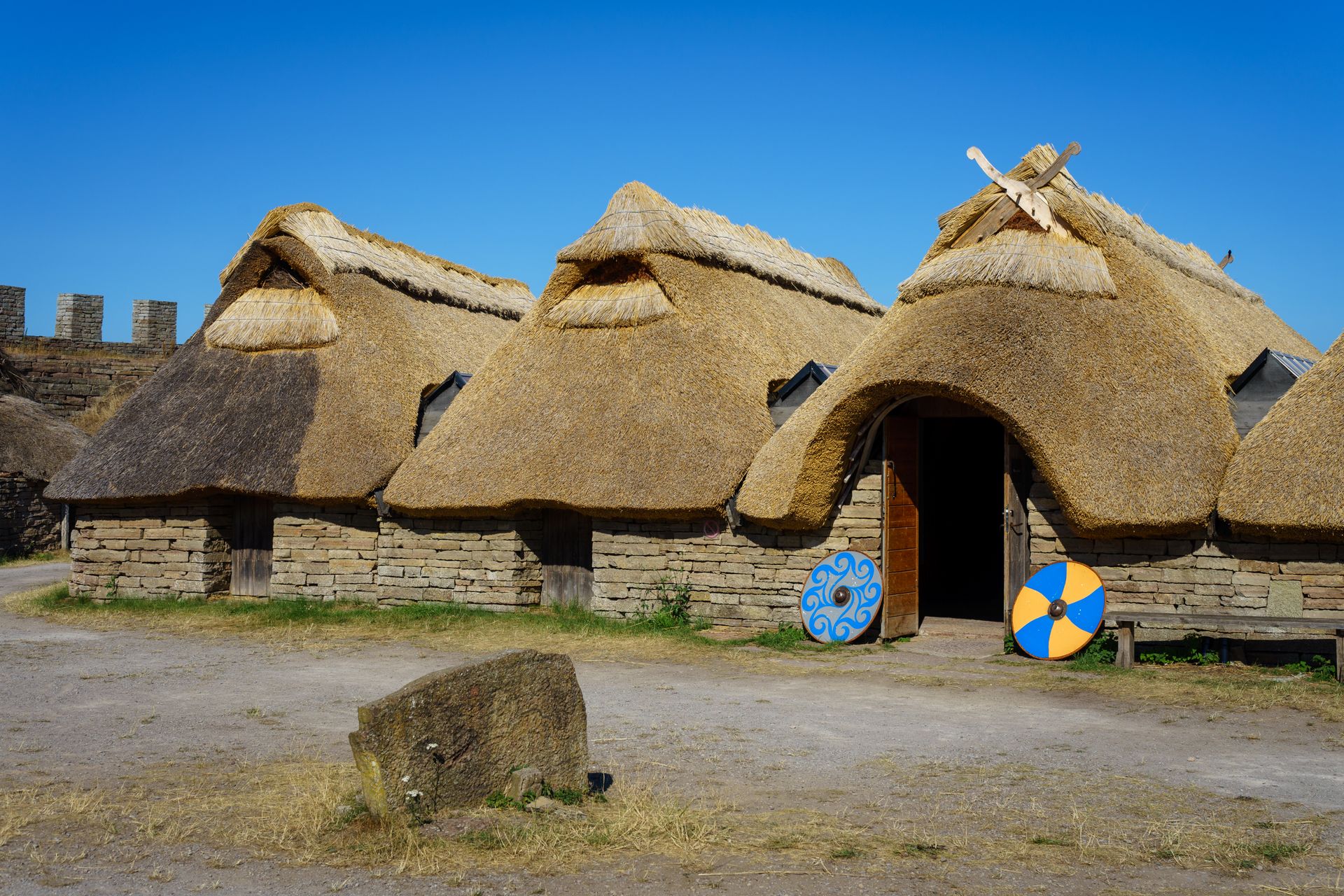
What was daily life like in the 14th century? A survival guide
From straw mattresses to ale for breakfast, life in the 1300s ran on rules and hazards almost entirely unfamiliar to a modern reader. Historians have pieced together what an ordinary day actually involved, and how people navigated a world without plumbing, antibiotics, or reliable law enforcement.

The Indian maharaja who gave hundreds of Polish orphans a home during World War II
When hundreds of Polish children, survivors of Soviet labor camps, found themselves stranded with nowhere to go during World War II, the ruler of the small princely state of Nawanagar in India opened his realm to them, an act of refuge later commemorated across Poland.
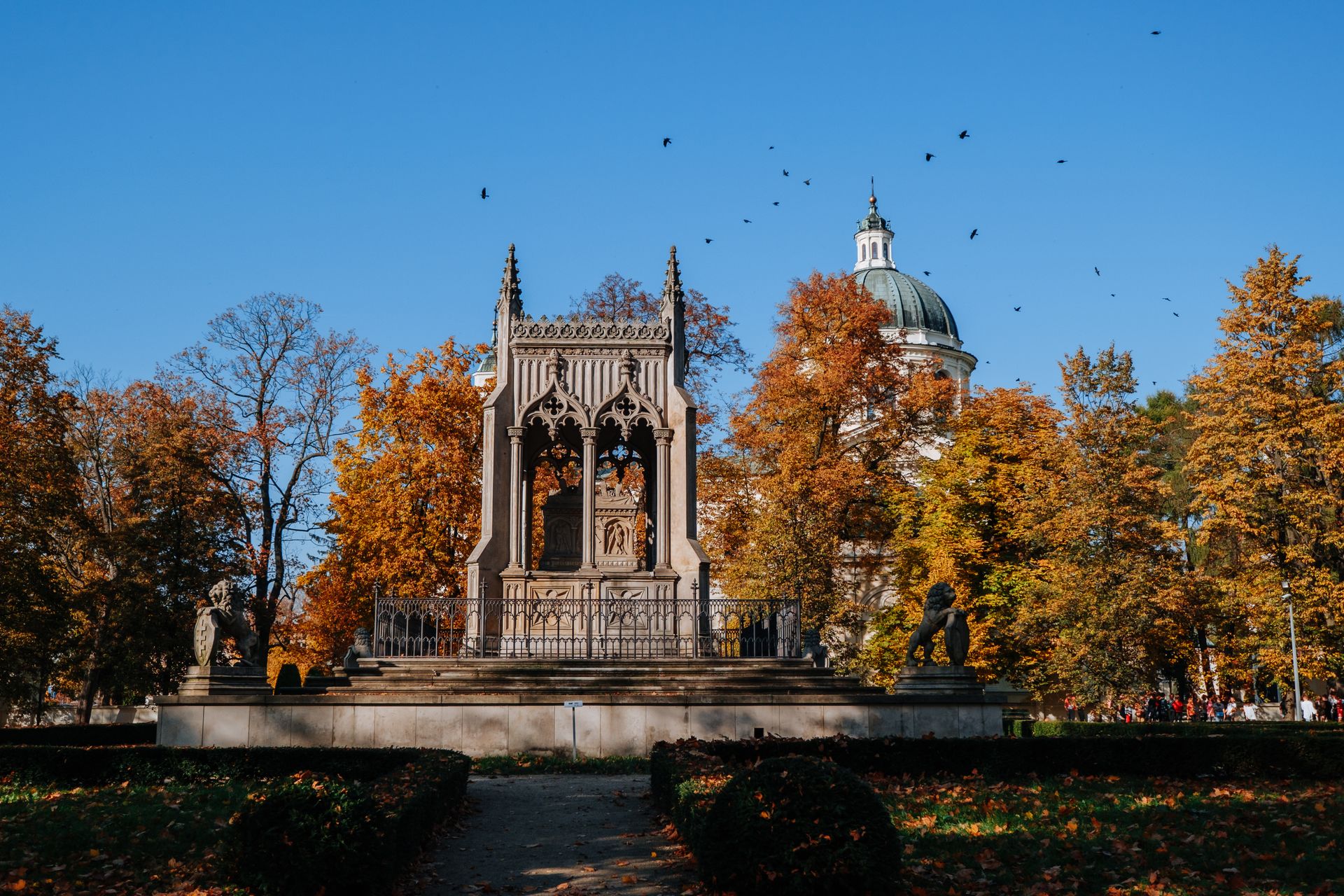
On this day: Ulysses S. Grant dies while racing to finish his memoirs
On July 23, 1885, former US president and Civil War general Ulysses S. Grant died of throat cancer at Mount McGregor, New York, days after completing the memoirs he raced to finish in order to provide for his family after a financial collapse left him bankrupt.
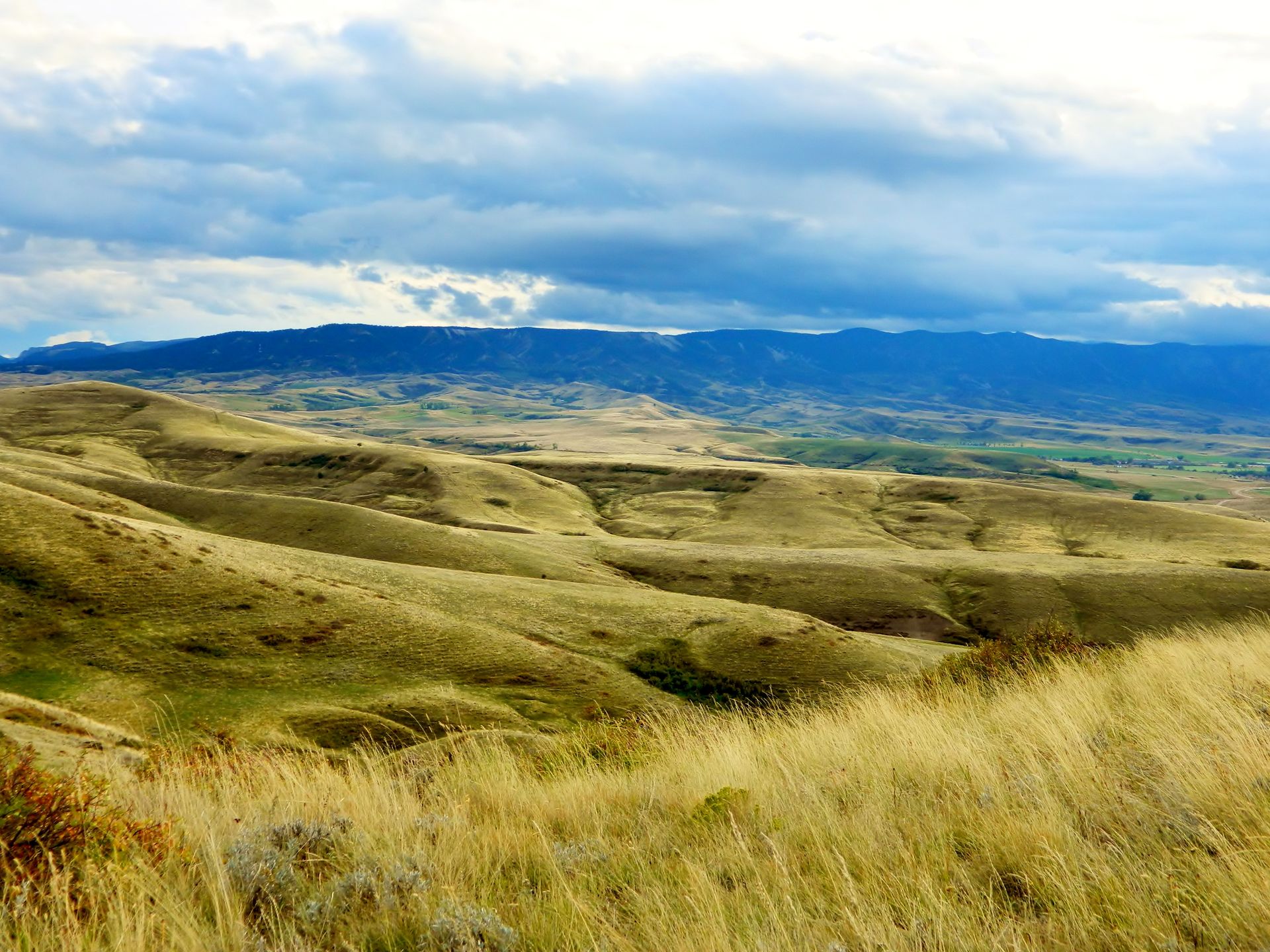
What happened to the bones of millions of slaughtered American bison
The near-extinction of the bison sparked an unusual industry that left almost nothing of the animals behind. The history of this bone trade shows how ecological devastation was turned into an economic opportunity.