On this day: Louise Brown, the world's first IVF baby, is born
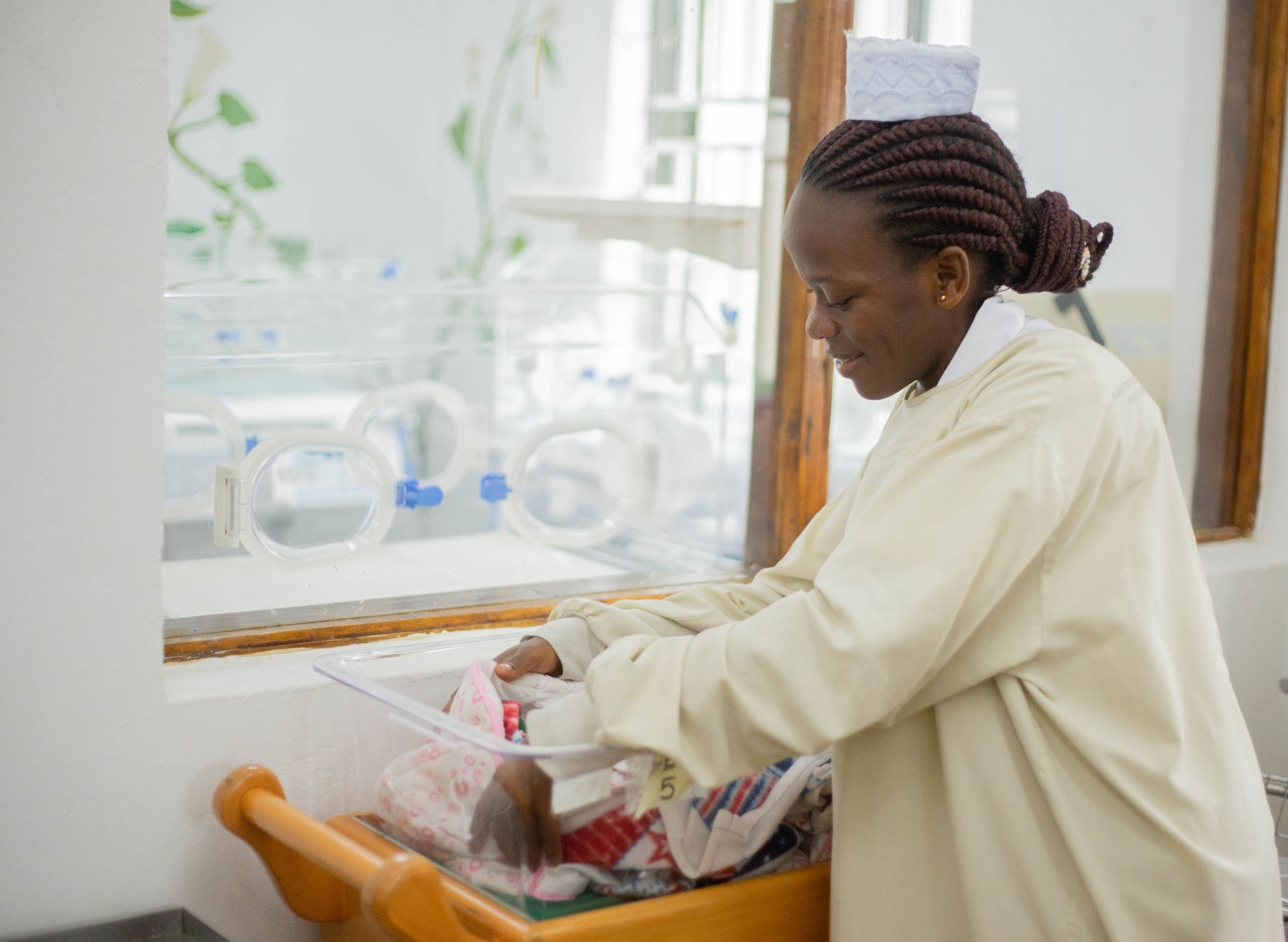
In the early hours of 25 July 1978, a 5lb 12oz baby was delivered by caesarean section at Oldham General Hospital in England, marking one of the defining moments in modern medicine. Louise Joy Brown, daughter of Lesley and John Brown, became the first human being born as a result of in vitro fertilisation (IVF). The news made headlines around the world, with some newspapers dubbing her the 'baby of the century.'
The path to her birth had been decades in the making. Physiologist Robert Edwards and gynaecologist Patrick Steptoe had spent much of the late 1960s and 1970s researching how an egg fertilised outside the body could be implanted into the womb. Lesley Brown had been unable to conceive for years because of blocked fallopian tubes, a common cause of infertility that conventional treatments could not address. The technique Edwards and Steptoe developed offered, for the first time, a route around that barrier.
The procedure itself was far simpler than the IVF protocols used today. A single egg was retrieved from Lesley Brown, fertilised in a laboratory dish with her husband's sperm, and the resulting embryo was transferred into her uterus a few days later. At the time, many in the medical establishment were deeply sceptical, warning that the method was unproven and could result in a failed pregnancy or a child born with serious health problems.
Louise's healthy birth went a long way toward easing those fears. Doctors reported that she was indistinguishable from other newborns and developed normally. Her family faced intense media attention in the aftermath; reporters camped outside the hospital, and wire services tracked the birth almost minute by minute.
Edwards and Steptoe's breakthrough did not happen in isolation. It built on years of animal research and painstaking work to understand human egg maturation and fertilisation outside the body. Steptoe, a pioneer of laparoscopic surgery, had developed techniques for retrieving eggs with minimal harm to patients, while Edwards focused on the biochemistry of fertilisation in the lab. Their partnership, formed in the mid-1960s, faced repeated setbacks and funding difficulties before their first successful pregnancy.
The reaction from parts of the scientific and religious community was mixed. Some bioethicists raised concerns about the long-term implications of manipulating human reproduction, while others welcomed a potential solution for the millions of couples affected by infertility. The Catholic Church voiced opposition to IVF on doctrinal grounds, a position it has maintained since. Despite the controversy, public interest in the technology grew quickly, and clinics offering the treatment began opening across Europe and North America within a few years.
Robert Edwards was awarded the Nobel Prize in Physiology or Medicine in 2010 for developing IVF; Steptoe, who died in 1988, was not eligible for the posthumous honour under Nobel rules. Their work is now credited with laying the foundation for a field of medicine that has helped an estimated 12 million or more babies come into the world.
Louise Brown herself grew up largely outside the spotlight, later working in shipping logistics before becoming an ambassador for IVF-related causes. She married in 2004 and had two children, both conceived naturally, which doctors noted as further evidence that IVF-conceived individuals face no barrier to natural fertility. Her younger sister, Natalie, born in 1982, was among the first IVF-conceived people to give birth to a child of her own.
In the decades since Louise's birth, IVF techniques have advanced considerably, from the introduction of intracytoplasmic sperm injection in the early 1990s to today's use of genetic screening and frozen embryo transfers. What began as an experimental procedure carried out by two researchers in a converted cottage hospital has become a mainstream branch of reproductive medicine, available in some form in most countries.
Each year, 25 July is marked by fertility clinics and patient groups as a reminder of how a single birth reshaped medical possibility. For families who have used IVF to conceive, Louise Brown's story remains a point of reference: proof that a treatment once regarded with suspicion could, within a single generation, become part of ordinary medical practice.
Read next

The Public Sandbox: How a 19th-Century Play Experiment Shaped American Cities
The public sandbox began as an 1880s experiment in Boston, where reformers placed piles of sand in vacant lots to give working-class children a safe place to play. The idea helped launch the American playground movement, but standalone sandboxes later fell out of favor over sanitation, liability, and design concerns.
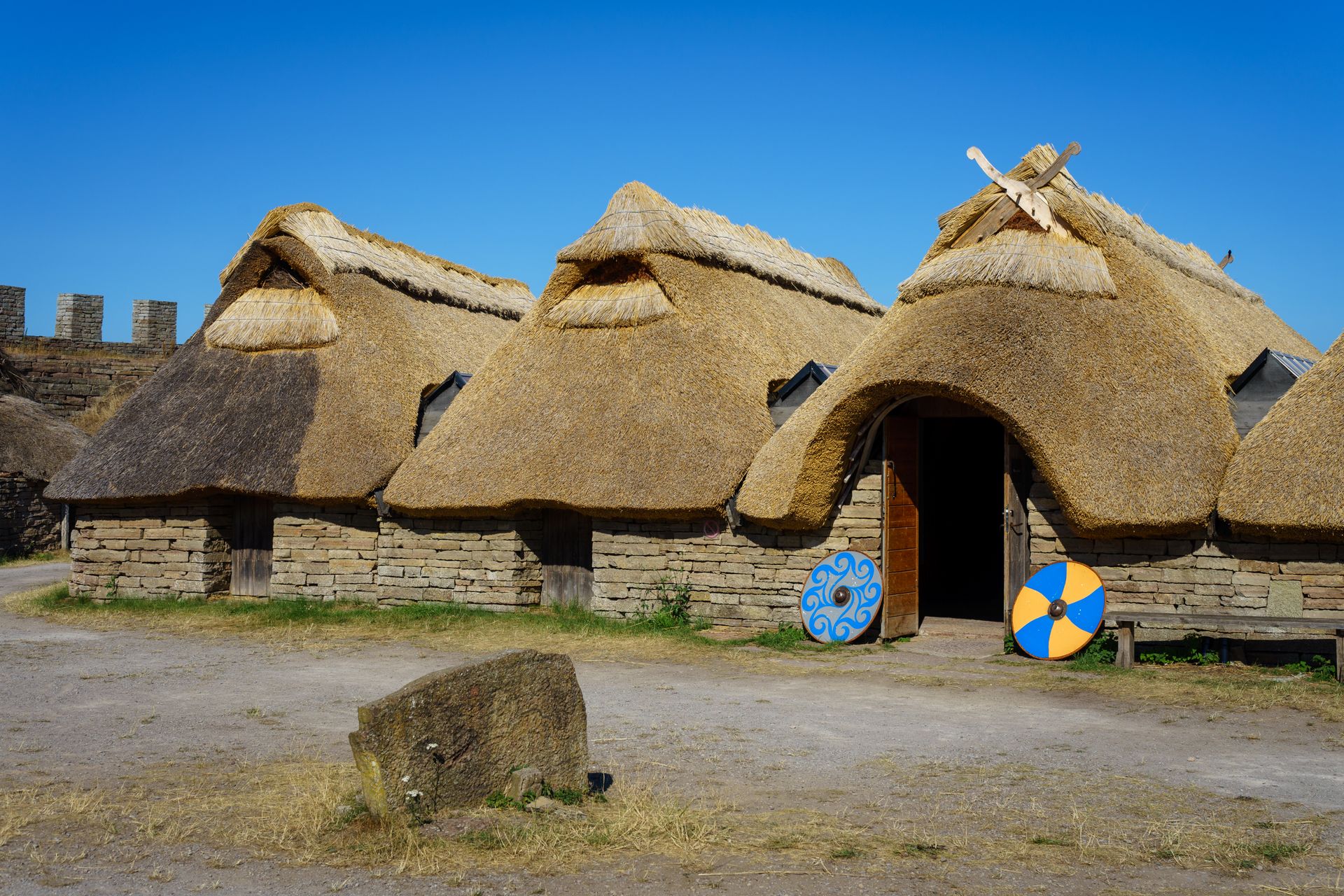
What was daily life like in the 14th century? A survival guide
From straw mattresses to ale for breakfast, life in the 1300s ran on rules and hazards almost entirely unfamiliar to a modern reader. Historians have pieced together what an ordinary day actually involved, and how people navigated a world without plumbing, antibiotics, or reliable law enforcement.
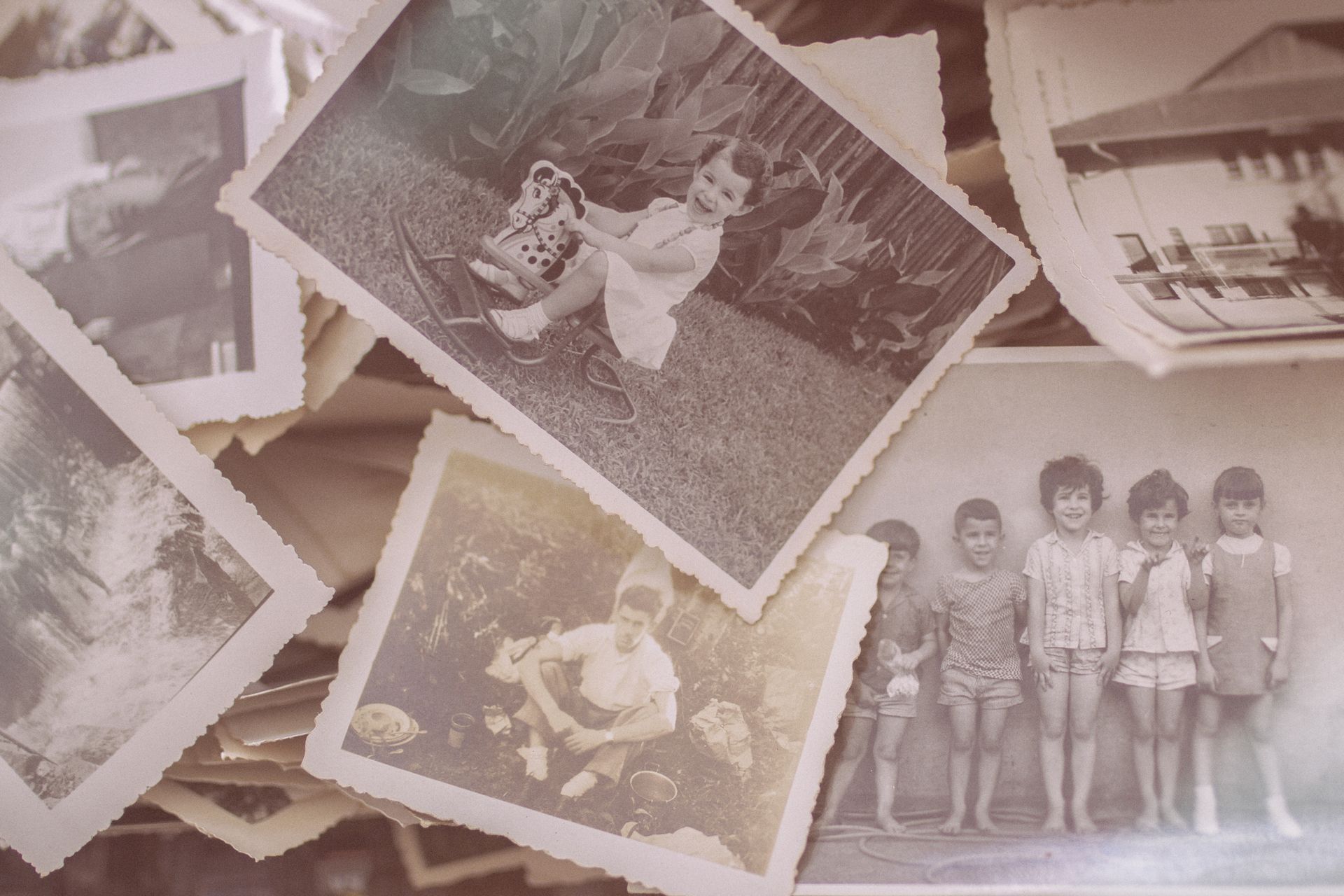
The Indian maharaja who gave hundreds of Polish orphans a home during World War II
When hundreds of Polish children, survivors of Soviet labor camps, found themselves stranded with nowhere to go during World War II, the ruler of the small princely state of Nawanagar in India opened his realm to them, an act of refuge later commemorated across Poland.
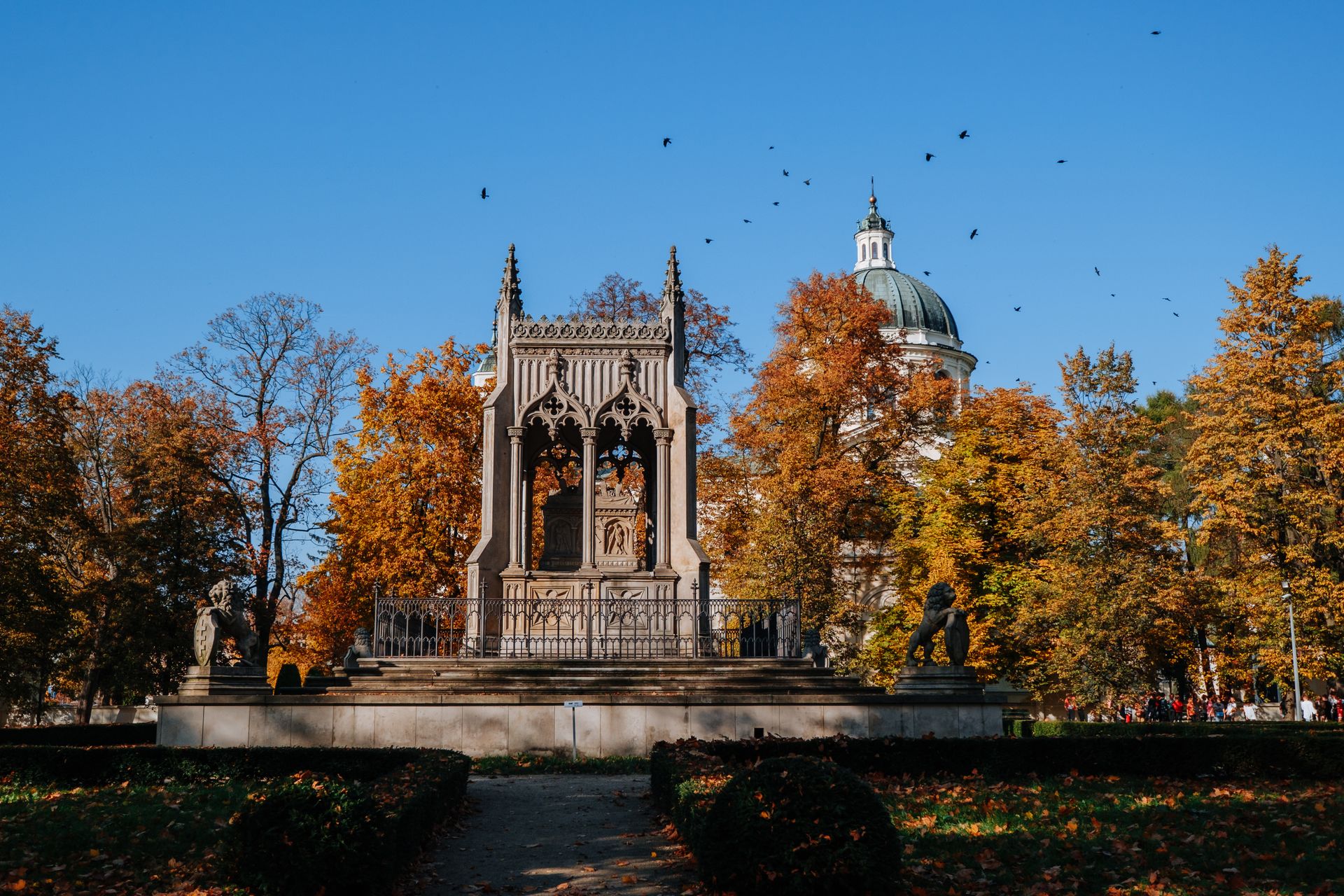
On this day: Ulysses S. Grant dies while racing to finish his memoirs
On July 23, 1885, former US president and Civil War general Ulysses S. Grant died of throat cancer at Mount McGregor, New York, days after completing the memoirs he raced to finish in order to provide for his family after a financial collapse left him bankrupt.

What happened to the bones of millions of slaughtered American bison
The near-extinction of the bison sparked an unusual industry that left almost nothing of the animals behind. The history of this bone trade shows how ecological devastation was turned into an economic opportunity.