Stanford Law study: AI outperformed law professors in benchmark evaluation

A new study published by Stanford Law School has found that advanced AI models scored an average of 86 percent accuracy on law examinations; that figure is above the 73 percent average score of law professors on the same examinations. The study, which has gained wide attention on Hacker News, has revived debates over how legal reasoning should be reassessed in the AI era.
The study's lead author, Professor Daniel Ho, director of the RegLab centre at Stanford Law School, said 'our results indicate AI can perform at or above the level of law academics; this is both an opportunity and a warning signal.' Ho noted that the 56 law academics in the study came from seven different academic institutions and were tested on 14 different areas of law.
The AI models included in the study were OpenAI's GPT-4o, Anthropic's Claude 4 Sonnet and Google's Gemini 2 Flash. In an evaluation conducted by Stanford Law School technical staff, the models' performance was measured in contract law, constitutional law, administrative law, tax law and international law. Examination questions were drawn from genuine professional qualification examinations (bar exam).
The best performance from the AI models came in contract law and administrative law; in these areas accuracy reached 92 percent. The weakest performance was in international law and ethics; in these areas accuracy fell back to 71 percent. The average for the law professors meanwhile was in the 70-78 percent range across all areas.
According to an analysis written for the Stanford Law Review by co-author Professor Faiz Surani, the success of AI models arises from the comprehensive mould of legal knowledge: 'The models process all of the legal sources available on the internet; through this they reach a much wider field of reference than the diameter of a single law professor.' Surani added, however, that at fine-grained reasoning and ethical decision-making stages the limitations of the models become apparent.
A critical view of the study's results also came from the Hacker News community. One leading comment emphasised that AI models' success in the examination format does not mean it should change the judicial decision-making processes of actual legal practice. Yale Law School Professor Robert Post said 'examination scores capture only one dimension of the legal judicial process; actual practice encompasses the relationship established with the client and ethical evaluation.'
The practical impacts of the study's results also reach the workforce transformation in law firms. According to the Stanford Law School spring 2026 survey, 84 percent of Big Law firms use AI tools in their daily operations. Latham & Watkins co-managing partner Marc Jaffe said 'AI models' performance in legal examinations like this shows that junior associate-level tasks need to be redefined; but it cannot touch the experienced lawyer role.'
According to last year's report from the Association of American Law Schools, AI use in legal education has risen 320 percent between 2024 and 2026. This rise in usage has produced gradual changes in both student performance and academic capacity. Another co-author of the study, Stanford Law School faculty member Brad Bernthal, said 'as AI takes over repetitive tasks such as legal research and contract analysis, law academics are starting to focus on strategic analysis.'
On the legal education side, one consequence of this study has been to accelerate the plans of some US law schools to strengthen AI-supported learning programmes. Northwestern Pritzker School of Law Dean Kim Yuracko said 'we are running a two-year transition plan to adapt our legal education curriculum to the AI era; this study legitimises our plan.'
From an international perspective, the results of the study have also generated broad debate among law academics in the United Kingdom and the European Union. Oxford University Law Faculty Deputy Dean Professor John Armour said 'AI models' performance in legal examinations like this is a structural data point that will force legal education to enter a new era.' The AI and law guide published by the European Commission Legal Service in the past three months made specific reference to the study's results. This article does not constitute investment, career or legal advice.
Read next

AlphaFold AI Helps Researchers Redesign Gene-Editing Proteins for Safety
Researchers are using Google DeepMind's AlphaFold, an AI system that predicts protein 3D structures, to identify which parts of gene-editing proteins cause off-target errors. The work aims to redesign CRISPR-associated proteins so they cut DNA more precisely, reducing mistakes that could affect unintended genes. The research is still at the protein-engineering stage, not a clinical treatment.
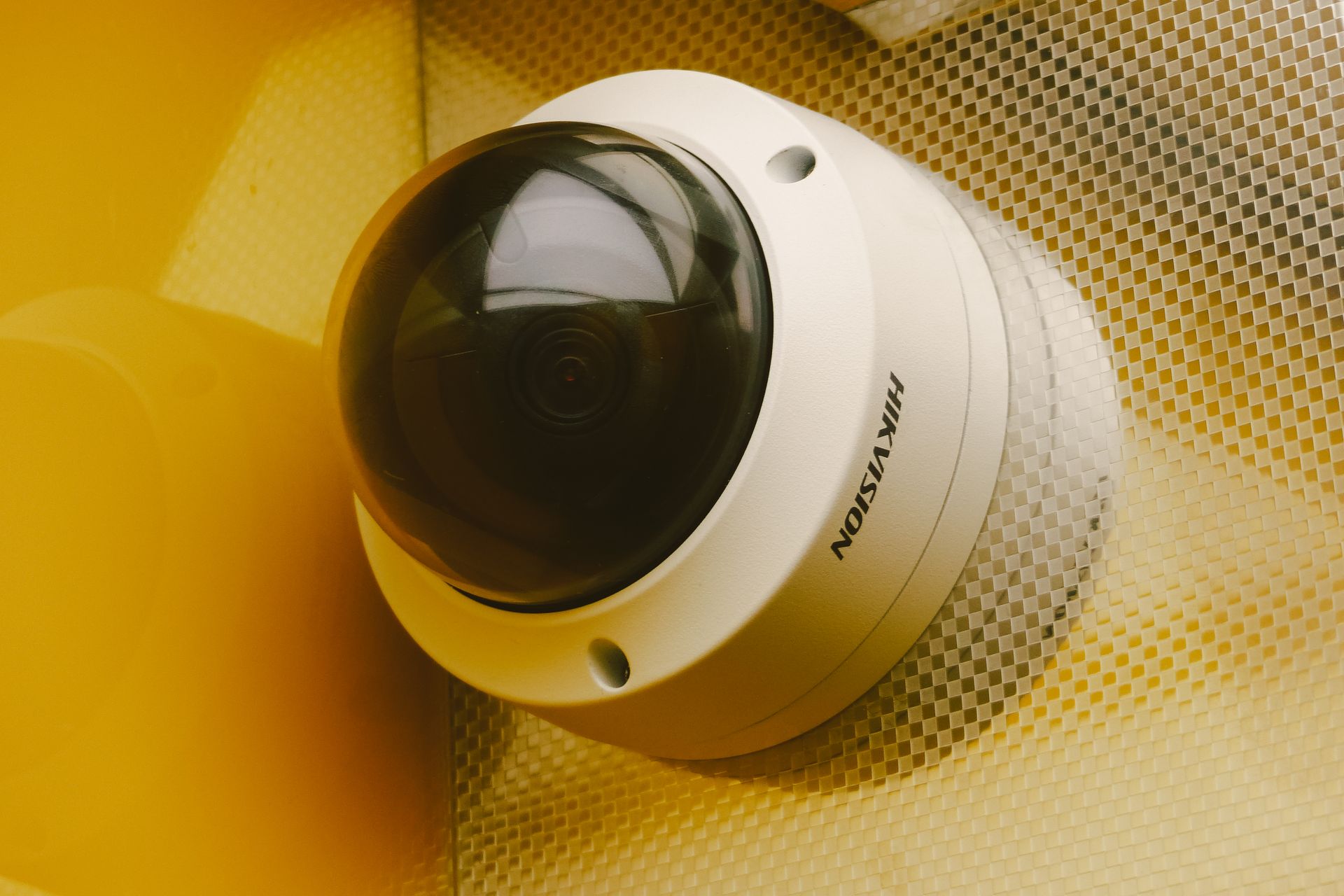
Security Camera's Leaked GitHub Token Exposes IoT's Hardcoded-Secret Problem
A security researcher found that a Hanwha-brand security camera's web login page shipped with a hardcoded GitHub admin token buried in its client-side code. The discovery, shared on Hacker News, highlights a persistent problem across the IoT industry: credentials meant to stay on a server routinely leak into code sent to end devices. Exposed tokens like this one can grant broad access to private repositories and development infrastructure.

Qualcomm to Raise Chip Prices by Double Digits Starting September 1st
Qualcomm has told customers it will raise prices by a double-digit percentage on products shipped after September 1st, Bloomberg reports, citing component shortages and rising supplier costs it says it can no longer absorb. The increase affects chips that power most Android smartphones and could ripple into higher retail prices for consumers.
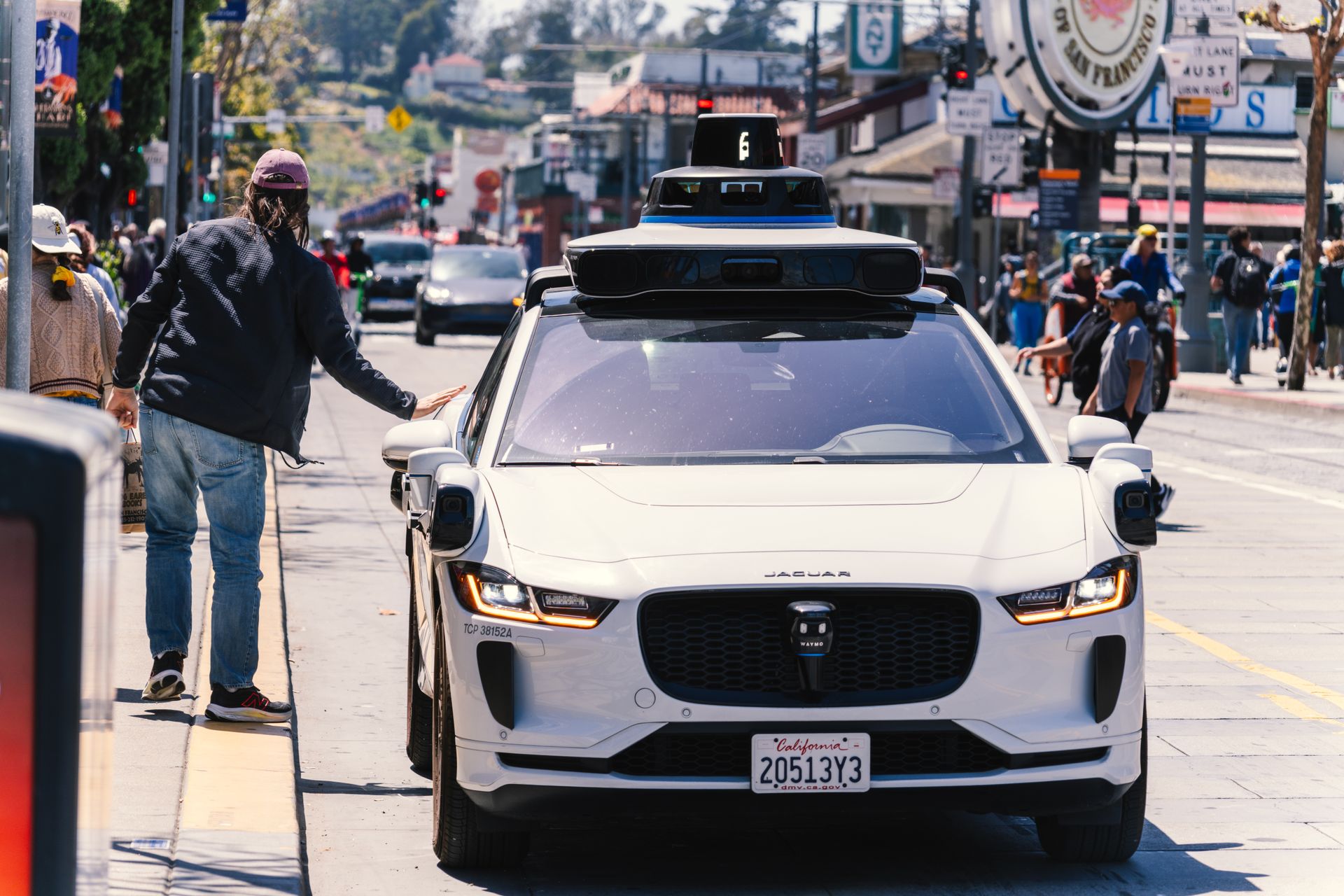
Waymo Reportedly Mulls Ending Its Uber Partnership Before 2028 Contract Ends
Waymo is reportedly considering ending its ride-hailing partnership with Uber, TechCrunch reports, even though the companies' current contract runs through May 2028. The arrangement lets riders hail Waymo robotaxis via the Uber app, and any split would reshape how autonomous rides are distributed to consumers.

Which Countries Restrict Social Media for Kids? Vietnam Joins the List
Vietnam is proposing new restrictions on social media access for children, becoming the latest country to join a global trend that began with Australia's landmark ban on under-16 accounts in late 2025. Lawmakers cite cyberbullying, addiction, and predator exposure as justification, though age-verification enforcement remains a persistent challenge for regulators and platforms alike.