Waymo Reportedly Mulls Ending Its Uber Partnership Before 2028 Contract Ends
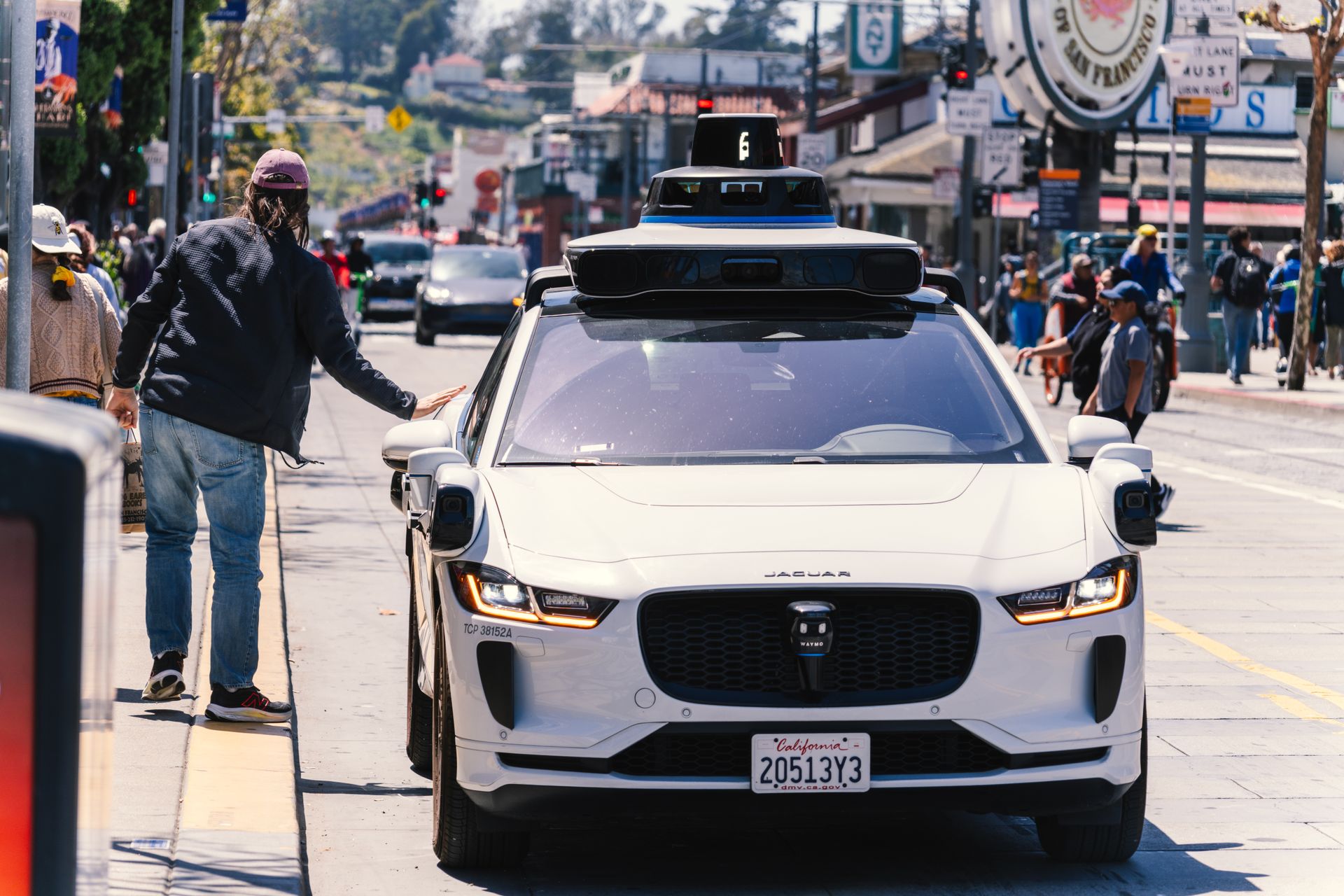
Waymo is reportedly weighing whether to end its ride-hailing partnership with Uber, according to TechCrunch, a move that would reshape one of the highest-profile alliances in the young robotaxi industry. Uber told TechCrunch that its contract with Waymo runs through May 2028, meaning any split would either wait out that term or require the two companies to renegotiate an early exit. Neither company has publicly detailed what such a negotiation might involve, and no timeline for a decision has been disclosed.
The partnership currently lets riders in select cities hail a Waymo robotaxi directly through the Uber app, blending Uber's massive rider network and dispatch infrastructure with Waymo's self-driving vehicle fleet. For Uber, the arrangement offered a fast way to offer autonomous rides without building its own self-driving technology; for Waymo, it offered access to millions of existing Uber users without having to build rider-facing demand from scratch.
Waymo, a subsidiary of Alphabet, has spent more than a decade developing its self-driving technology, originally as the Google Self-Driving Car Project before spinning out in 2016. It has since expanded robotaxi service, operated through its own Waymo One app as well as via Uber in certain markets, to multiple U.S. cities, accumulating tens of millions of paid autonomous rides along the way. That track record is part of why any change to its distribution strategy draws close attention from investors and rival operators alike.
Sources familiar with Waymo's thinking, as described in the report, suggest the company may prefer to control the entire rider experience directly through its own app and branding rather than splitting attention, data, and revenue with a partner. Owning the full customer relationship would give Waymo more control over pricing, service standards, and the data generated by each ride, all of which become more valuable as the company scales.
Competitive dynamics in the robotaxi sector may also be a factor. Rivals including Zoox, Amazon's self-driving unit, and various Chinese autonomous-vehicle operators are pursuing their own direct-to-consumer models, and Waymo may see an independent app as necessary to compete on brand visibility rather than being just one option nested inside Uber's broader menu of ride types.
For Uber, losing the Waymo partnership would remove one of its most closely watched autonomous-vehicle relationships, though the company has hedged by signing agreements with multiple other self-driving developers in parallel. Uber has structured its autonomous-vehicle strategy around being a marketplace that aggregates many robotaxi operators rather than betting on a single partner, a posture that would cushion the impact of any single breakup. Uber has previously described that multi-partner approach as a deliberate hedge against exactly this kind of scenario.
Even so, Waymo has been among the most operationally mature of Uber's autonomous partners, with vehicles already carrying paying passengers at scale in multiple metro areas rather than remaining in pilot or testing phases. Losing that specific relationship, even if replaced by other partnerships, could slow Uber's near-term autonomous-ride volume in the markets where Waymo currently operates through the app.
The reported tension also highlights a broader question facing every robotaxi operator: whether it is more valuable to plug into an established ride-hailing marketplace or to build direct consumer relationships and capture the entire fare. Waymo appears to be reassessing that trade-off as its own fleet, technology, and brand recognition mature, rather than assuming the calculus that made the original Uber tie-up attractive still holds years later.
Notably, nothing about a breakup is confirmed. TechCrunch's report describes Waymo as "reportedly mulling" the move, and Uber's own statement to the outlet emphasized only that the existing contract runs to May 2028, not that either side has decided to end the relationship early or let it lapse. Any change to the partnership would likely unfold gradually, market by market, rather than as a single abrupt cutoff.
Whatever Waymo ultimately decides, the more than two years remaining on the current contract give both companies time to plan their next moves, whether that means renegotiating terms, winding the partnership down city by city, or continuing it largely as-is through 2028. The outcome will be watched closely as an early signal of how the broader robotaxi industry settles the question of platform ownership versus marketplace distribution.
Read next

AlphaFold AI Helps Researchers Redesign Gene-Editing Proteins for Safety
Researchers are using Google DeepMind's AlphaFold, an AI system that predicts protein 3D structures, to identify which parts of gene-editing proteins cause off-target errors. The work aims to redesign CRISPR-associated proteins so they cut DNA more precisely, reducing mistakes that could affect unintended genes. The research is still at the protein-engineering stage, not a clinical treatment.

Security Camera's Leaked GitHub Token Exposes IoT's Hardcoded-Secret Problem
A security researcher found that a Hanwha-brand security camera's web login page shipped with a hardcoded GitHub admin token buried in its client-side code. The discovery, shared on Hacker News, highlights a persistent problem across the IoT industry: credentials meant to stay on a server routinely leak into code sent to end devices. Exposed tokens like this one can grant broad access to private repositories and development infrastructure.

Qualcomm to Raise Chip Prices by Double Digits Starting September 1st
Qualcomm has told customers it will raise prices by a double-digit percentage on products shipped after September 1st, Bloomberg reports, citing component shortages and rising supplier costs it says it can no longer absorb. The increase affects chips that power most Android smartphones and could ripple into higher retail prices for consumers.

Which Countries Restrict Social Media for Kids? Vietnam Joins the List
Vietnam is proposing new restrictions on social media access for children, becoming the latest country to join a global trend that began with Australia's landmark ban on under-16 accounts in late 2025. Lawmakers cite cyberbullying, addiction, and predator exposure as justification, though age-verification enforcement remains a persistent challenge for regulators and platforms alike.

Why writing by hand is still better for your brain than typing
Keyboards and touchscreens dominate everyday writing, but a growing body of research shows that putting pen to paper engages the brain differently — and more deeply — than typing does. Here's why that difference emerges, and when it actually matters.