Why AI pioneers Hinton, Li and Ng are defending open models amid safety fears
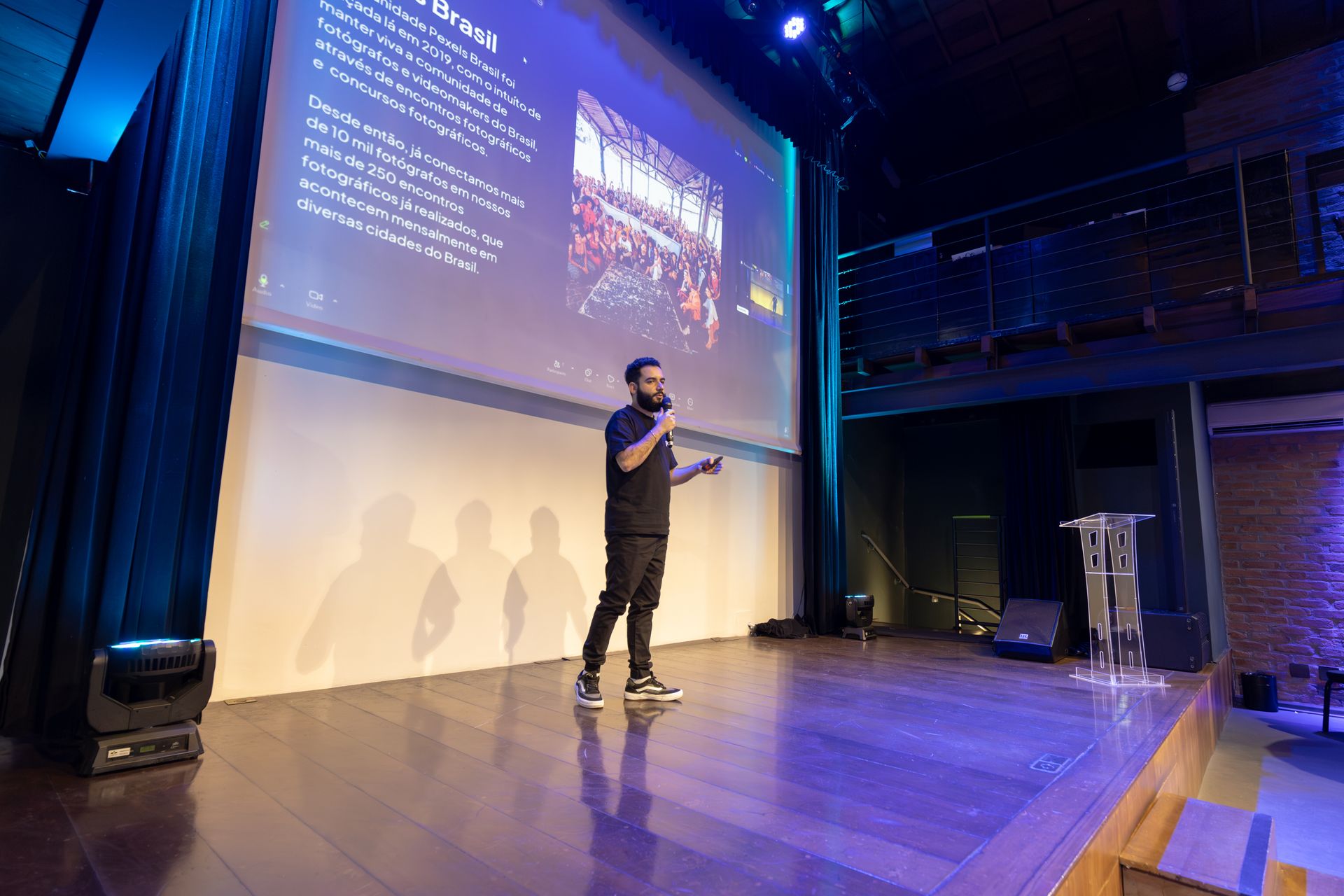
A debate that has simmered beneath the surface of the artificial intelligence industry for years broke into the open at the Ai4 conference, where three of the field's most influential researchers — Geoffrey Hinton, Fei-Fei Li and Andrew Ng — discussed, and at points disagreed on, whether making powerful AI models openly available strengthens or undermines safety efforts as the technology grows more capable.
Hinton, whose foundational work on neural networks helped make the current wave of AI possible and who has since become one of the field's most prominent voices warning about existential risk, has generally argued for tighter control over the most capable systems, expressing concern that widely available open-weight models could be more easily misused or modified to strip out safety guardrails.
Ng and Li, both of whom have built careers spanning academic AI research, major industry roles and startup leadership, have been more consistent defenders of open-source AI development, arguing that broad access to model weights accelerates beneficial research, lowers barriers for smaller companies and academic labs, and — crucially — allows a far larger community of researchers to identify and fix safety flaws than a handful of closed labs working in isolation ever could.
The panel's discussion touched directly on geopolitical competition, specifically the question of how the United States and its allies should respond as Chinese AI labs continue to release increasingly capable open-weight models. Several Chinese developers have gained significant global adoption by releasing highly capable models with permissive licenses, a strategy some in the debate framed as a deliberate effort to set the terms of the global AI ecosystem through openness rather than restriction.
Proponents of continued Western openness argued that ceding the open-model space entirely to Chinese developers would be strategically shortsighted, potentially allowing those models — and the norms, biases and dependencies embedded in them — to become the default infrastructure for AI development in large parts of the world, including regions where the US and Europe currently have limited technological influence.
The safety side of the argument rests on a genuine and unresolved technical disagreement: whether the primary AI risk to guard against is a small number of powerful, centralized labs deploying systems irresponsibly, or a widely diffused set of capable open models being adapted for harmful purposes by malicious actors who would otherwise lack the resources to build such systems from scratch.
Regulation featured heavily in the discussion, with participants broadly agreeing that some form of governance framework for the most capable AI systems is likely necessary, while disagreeing sharply on where the regulatory line should sit — whether restrictions should apply narrowly to a small number of frontier-scale models regardless of whether they are open or closed, or whether openness itself should be treated as an additional, separate risk factor requiring its own layer of oversight.
The fact that three researchers of this stature — figures widely credited with foundational contributions to modern AI and rarely seen publicly disagreeing at this level of detail — chose to have this discussion in front of an industry audience is itself notable, reflecting how unresolved and consequential the open-versus-closed debate has become as AI capabilities continue to advance rapidly.
Industry watchers note that the practical stakes of this debate are rising quickly, since the gap in capability between the most advanced closed models and the best openly available ones has narrowed considerably over the past two years, meaning decisions about openness now apply to genuinely powerful systems rather than comparatively limited early-generation models.
No resolution emerged from the panel, and none of the three researchers suggested one was imminent industry-wide. What the exchange did make clear is that some of AI's most respected minds remain genuinely divided on one of the field's most consequential unresolved questions, at a moment when the answer increasingly shapes how governments, companies and researchers around the world approach the technology's next phase.
Read next

How a specially designed font is being used to poison AI scrapers
A new tool called ShieldFont lets website owners embed text that reads normally to human visitors but turns into nonsense when scraped by AI training crawlers. The approach adds to a growing toolkit publishers are using to resist having their content harvested for AI models without consent.

What are glueballs, and have physicists finally found one?
For decades, physicists have predicted the existence of glueballs, exotic particles made purely of the force-carrying gluons that bind quarks together, but never definitively observed one. New experimental evidence has produced what researchers call the strongest signal yet that a particle dominated by a glueball component genuinely exists in nature.

Base iPhone 18 will reportedly miss Apple's usual fall launch
Apple's standard iPhone 18 will reportedly not launch alongside the Pro models this fall, arriving instead in early 2027, according to supplier comments spotted by MacRumors. The staggered rollout would continue a shift toward splitting Apple's iPhone launches across the year rather than releasing the full lineup at once.

AI coding startup Cognition in talks to raise at $40B valuation
Cognition, the AI coding startup behind the Devin software agent, is reportedly in talks to raise new funding at a $40 billion valuation, just months after closing a $1 billion round valuing it at $26 billion. The pace reflects intense investor demand for AI coding tools since Cognition's acquisition of Windsurf.
Made by Google 2026: what to expect from today's Pixel 11 launch event
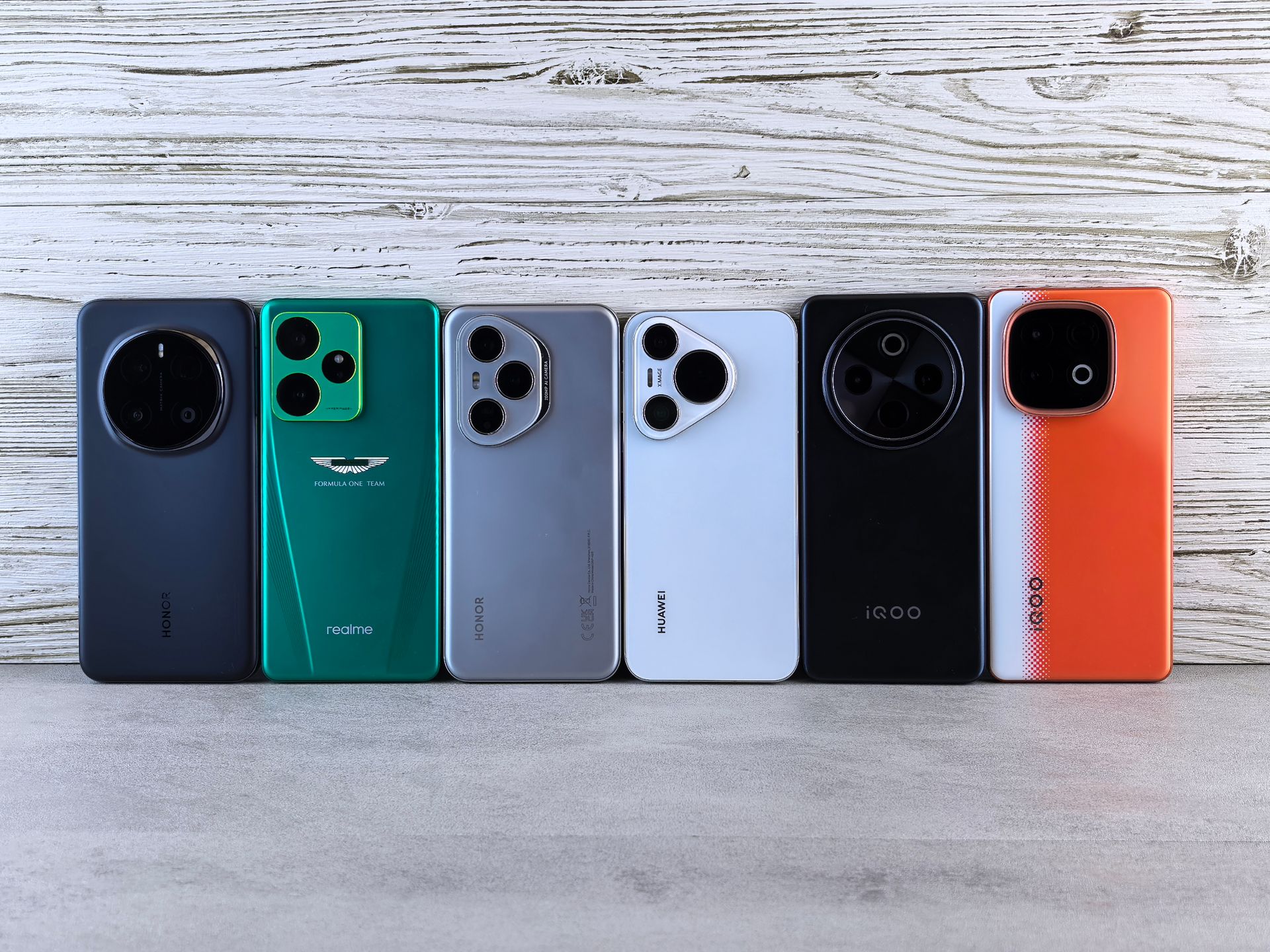
Google is set to unveil a wave of new Pixel devices at its annual Made by Google event on August 12th. Pre-event leaks have offered an unusually detailed preview of what's expected — from a broader Pixel 11 phone lineup to new wearables and possibly a whole new accessory category for the company.