Base iPhone 18 will reportedly miss Apple's usual fall launch
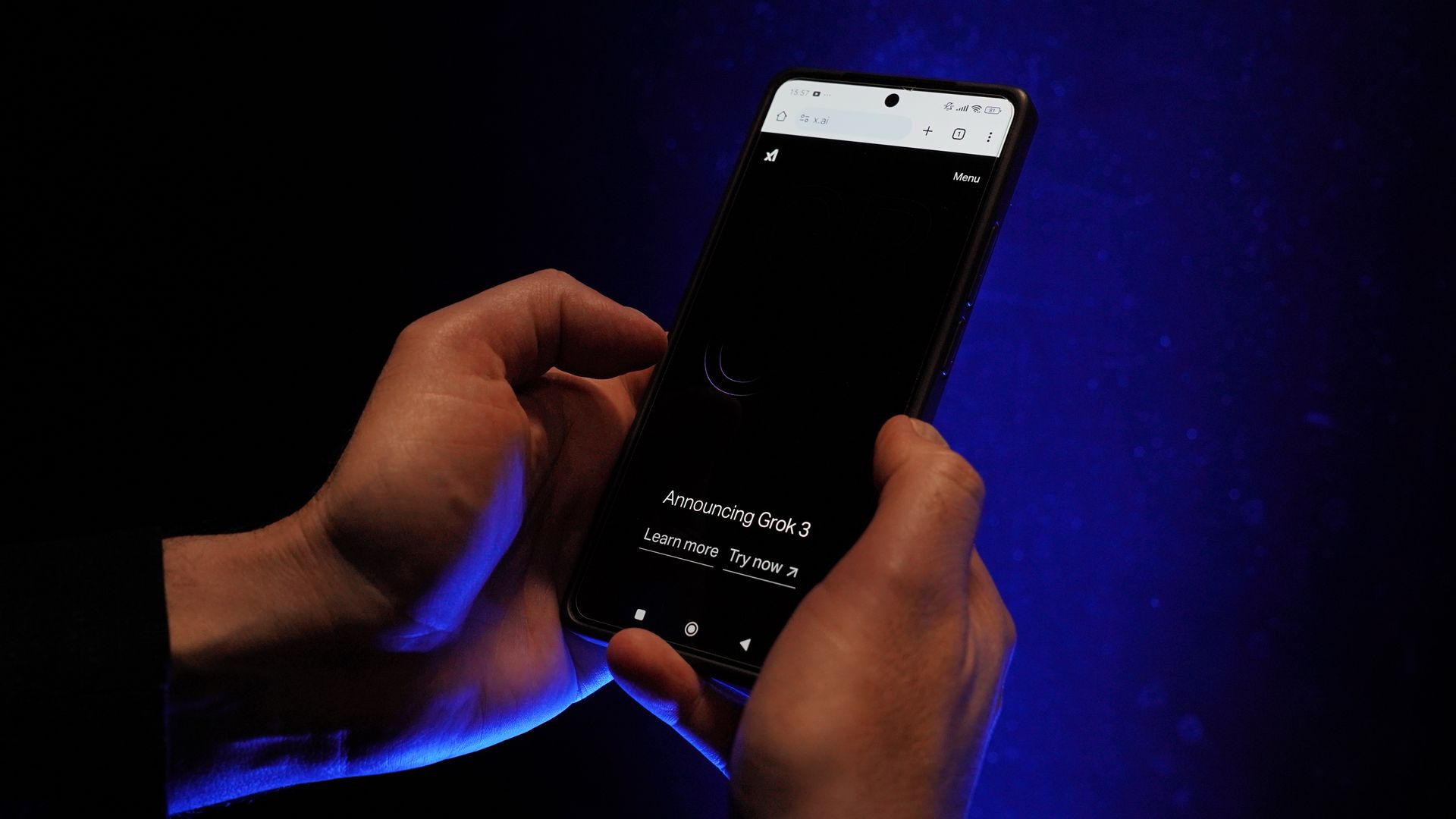
Apple's standard iPhone 18 model appears set to break from the company's long-running pattern of launching its full iPhone lineup together each September, according to a report citing comments from executives at Apple supplier Pegatron during an earnings call, first spotted by MacRumors. The iPhone 18 Pro series is on track for its usual fall debut, but the base iPhone 18 will reportedly not follow until the first quarter of 2027.
The staggered timeline reportedly extends further than just the base model. The more affordable iPhone 18e and a new iPhone Air variant are also expected to launch around the same delayed window in early 2027, according to the report, suggesting Apple is moving toward a meaningfully split release calendar rather than a single autumn event covering its entire iPhone range.
This is not the first signal pointing in this direction. Independent analyst Ming-Chi Kuo, a widely followed figure in Apple supply-chain reporting, and separately The Information both previously reported that Apple was planning to limit its fall 2026 launch specifically to its premium Pro-tier phones, with other models following on a delayed schedule. A separate Apple supplier reportedly corroborated elements of that timeline earlier this year as well, lending the pattern additional credibility ahead of this latest report.
Apple has not commented publicly on the reported schedule change, and the company's iPhone launch plans are known to shift as production timelines evolve, meaning the specific dates described in supply-chain reporting should be treated as provisional rather than confirmed until Apple itself makes an announcement.
The strategic logic behind splitting launches, as reported by industry analysts, centers on manufacturing and component logistics. Concentrating the production ramp for an entire iPhone generation into a single narrow window ahead of a September launch creates significant strain on Apple's supply chain, particularly for components shared across multiple models, and spreading launches across the calendar year could ease that bottleneck considerably.
A staggered release calendar could also serve a commercial purpose beyond manufacturing logistics: spacing out iPhone announcements gives Apple more moments throughout the year to generate consumer attention and retail foot traffic, rather than concentrating all of that attention into a single autumn launch event that has to carry the company's marketing momentum for months afterward.
For consumers, a split launch schedule complicates the once-reliable assumption that all new iPhone models arrive together each September, potentially affecting purchase timing decisions for buyers who have historically waited for the full annual lineup before deciding which model to buy, upgrade to, or skip in favor of the following year's release.
Carriers and retailers who build promotional calendars around Apple's traditional September launch will also need to adapt to a more fragmented release pattern if the reported schedule holds, potentially requiring separate marketing and inventory planning cycles for each staggered model rather than a single coordinated fall push.
The shift, if confirmed, would mark one of the more significant changes to Apple's iPhone release strategy in recent years, a strategy that has remained largely consistent — a unified September launch for the full lineup — since the company began releasing multiple iPhone models simultaneously.
Apple typically confirms its launch plans only shortly before its September media events, meaning further clarity on the base iPhone 18's actual release date is unlikely to arrive until closer to that point, leaving supply-chain reporting as the primary source of insight into the company's plans in the meantime.
Read next
How a specially designed font is being used to poison AI scrapers
A new tool called ShieldFont lets website owners embed text that reads normally to human visitors but turns into nonsense when scraped by AI training crawlers. The approach adds to a growing toolkit publishers are using to resist having their content harvested for AI models without consent.

What are glueballs, and have physicists finally found one?
For decades, physicists have predicted the existence of glueballs, exotic particles made purely of the force-carrying gluons that bind quarks together, but never definitively observed one. New experimental evidence has produced what researchers call the strongest signal yet that a particle dominated by a glueball component genuinely exists in nature.
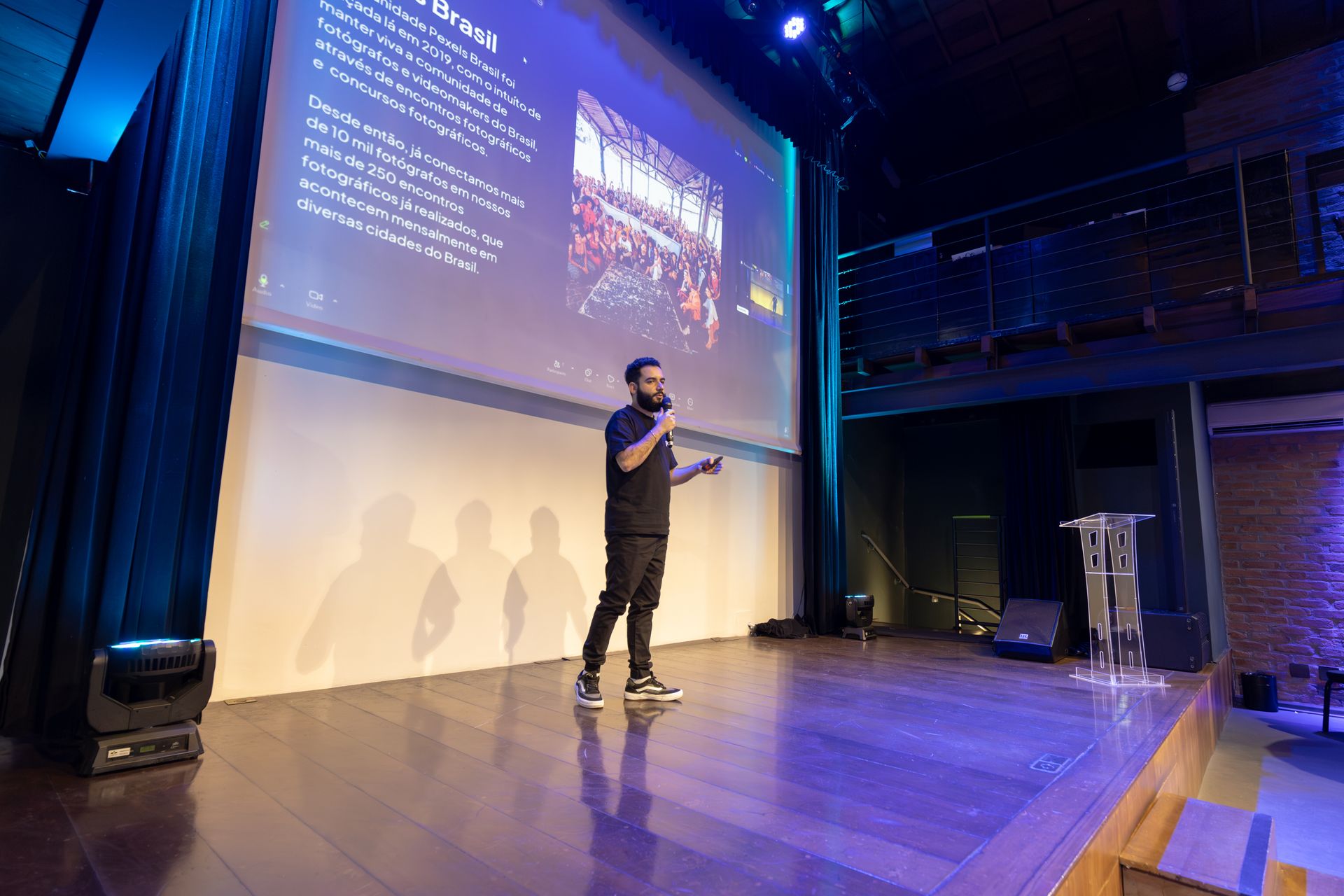
Why AI pioneers Hinton, Li and Ng are defending open models amid safety fears
At the Ai4 conference, three of AI's most respected researchers — Geoffrey Hinton, Fei-Fei Li and Andrew Ng — debated whether open-source access to powerful AI models helps or harms safety. Their exchange captured a widening rift in the field over regulation, openness and how the West can keep pace as China's AI capabilities advance.

AI coding startup Cognition in talks to raise at $40B valuation
Cognition, the AI coding startup behind the Devin software agent, is reportedly in talks to raise new funding at a $40 billion valuation, just months after closing a $1 billion round valuing it at $26 billion. The pace reflects intense investor demand for AI coding tools since Cognition's acquisition of Windsurf.
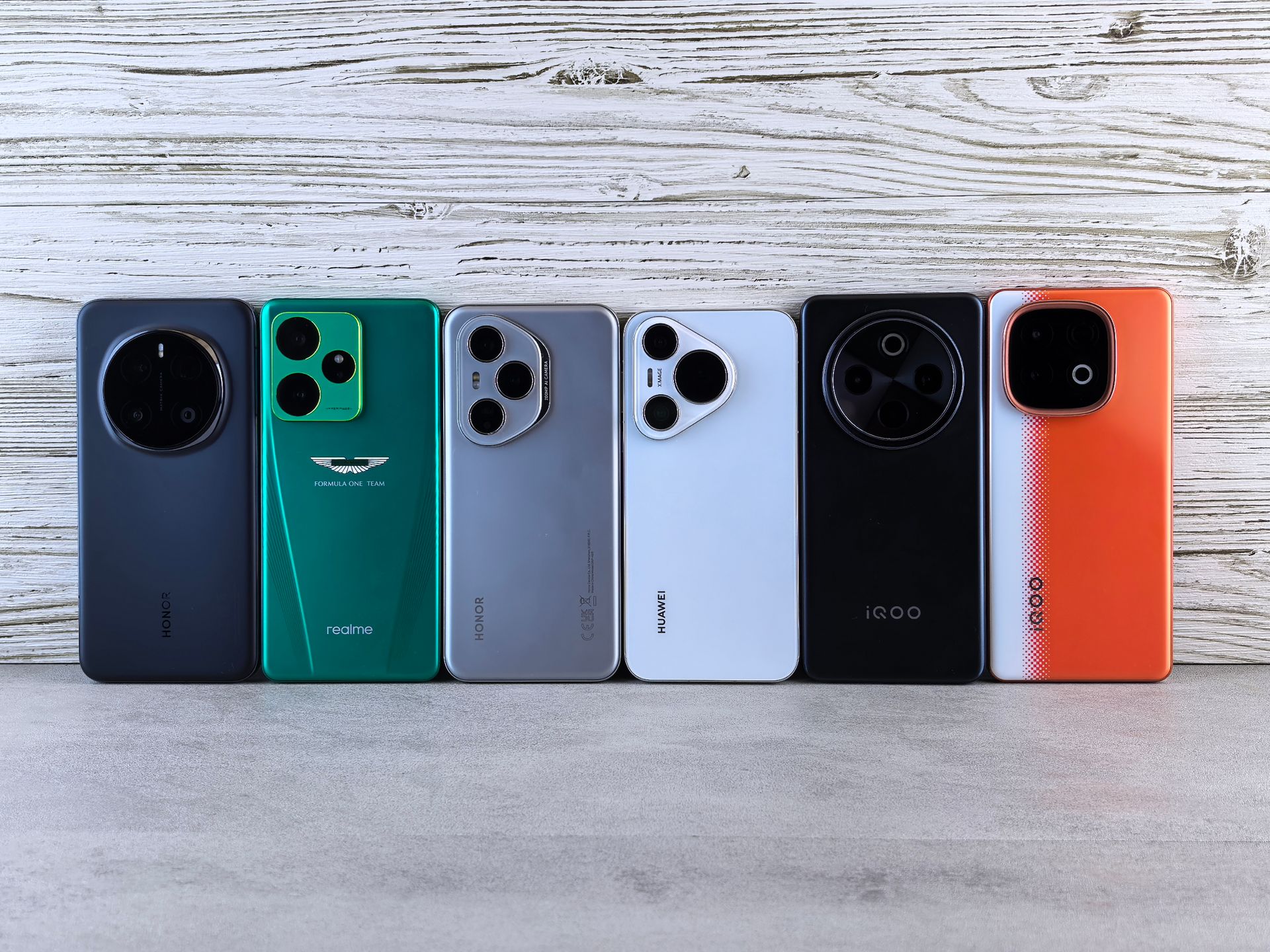
Made by Google 2026: what to expect from today's Pixel 11 launch event
Google is set to unveil a wave of new Pixel devices at its annual Made by Google event on August 12th. Pre-event leaks have offered an unusually detailed preview of what's expected — from a broader Pixel 11 phone lineup to new wearables and possibly a whole new accessory category for the company.