Does EV charging still suck? What a 600-mile road trip found
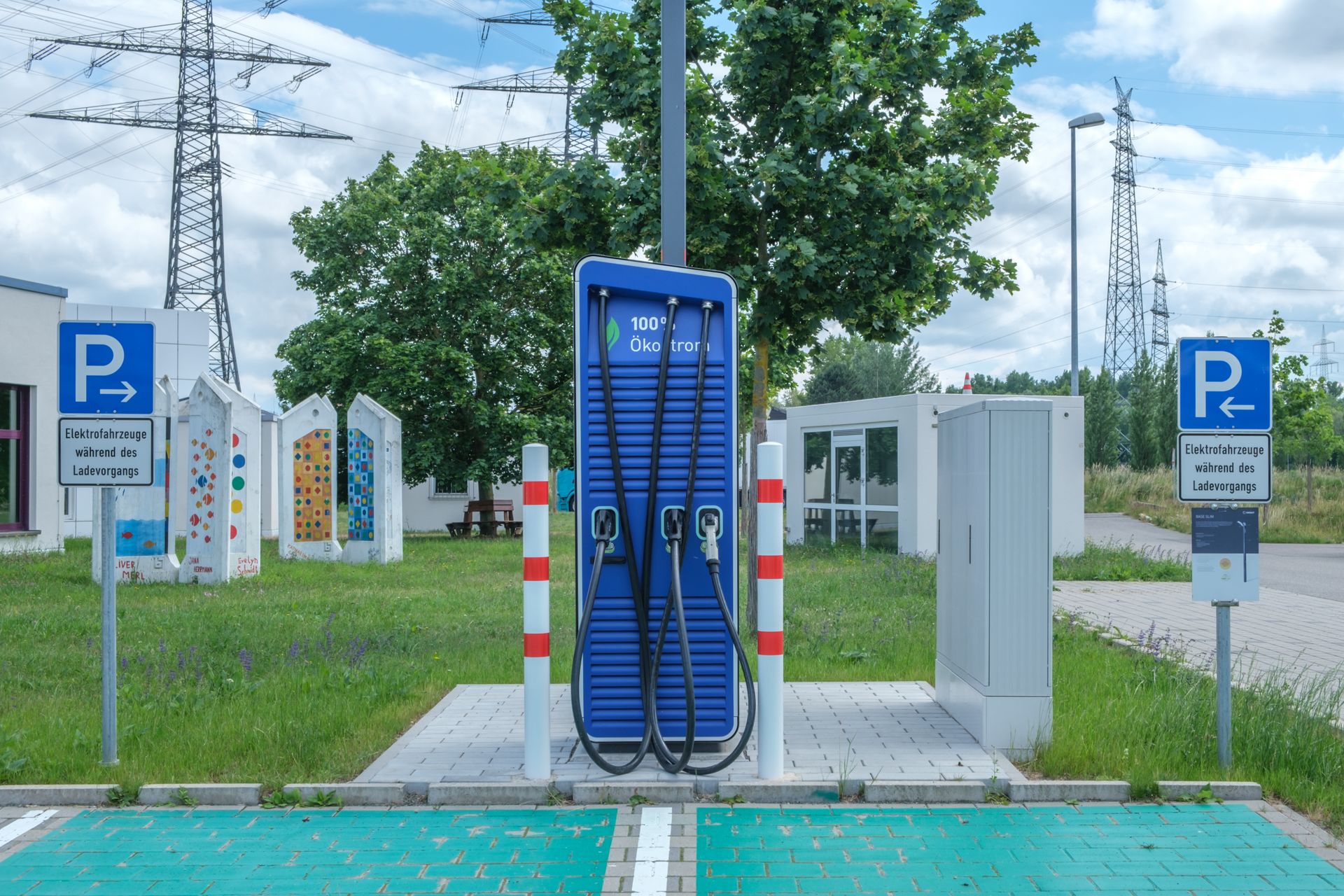
For years, the biggest knock against electric vehicles stayed the same: charging was slow, unreliable, and stressful. Occupied stalls, broken chargers, and unpredictable wait times turned a long road trip into more of a gamble than a plan. But according to real-world data collected on a 600-mile road trip by one journalist, that picture has largely changed.
Every charging stop along the trip was logged — duration, wait time, and charging speed. The results showed that an average fast-charging stop no longer takes much longer than a typical gas-station break, particularly when it overlaps with something you'd need to do anyway, like eating or resting.
Several concrete factors sit behind this improvement. Charging networks have expanded significantly over the past few years, reducing the odds of arriving to find a station full or out of order. At the same time, newer generations of fast chargers can deliver higher power levels, shortening the time it takes to fill a battery.
There's improvement on the vehicle side too: newer EV models come with battery systems that can accept faster charging speeds. That makes better use of the power a station can actually deliver — until recently, many vehicles charged well below the maximum speed a station offered.
Still, the data shows the problem hasn't disappeared entirely. Charging infrastructure remains sparse in rural areas and on routes away from major highways, where finding a station is noticeably harder than along intercity corridors.
The single biggest delay on the journalist's trip came from one broken charger — a reminder that maintenance consistency can still vary widely from station to station. Even when a network's overall reliability is high, one faulty unit can meaningfully extend a single stop.
The payment experience stands out as another area of improvement. A common complaint a few years ago was that different charging networks required different apps, memberships, and payment methods; many stations now let drivers simply tap a credit card, no app download required.
Experts say real-world data like this is particularly valuable for consumers weighing whether to switch to an EV, because the charging experience often looms as a bigger psychological barrier than range anxiety itself.
Industry analysts note that the pace of charging-infrastructure improvement is closely tied to EV sales growth: as more electric vehicles hit the road, network operators have a stronger incentive to open more stations — creating something of a self-reinforcing cycle.
Ultimately, the data suggests EV charging is no longer a guaranteed nightmare on a long road trip, though it isn't flawless either. The experience along major highway corridors has improved substantially; on rural routes, there's still ground to cover.
Read next

What is prior authorization, and can AI actually fix it?
Prior authorization — one of the most hated bottlenecks in US healthcare — is now being automated with AI by both insurers and hospitals. But experts warn the same technology that promises to speed up approvals could just as easily make the standoff between the two sides worse.
What is convex optimization, and did an AI really close a 30-year gap in it?
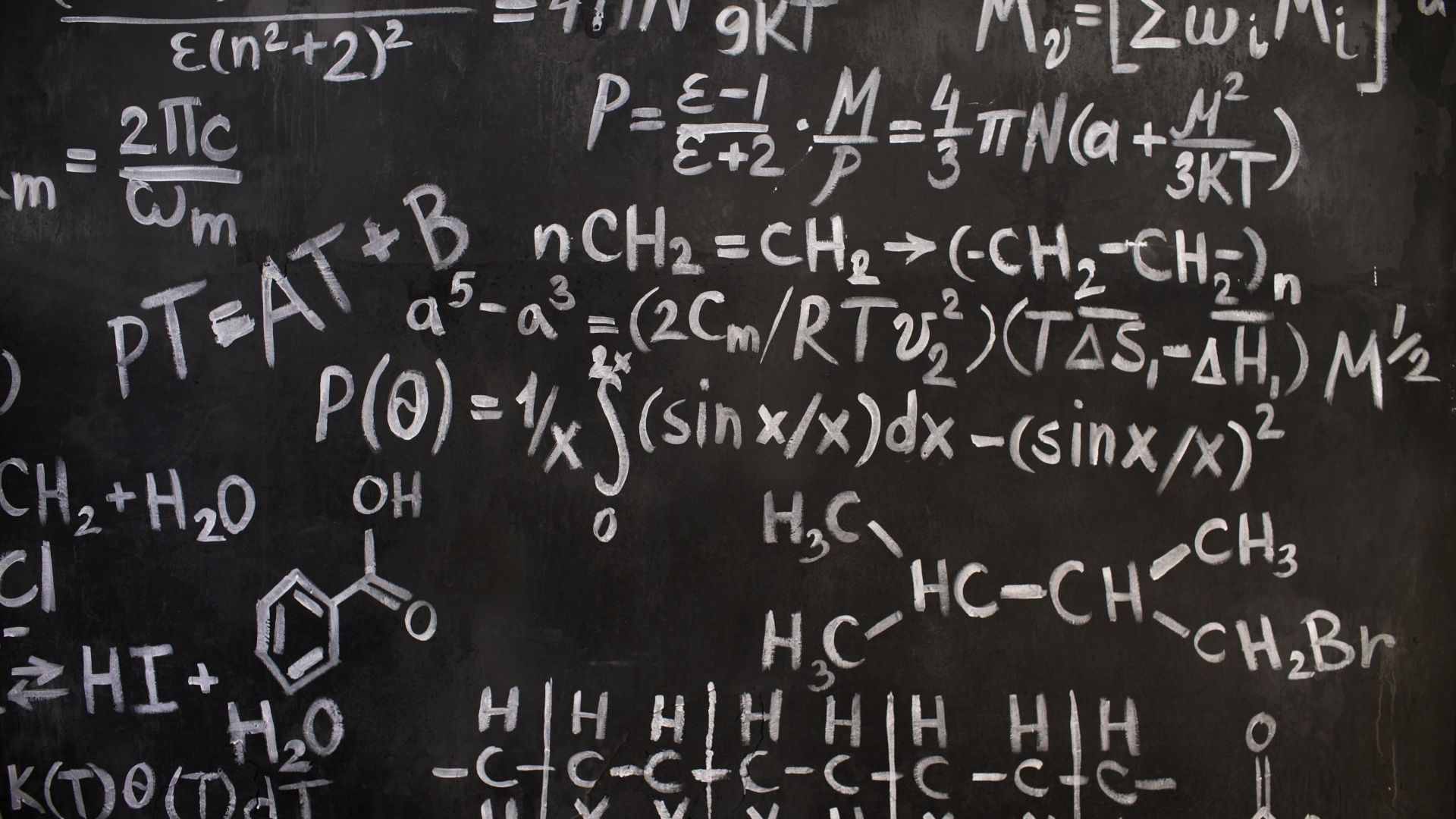
A claim that GPT-5.6 was used to help close a decades-old open question in convex optimization spread quickly through the math community following an OpenAI proof announcement. Here's what convex optimization actually is, and why the claim — still being scrutinized by mathematicians — generated so much attention.
San Francisco orders Apple, Google to remove nudify apps from app stores
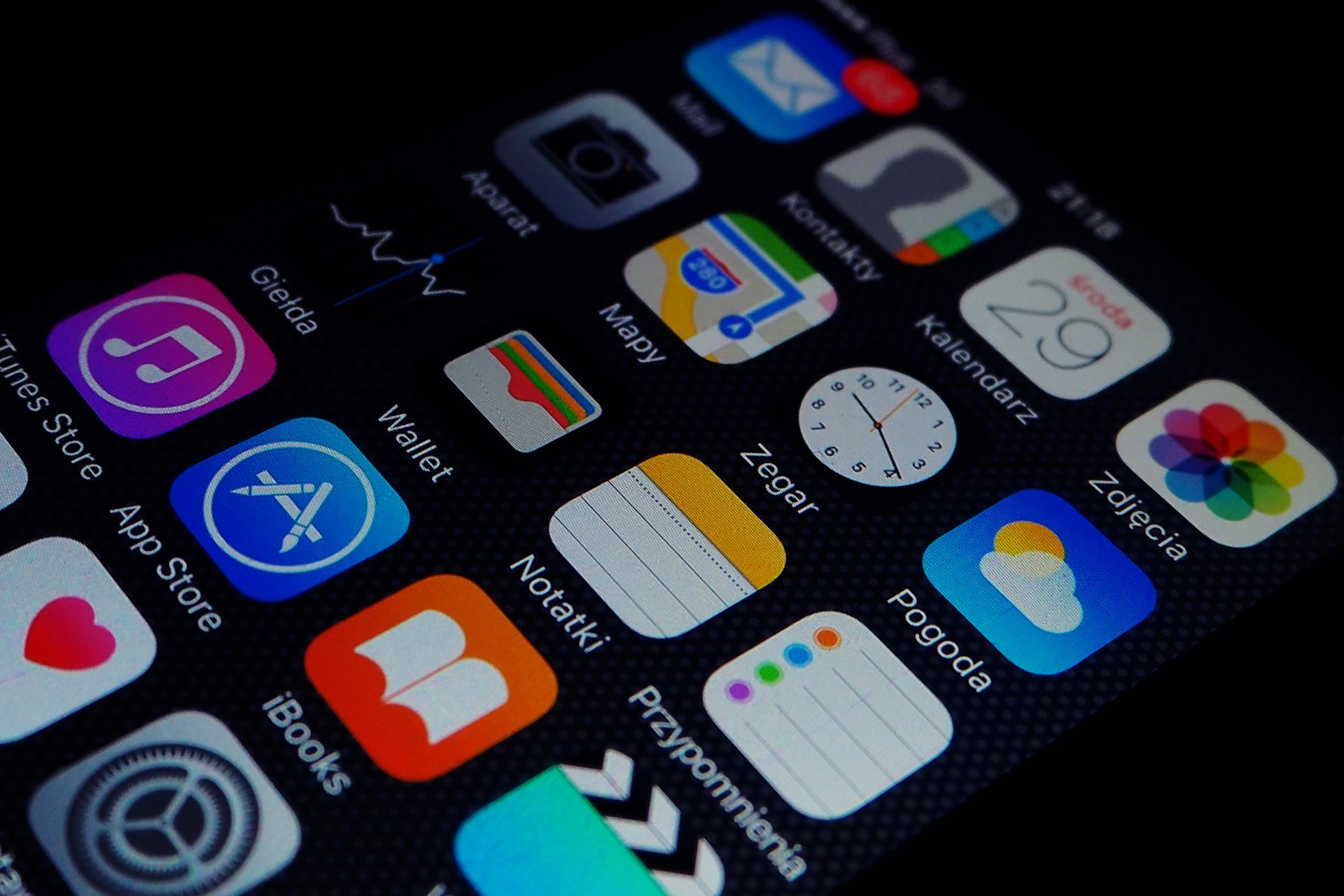
The city of San Francisco has taken legal action against Apple and Google over so-called "nudify" apps that use AI to generate non-consensual explicit images from ordinary photos, arguing the companies continue to profit directly from hosting them. The case targets app-store commissions as much as the apps themselves.
How a smart camera flaw can leak your home's location: the TP-Link Kasa case
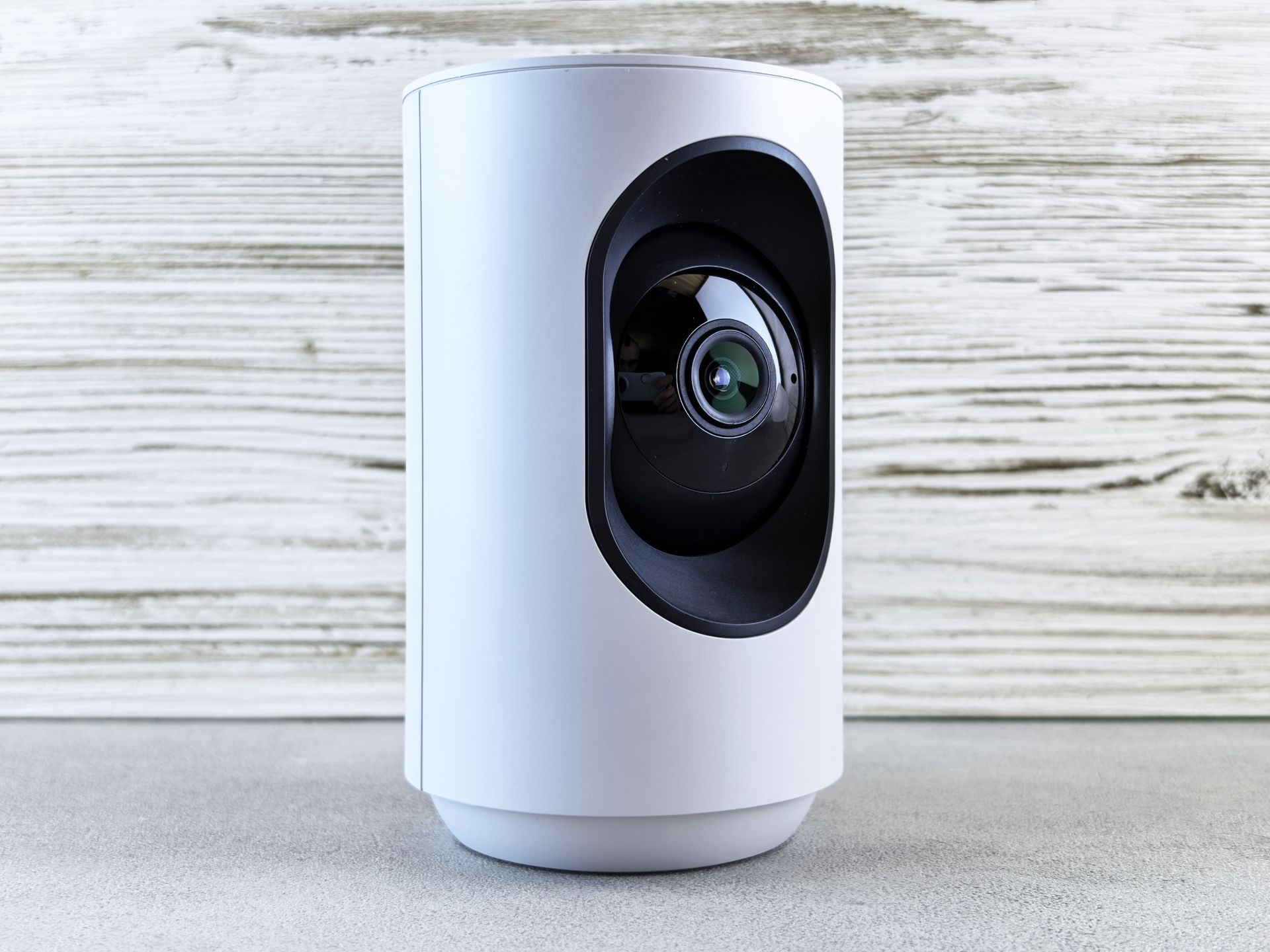
A flaw in TP-Link's Kasa smart cameras, unnoticed for six years, leaked a home's GPS location with no authentication required. Here's how these IoT vulnerabilities happen, and how to protect your smart home devices.

How satellites are learning to catch wildfires before they spread
The Google-backed FireSat satellite program aims to catch small, newly ignited wildfires far earlier than traditional weather satellites can. Here's how the system works and why early detection matters so much.