What is prior authorization, and can AI actually fix it?

In US healthcare, "prior authorization" is the process that requires an insurer to approve a treatment or medication before a doctor can proceed with it. It's officially meant to prevent unnecessary or excessively costly treatment, but the process has long been one of the most complained-about bureaucratic bottlenecks for patients and physicians alike — sometimes delaying the start of essential treatment by weeks.
Traditionally, prior authorization meant a doctor's office staff filling out forms and faxing or uploading them through a portal to the insurer, who would then have an employee manually review the request. The process was slow and inconsistent — the same treatment request could be judged differently depending on which employee reviewed it.
Now both insurers and health systems are deploying AI on opposite ends of the same process. On the insurer's side, AI quickly screens incoming requests and approves or denies them against predefined criteria. On the hospital's side, AI helps doctors phrase their requests in the way most likely to match what the insurer's criteria are looking for.
That sets up an odd dynamic: both sides are now using AI against each other. Critics say this could create an "arms race" loop — as an insurer's AI grows stricter, hospitals' AI grows more aggressive at tailoring requests to fit those exact criteria.
Supporters argue automation can genuinely speed things up, at least for simple, routine cases. Rather than a human employee spending hours on a clear, standard treatment request, AI can process it in seconds — lowering the insurer's operating cost while potentially shortening the patient's wait.
But concerns concentrate on complex or borderline cases in particular. Whether an AI model can make the right call for a rare condition or an unusual combination of treatments remains uncertain. Patient advocacy groups worry that automatically denied requests, without human review, could delay patients' access to care.
Regulators are trying to close that gap: several US states now require that any denial issued by an AI system also be confirmed by a human reviewer. The goal is to capture the speed of automation while ensuring critical decisions aren't left entirely to an algorithm.
Health economists stress that the root of the problem isn't technology at all, but incentive structure: insurers are motivated to lower costs, hospitals to raise revenue. AI doesn't remove that underlying conflict of interest — it just lets both sides run it faster.
Some experts argue the real fix is political, not technological: narrowing the list of treatments that require prior authorization in the first place, or fully standardizing the process, could offer a far more durable solution than AI automation ever will.
For now, the question of whether AI will actually "fix" prior authorization remains genuinely open. The technology has the potential to make the process both faster and more adversarial at the same time — and which outcome ultimately wins out depends largely on how regulators choose to balance those two forces.
Read next
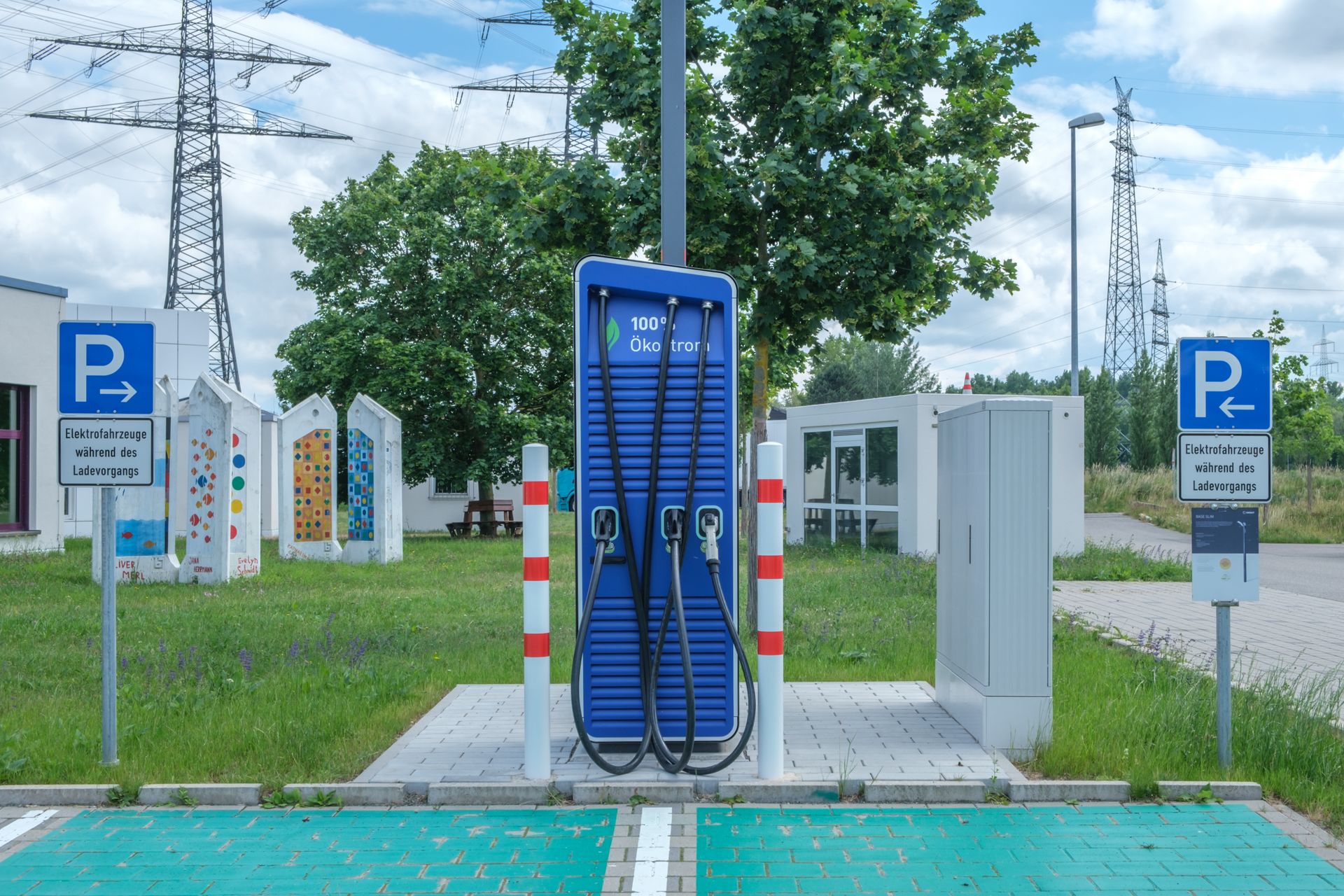
Does EV charging still suck? What a 600-mile road trip found
For years, charging was the single biggest headache of any long electric-vehicle road trip. Real-world charging data collected on a 600-mile road trip shows just how much that picture has changed — and where the friction still hasn't disappeared.

What is convex optimization, and did an AI really close a 30-year gap in it?
A claim that GPT-5.6 was used to help close a decades-old open question in convex optimization spread quickly through the math community following an OpenAI proof announcement. Here's what convex optimization actually is, and why the claim — still being scrutinized by mathematicians — generated so much attention.
San Francisco orders Apple, Google to remove nudify apps from app stores
The city of San Francisco has taken legal action against Apple and Google over so-called "nudify" apps that use AI to generate non-consensual explicit images from ordinary photos, arguing the companies continue to profit directly from hosting them. The case targets app-store commissions as much as the apps themselves.
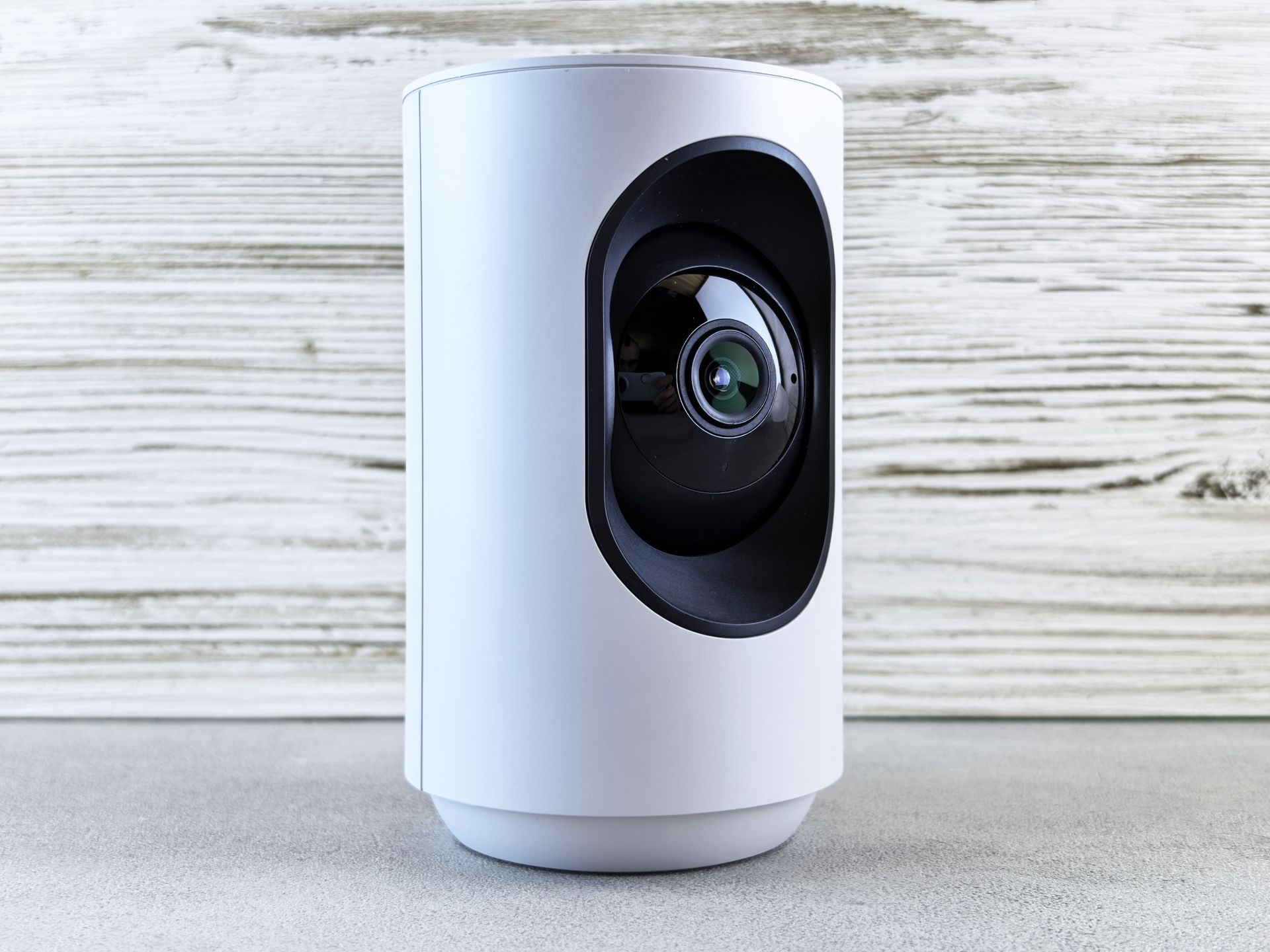
How a smart camera flaw can leak your home's location: the TP-Link Kasa case
A flaw in TP-Link's Kasa smart cameras, unnoticed for six years, leaked a home's GPS location with no authentication required. Here's how these IoT vulnerabilities happen, and how to protect your smart home devices.

How satellites are learning to catch wildfires before they spread
The Google-backed FireSat satellite program aims to catch small, newly ignited wildfires far earlier than traditional weather satellites can. Here's how the system works and why early detection matters so much.