What is convex optimization, and did an AI really close a 30-year gap in it?
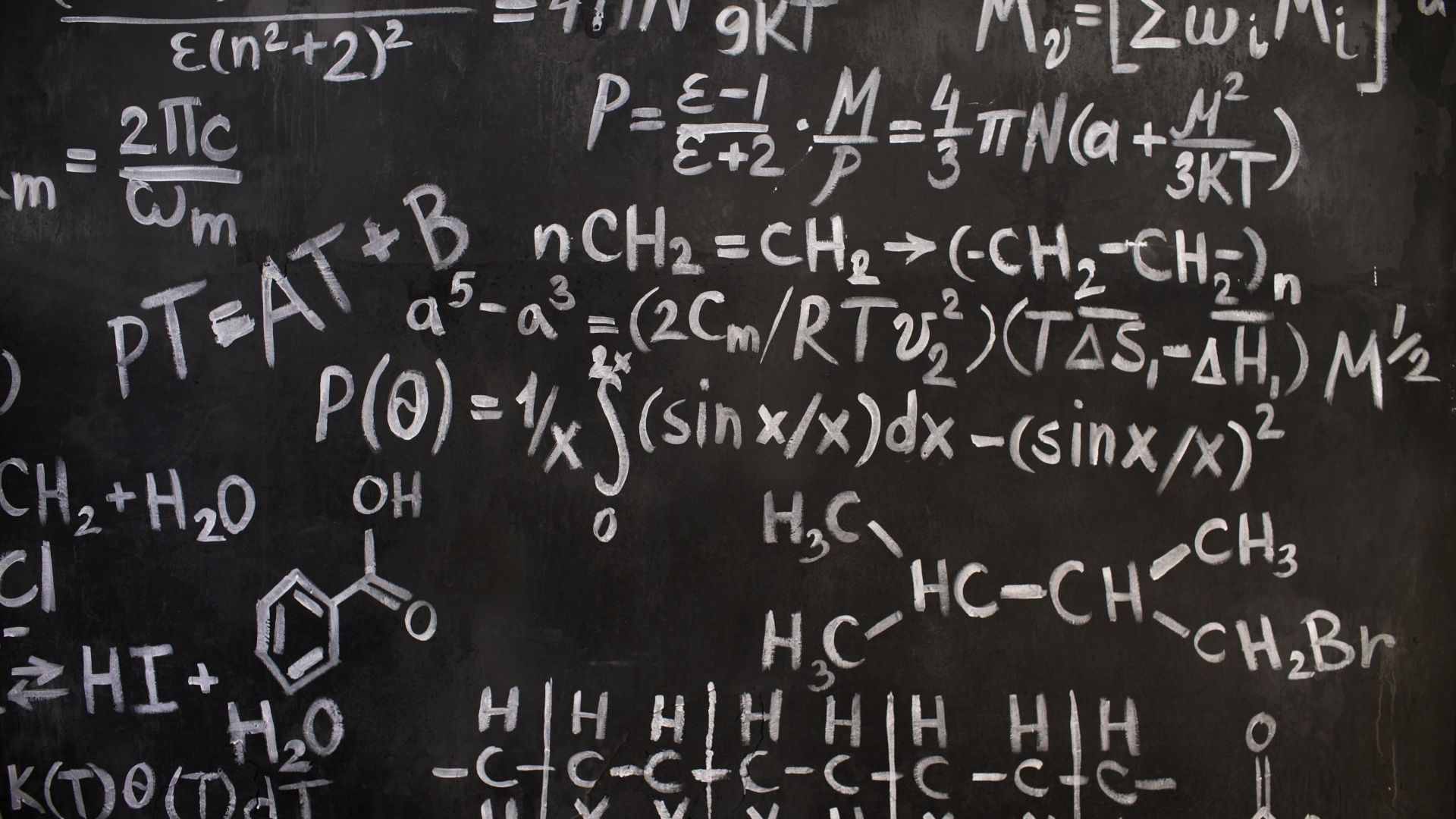
A discussion that spread quickly across math forums last week centered on a claim that GPT-5.6, following an OpenAI proof announcement, helped close a question in convex optimization that had gone unsolved for decades. While the claim awaits verification, the underlying topic — what convex optimization actually is, and why it matters — became a fresh point of curiosity for many people encountering it for the first time.
Convex optimization is one of the most practical branches of mathematics and computer science. Put simply, it deals with finding the best (smallest or largest) value of a function under certain constraints — but specifically in cases where the function is "convex," meaning its graph is shaped like a bowl. That shape guarantees mathematicians that a solution exists and has a single best point, which is precisely what makes the problem tractable.
Though the field sounds abstract, it shows up in nearly every corner of daily life. Training an AI model, planning a flight route, balancing an investment portfolio, managing an electrical grid — all of these can, at their core, be reduced to a convex optimization problem. How efficiently such problems can be solved directly shapes how well those systems perform.
But some corners of convex optimization remain genuinely open. For certain classes of problems, exactly how fast a solution can theoretically be reached has occupied mathematicians for decades. The claim spreading on social media concerns exactly this kind of bound — an upper or lower limit that had resisted proof for years, reportedly closed by a proof sketch generated with the help of an AI model.
Mathematicians tend to approach such announcements cautiously, because an AI-generated proof sketch remains just a claim until it's formally verified. In the past, automatically generated proofs that looked convincing at first glance have, on closer inspection, turned out to contain subtle logical errors.
Still, the episode itself illustrates how the role of AI models in mathematical research has shifted. A few years ago, such models could mostly reproduce known theorems or handle straightforward calculations; now researchers increasingly use them as a kind of research collaborator, proposing proof sketches or strategies for genuinely unsolved problems.
Behind that shift is an improvement in models' ability to follow long, multi-step chains of logical reasoning more consistently. Mathematicians stress that what matters isn't whether a model "knows" the right answer, but whether it can generate, step by step, the logical chain that actually leads there.
Part of the math community believes tools like this could fundamentally change how open problems are approached in the future — a future where an AI might suggest a proof path a human researcher had overlooked. Others counter that formal verification should still remain firmly in human mathematicians' hands, since there's a meaningful gap between a proof "looking correct" and actually being correct.
Whether the claim holds up will become clear over the coming weeks, as experts in the field work through the proof sketch line by line. In mathematics, that process often takes months, sometimes years.
Whatever the outcome, the episode has reminded a wide audience just how central an apparently abstract field like convex optimization actually is — and how quickly AI's role in mathematical research is changing.
Read next

What is prior authorization, and can AI actually fix it?
Prior authorization — one of the most hated bottlenecks in US healthcare — is now being automated with AI by both insurers and hospitals. But experts warn the same technology that promises to speed up approvals could just as easily make the standoff between the two sides worse.
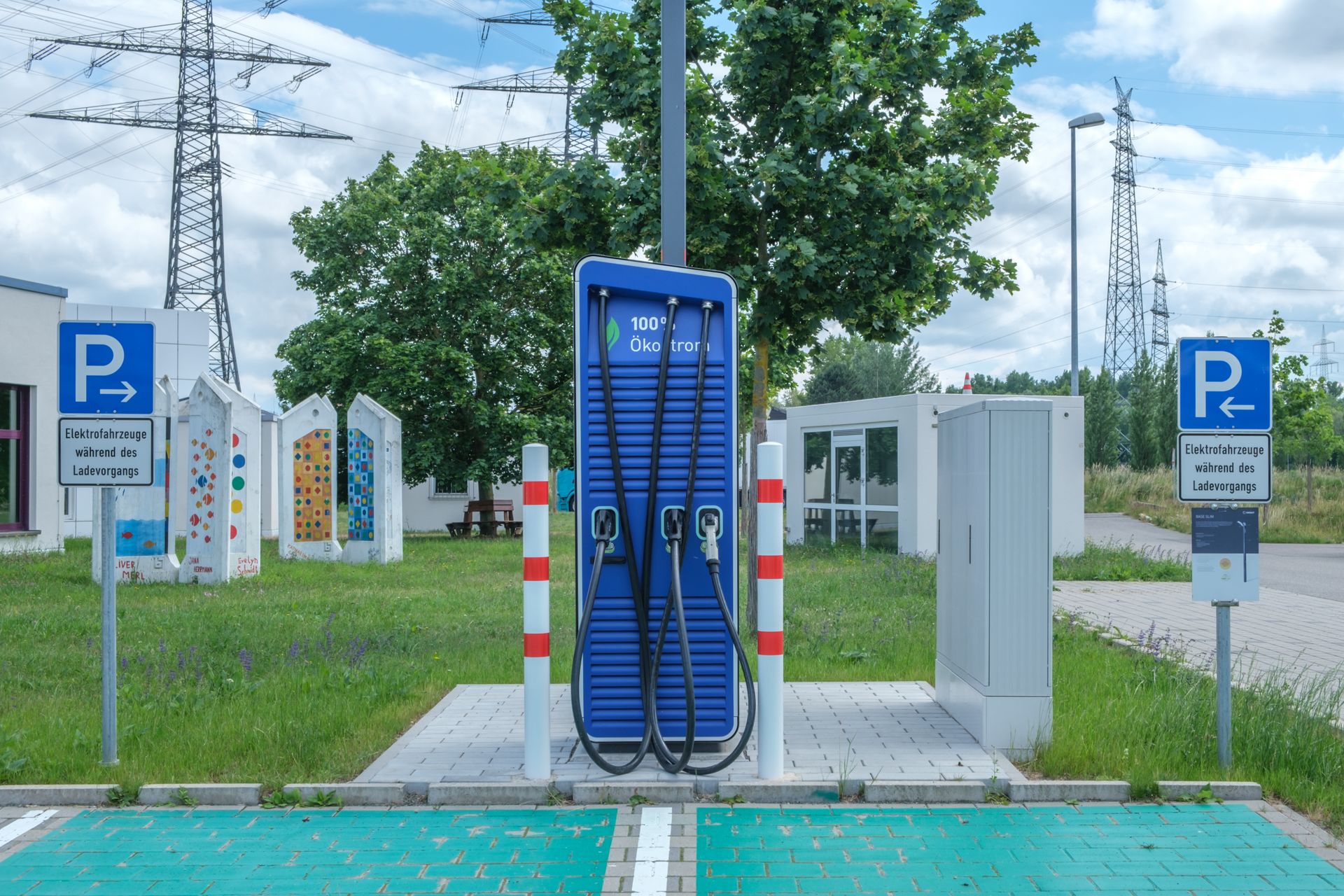
Does EV charging still suck? What a 600-mile road trip found
For years, charging was the single biggest headache of any long electric-vehicle road trip. Real-world charging data collected on a 600-mile road trip shows just how much that picture has changed — and where the friction still hasn't disappeared.

San Francisco orders Apple, Google to remove nudify apps from app stores
The city of San Francisco has taken legal action against Apple and Google over so-called "nudify" apps that use AI to generate non-consensual explicit images from ordinary photos, arguing the companies continue to profit directly from hosting them. The case targets app-store commissions as much as the apps themselves.
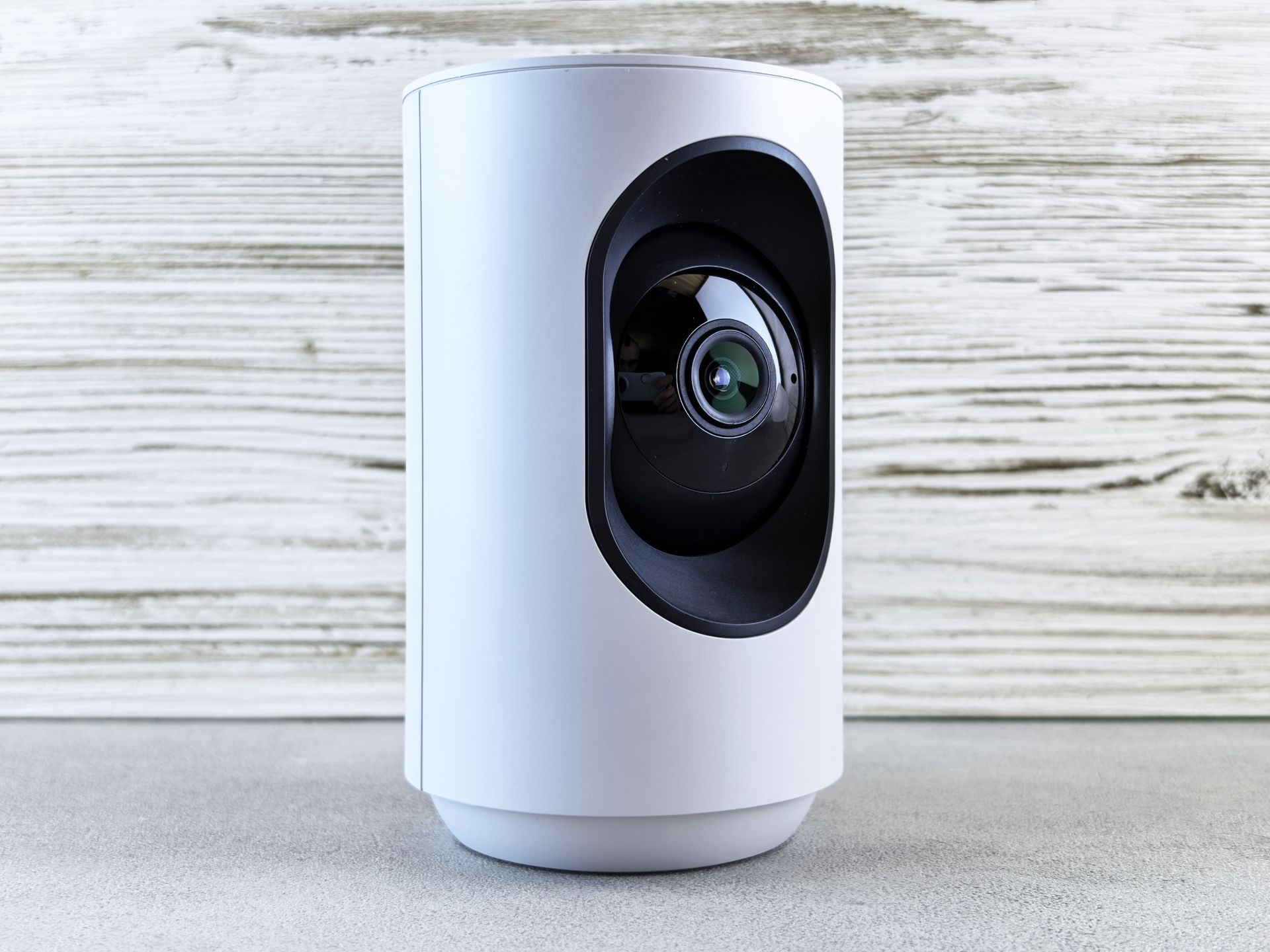
How a smart camera flaw can leak your home's location: the TP-Link Kasa case
A flaw in TP-Link's Kasa smart cameras, unnoticed for six years, leaked a home's GPS location with no authentication required. Here's how these IoT vulnerabilities happen, and how to protect your smart home devices.

How satellites are learning to catch wildfires before they spread
The Google-backed FireSat satellite program aims to catch small, newly ignited wildfires far earlier than traditional weather satellites can. Here's how the system works and why early detection matters so much.