Alphabet's record-breaking $85 billion raise is the strongest signal for Google's AI business
Alphabet has completed one of the largest corporate stock sales in the history of the US markets. According to TechCrunch, Google's parent company came to market with a new $85 billion equity offering to fund its artificial intelligence business unit, and the offering was fully subscribed within a few hours. That figure represents the largest amount Alphabet has raised in a single transaction.
Goldman Sachs, Morgan Stanley and JP Morgan acted as the principal underwriters of the offering. The three banks reported that demand reached roughly three times the size of the issuance. That book-build ratio is recorded as the highest demand-to-supply level among S&P 500 offerings in this season.
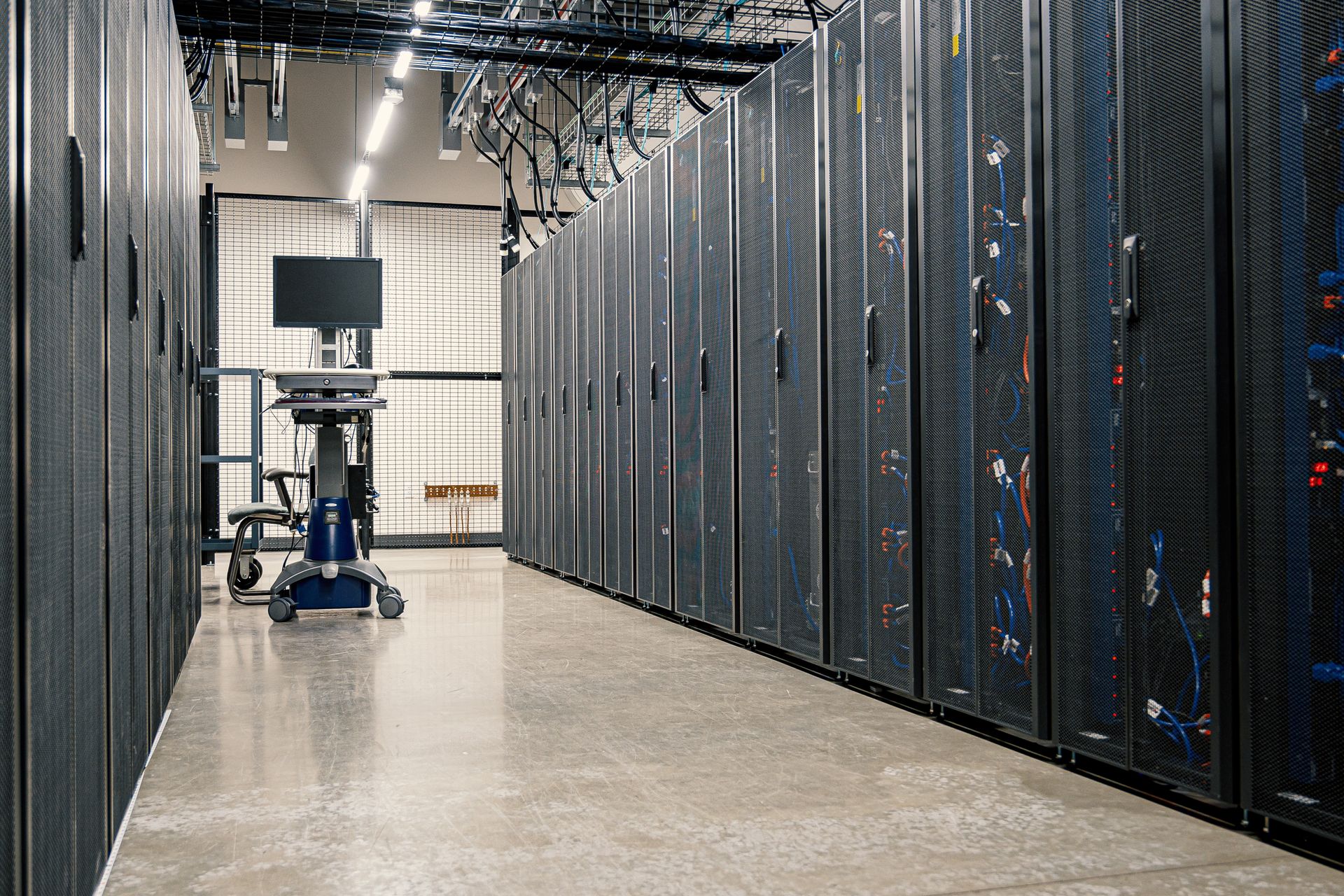
Alphabet announced that a substantial share of the proceeds would be allocated to expanding Google Cloud infrastructure. The company said it will build 12 new data centres in Europe, Asia and South America by the end of 2027. The data centres, the company stressed, are designed to fully support AI training and inference workloads at capacity.
According to TechCrunch's conversations with investment analysts, Alphabet's strategy is being read as a major counter-move following recent capital calls of more than $60 billion in total by rivals such as OpenAI, Anthropic and Mistral. The density of the AI funding market signals the start of a new wave entering the current Series E funding cycle.
Morningstar's lead equity analyst Ali Mogharabi told TechCrunch that 'Alphabet's offering has lifted the AI investment bar; coming ahead of an earnings release, it also reflects internal confidence'. Mogharabi added that Google Cloud's AI-driven revenue has grown by more than 50 percent year on year for the past three quarters.
Google CEO Sundar Pichai said in the offering statement that 'this capital raise represents a strategic investment dedicated not only to growth but also to AI fundamental research, applied work and the continuous improvement of customer services'. Pichai added that part of the investment would be allocated to greening the energy infrastructure.
There are dissenting views. Bloomberg Intelligence AI sector analyst Mandeep Singh said 'an offering as large as Alphabet's $85 billion could also signal that the market is approaching overheating; historically a research investment on this scale is associated with cycles in which revenue conversion takes 18 to 24 months'.
The officials at the US Securities and Exchange Commission (SEC) reviewing the offering filings published the disclosed risk factors. The risk assessment singled out 'regulatory uncertainties created by AI models', 'fluctuations in energy supply' and 'variability in competitive market entry barriers'. That risk list was, it was reported, extended by the SEC specifically at Alphabet's request.
Alphabet's strategic investment portfolio covers Google Cloud and the in-house Gemini family. The DeepMind research arm of the company said it would receive roughly 35 percent of the offering's proceeds for its own Series 5 research work. The new Gemini Omni model and the Gemma 4 open-source model were improving on technical benchmarks at the time the offering was announced.
For investors, Alphabet's shares have gained 4.2 percent since the offering, more than three times the performance of the S&P 500 over the same period. TechCrunch's coverage emphasises that the offering is not only a financing instrument but also a measure of the market's confidence in the AI business model. Whether the features of upcoming investor calls follow the Alphabet model will be the principal question to watch in the autumn months.
More from Tech

Failing grades climb in Berkeley computer science classes as AI usage rises
According to a report in The Daily Californian highlighted by Hacker News, computer science professors at UC Berkeley say they are observing a weakening in students' mathematics skills and a clear rise in failing grades tied to AI usage.
Microsoft, Atom Computing and EeroQ publish new progress updates on quantum computing
According to Ars Technica, the quantum computing companies Microsoft, Atom Computing and EeroQ have published new progress updates in recent weeks. These updates reflect technical steps in qubit stability, error correction and system scaling.

Nintendo confirms a Switch 2 with a replaceable battery for the EU
According to The Verge, Nintendo has announced that EU versions of its Switch 2 hardware will feature replaceable batteries, in order to comply with an EU battery regulation taking effect in February 2027. The move reflects a priority shift in the portable gaming console market.