Using Google trains its AI: what changed in your privacy settings and how to opt out
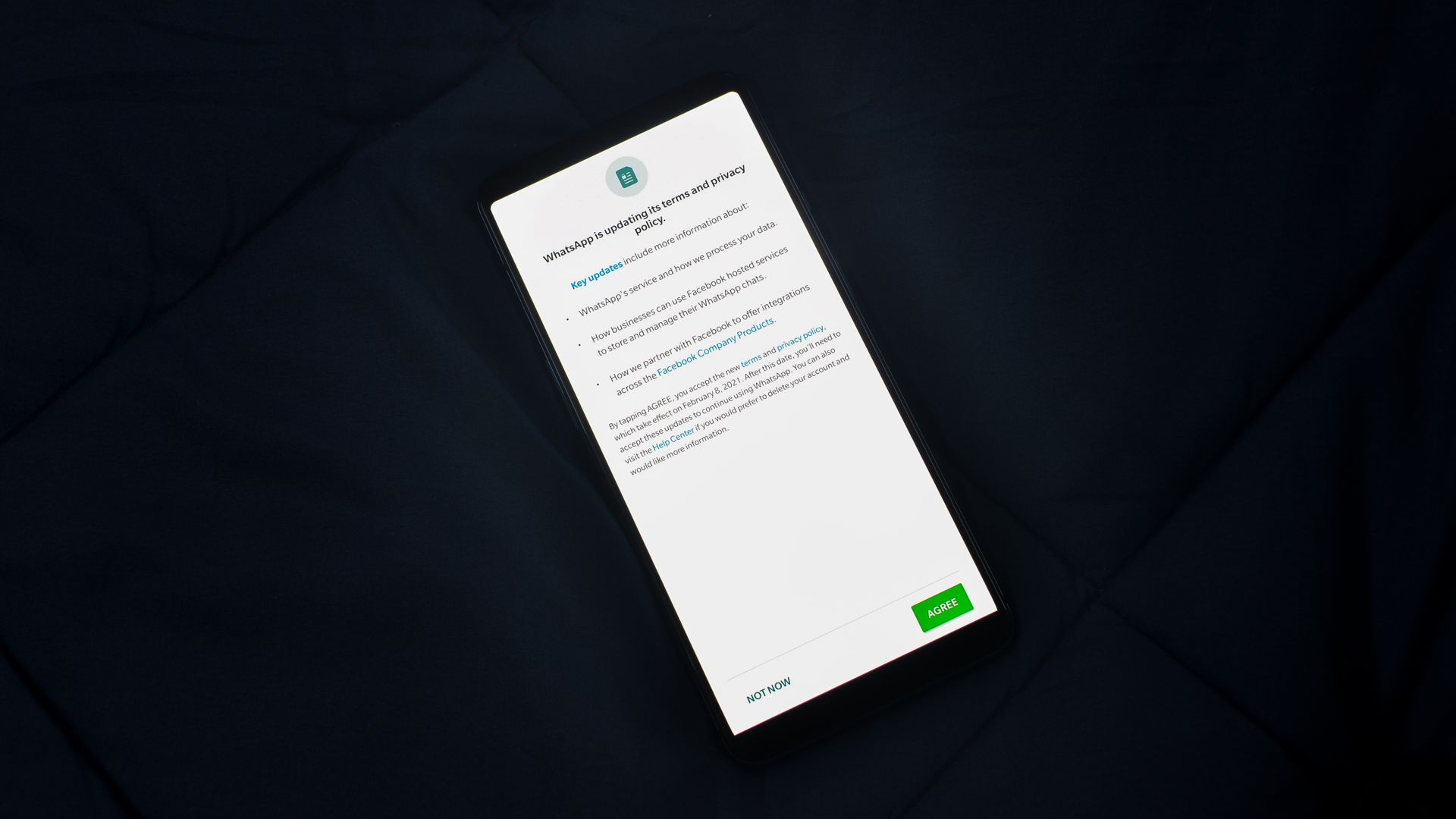
If you use Google's products, your activity may now be helping to train the company's artificial intelligence, and many users will not have noticed. According to TechCrunch, a recent change to Google's privacy settings allows the company to store more of your data than before, including information that can feed its AI systems. The report frames it as a belated public-service reminder, along with a walkthrough of how to opt out for those who would prefer not to participate.
The shift reflects a broader pattern across the technology industry. Building and improving AI models requires enormous quantities of data, and the interactions people have with everyday services, searches, clicks, typed queries and more, are a valuable source. As companies race to make their AI more capable, the data generated by ordinary use has become a strategic asset, and default settings increasingly reflect that priority.
What makes the change notable is not that Google collects data, which it has always done, but that the adjustment happened quietly and expands what is retained. Privacy advocates have long criticised the practice of shifting defaults in ways that favour data collection, because most people never change default settings. A setting that opts users in by default, they argue, effectively enrolls the large majority who never look.
The practical response, TechCrunch notes, is that users can opt out, but doing so requires actively navigating account settings. The controls governing what Google stores and how it is used sit within the privacy and data sections of a Google account, and adjusting them lets users limit the activity that is saved. The exact steps involve reviewing activity controls and turning off or restricting the relevant data-retention options.
For readers who want to act, the general approach is consistent across Google's services. Signing in to a Google account and opening the data and privacy settings reveals controls for web and app activity, location history and other categories. Turning these off, or setting them to auto-delete after a defined period, reduces how much is stored. Users can also review and delete data that has already been collected.
It is worth understanding the trade-offs. Some data collection genuinely improves the services people rely on, personalised results, smoother autocomplete, more relevant recommendations. Opting out of everything can make certain features less tailored. The point is not that all data use is harmful, but that users should be able to make an informed choice rather than have it made for them by a default they never saw.
The episode also highlights a growing tension between the AI ambitions of large technology companies and the privacy expectations of their users. As firms lean on user data to train competitive models, the question of consent becomes sharper. Regulators in several regions have begun scrutinising how companies obtain and use data for AI, and default-on settings are exactly the kind of practice that draws attention.
For most people, the immediate takeaway is simple and actionable: it is worth spending a few minutes reviewing your Google privacy settings, because the defaults may not reflect what you would choose. Whether or not you decide to opt out, understanding what is collected and having the controls in view puts the decision back in your hands.
The broader lesson extends beyond Google. Similar dynamics apply across many services that now use customer data to train AI, and the same principle holds: defaults are set by companies, but the choice, where it is offered, belongs to the user. Periodically reviewing privacy settings across the services you use is becoming a basic piece of digital hygiene.
None of this requires technical expertise. The controls are designed to be accessible, even if they are not always prominent, and the process of reviewing them is straightforward once you know where to look. In an era when everyday activity increasingly fuels AI, knowing how to manage that flow is a small but meaningful form of control.
Read next

How to sequence your own DNA at home: what the technology can and cannot do
Sequencing your own DNA at home was once unthinkable, but affordable portable sequencers have brought it within reach of hobbyists. This explainer walks through how home DNA sequencing works, what it can reveal, and the real limits and caveats behind the do-it-yourself genomics trend.

What is the oldest American object ever launched into space? A history of relics that reached orbit
Astronauts have long carried historic artifacts into orbit, from flags to fragments of the past. Ars Technica traces the surprising history of the oldest pieces of Americana ever flown in space, a tradition that blends symbolism, sentiment and a dash of showmanship.

FCC moves to scrap the rule that forces internet providers to list all their fees
The US Federal Communications Commission plans to end a rule requiring internet service providers to itemize every fee on standardized broadband labels, according to Ars Technica. Providers would instead be allowed to advertise a single 'up to' price, a change consumer advocates say could obscure the true cost of service.

The 'first' AI-run ransomware attack still needed a human, new details show
An AI agent carried out the technical execution of a real-world ransomware attack for the first known time, according to TechCrunch, but new details show a human still directed key parts of the operation. The case highlights both how far attack automation has come and its current limits.

Does code cleanliness affect AI coding agents? What a new study asks
Programmers have long argued that clean, well-organised code is easier to work with. A new research paper asks whether the same holds for AI coding agents, testing if messy code makes the software assistants now writing code perform worse. Here is why the question matters.