Lebanese in the south refuse to flee again despite escalating Israeli strikes
Many residents of villages in southern Lebanon say they will not abandon their homes again despite a recent escalation in Israeli air strikes. Local officials report rising civilian casualties and infrastructure damage.

Many residents of villages along Lebanon's southern border say they will not abandon their homes again despite an intensification of Israeli air strikes in recent weeks. Village heads speaking to Al Jazeera said that after years of successive displacement, the economic and emotional cost of leaving had become too high.
Lebanon's health ministry said the number of people killed in strikes in the border area had risen in the past 24 hours. The United Nations renewed its calls for civilians to be protected; the Israeli military said in a statement that it had hit Hezbollah-linked infrastructure.
Local agriculture in the south consists mainly of olive and tobacco harvesting, which has been hit since the strikes resumed. The United Nations Interim Force in Lebanon (UNIFIL) said it had increased patrols in the affected area.
More from Middle East
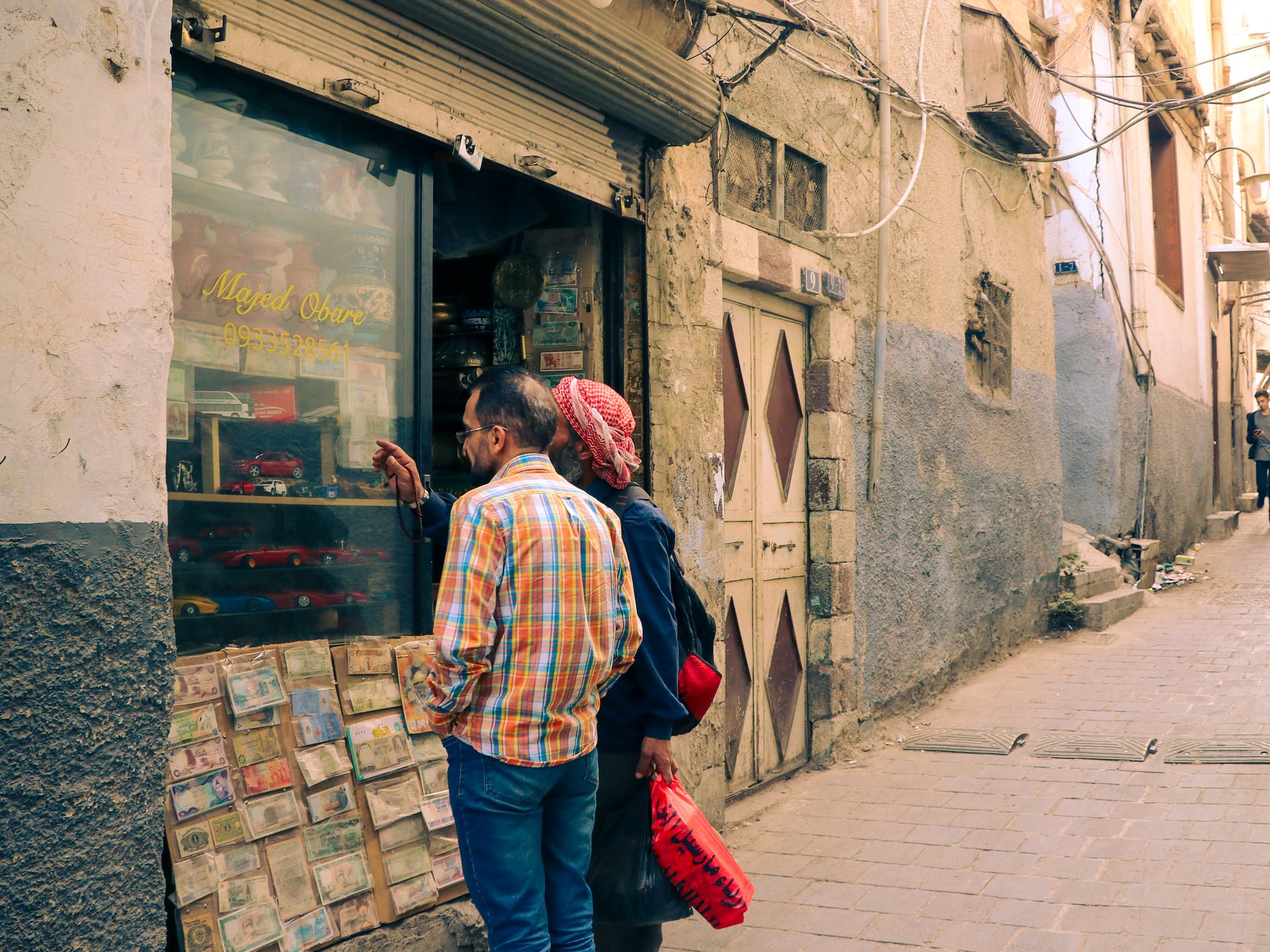
Syria restores credit card payments in effort to rejoin the global economy
Syria has reactivated payments through international credit cards. The step is seen as a turning point in efforts to reconnect the country's economy to the global financial system.

Iranian Nobel laureate Narges Mohammadi granted bail and hospital transfer
Iranian authorities have granted bail to Nobel Peace Prize laureate Narges Mohammadi and transferred her to hospital, the BBC reports, amid mounting concerns over her deteriorating health in prison and growing international pressure.

Bowen: Strait of Hormuz standoff raises risk of sliding back into all-out war
BBC correspondent Jeremy Bowen warns that the US and Iran's mutual pressure in the Strait of Hormuz has put the fragile ceasefire at serious jeopardy, risking a return to full-scale conflict.