Australia puts 'silent killer' chemical exposure limits on hold despite expert advice
The workplace exposure limits for 35 industrial chemicals that Safe Work Australia was due to apply by the start of 2027 have been delayed by a federal cabinet approval process. Trade union ACTU condemned the move for putting the health of 280,000 workers at risk.
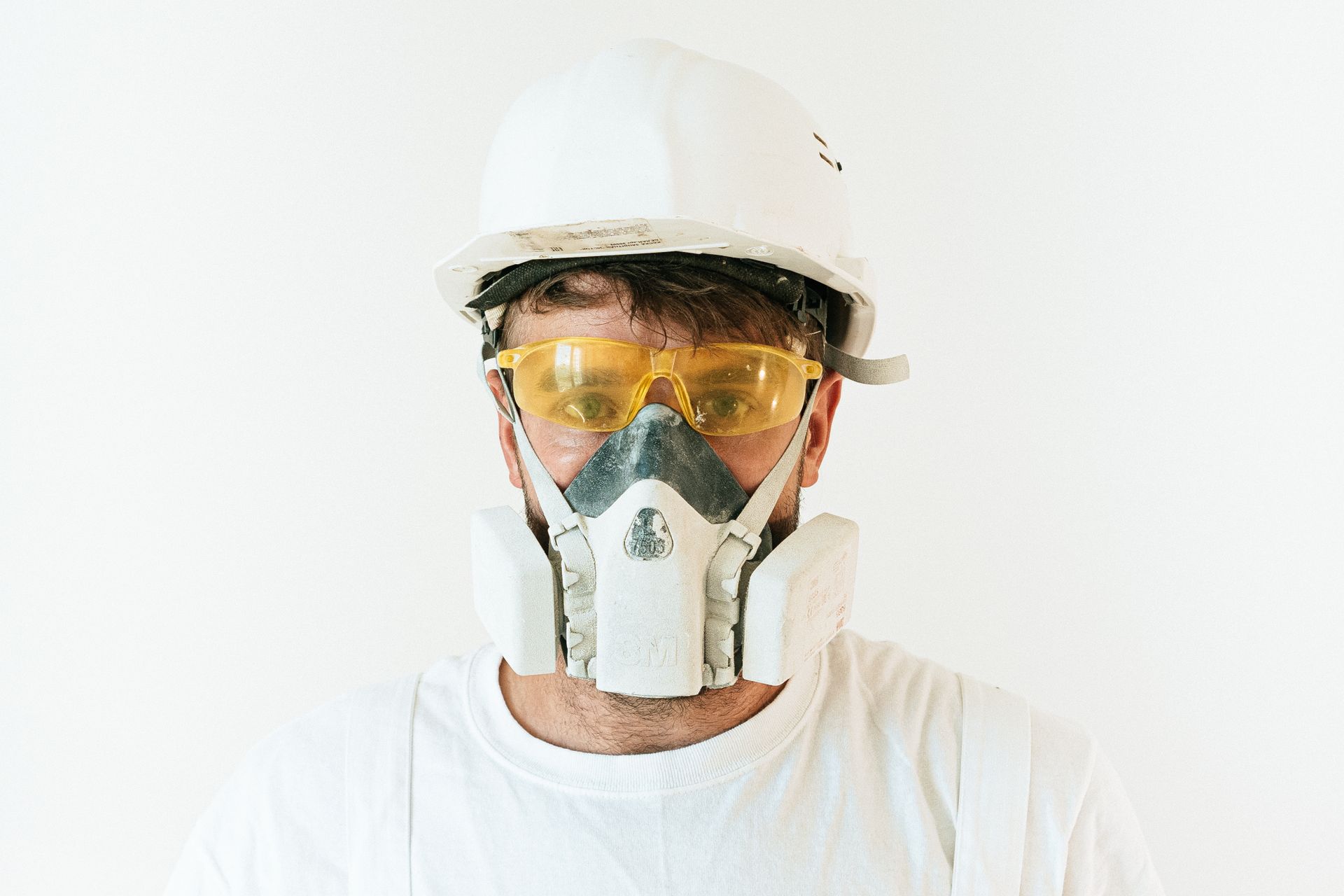
Safe Work Australia's advisory board had revised exposure limits for 35 substances including coal dust, silica, formaldehyde and diesel-exhaust emissions following years of scientific review, with an effective date set for 1 January 2027. Federal Employment Minister Murray Watt said on Tuesday the decision had been postponed « until economic-impact assessment is complete. »
If the limits do not take effect, current workplace exposure thresholds will remain at levels set thirty years ago and will not reflect the latest scientific evidence observed worldwide. Australian Council of Trade Unions general secretary Sally McManus said: « this delay shows indifference to clear scientific evidence and endangers the health of 280,000 workers. »
The Mining and Construction Employers Federation backed the delay, saying « broad stakeholder consultation on the workability of the new limits is needed. » Watt said the cabinet will take a fresh decision in early September and that 28 million Australian dollars will be allocated for transition advisory services for the 12,400 affected workplaces.
Read next

Australian minister won't commit to delaying NDIS exit if supports aren't ready
The minister responsible for Australia's National Disability Insurance Scheme, Jenny McAllister, would not say whether the government will delay participants' exit from the scheme if foundational supports are not ready, but insisted the government will not leave people in freefall.

Luigi Mangione pleads guilty to killing UnitedHealthcare CEO

Hurricane Lala leaves thousands without power in Hawaii

New commissioner takes on task of reforming culture at Australia's Defence Force