Memory chip makers head into 'supercycle' as stocks jump 30% in a week
Wall Street analysts say AI data-center orders are pulling DRAM and NAND markets into a multi-year supercycle. SK Hynix, Micron and Samsung shares have jumped as much as 30% in the past week alone. With supply tight, contract prices could stay elevated well into 2027.
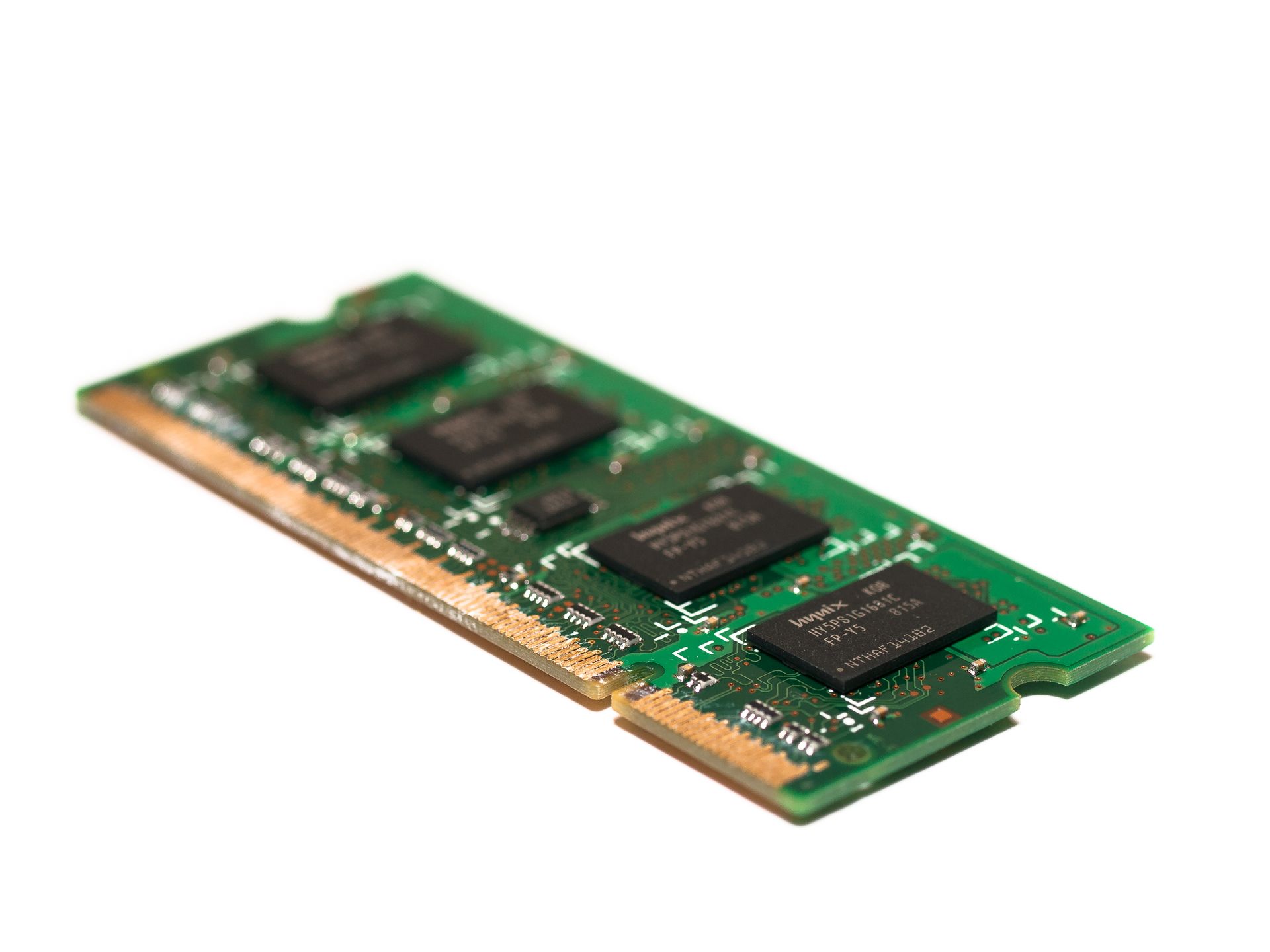
Memory chip stocks are rallying on the back of an unprecedented demand wave from AI data centers, with Wall Street analysts now openly using the word 'supercycle.' Bank of America, Morgan Stanley and Citi all argue that tight DRAM and NAND supply conditions will persist for at least two years.
SK Hynix shares are up about 30% in the past week, with Micron and Samsung Electronics not far behind. Hyperscaler capex on AI infrastructure is forecast to stay elevated through 2027, handing memory makers unusually wide profit margins as contract prices reset higher each quarter.
On the supply side, years of postponed fab investment and a difficult technology transition to HBM3E and HBM4 are deepening the bottleneck. Analysts say there is room for memory equities to run further, though the same dynamic threatens to squeeze margins at downstream buyers, including server makers and cloud providers.
More from North America

Goldman warns Big Tech's AI bill is squeezing S&P 500 buybacks
Goldman Sachs expects S&P 500 share buybacks to grow only 3% this year, citing the cost burden of AI infrastructure and a softer macro backdrop. Big Tech's capex commitments are forcing companies to rethink shareholder payouts, the bank said.

Iran sends response to US war-ending proposal via Pakistan
Iran has delivered its response to the US war-ending proposal through Pakistani mediators, state agency IRNA reported. According to Tehran's framework, talks would focus exclusively on halting hostilities in the region.

Tanker crosses Strait of Hormuz as Washington awaits Iran's response
An LNG tanker crossed the Strait of Hormuz for the first time since the recent Iran clash, offering a psychological reprieve for energy markets as Washington waits on Tehran's reply to its peace proposal. The White House is trying to keep the ceasefire framework alive while crude prices stay cautious.