HS2 costs could top £100bn and trains will be slower than first planned
Britain's HS2 high-speed rail project could end up costing more than £100 billion, the company said. Trains will also run at 320 km/h instead of the original 360 km/h target. The project is blaming delays on renegotiated subcontractor contracts.
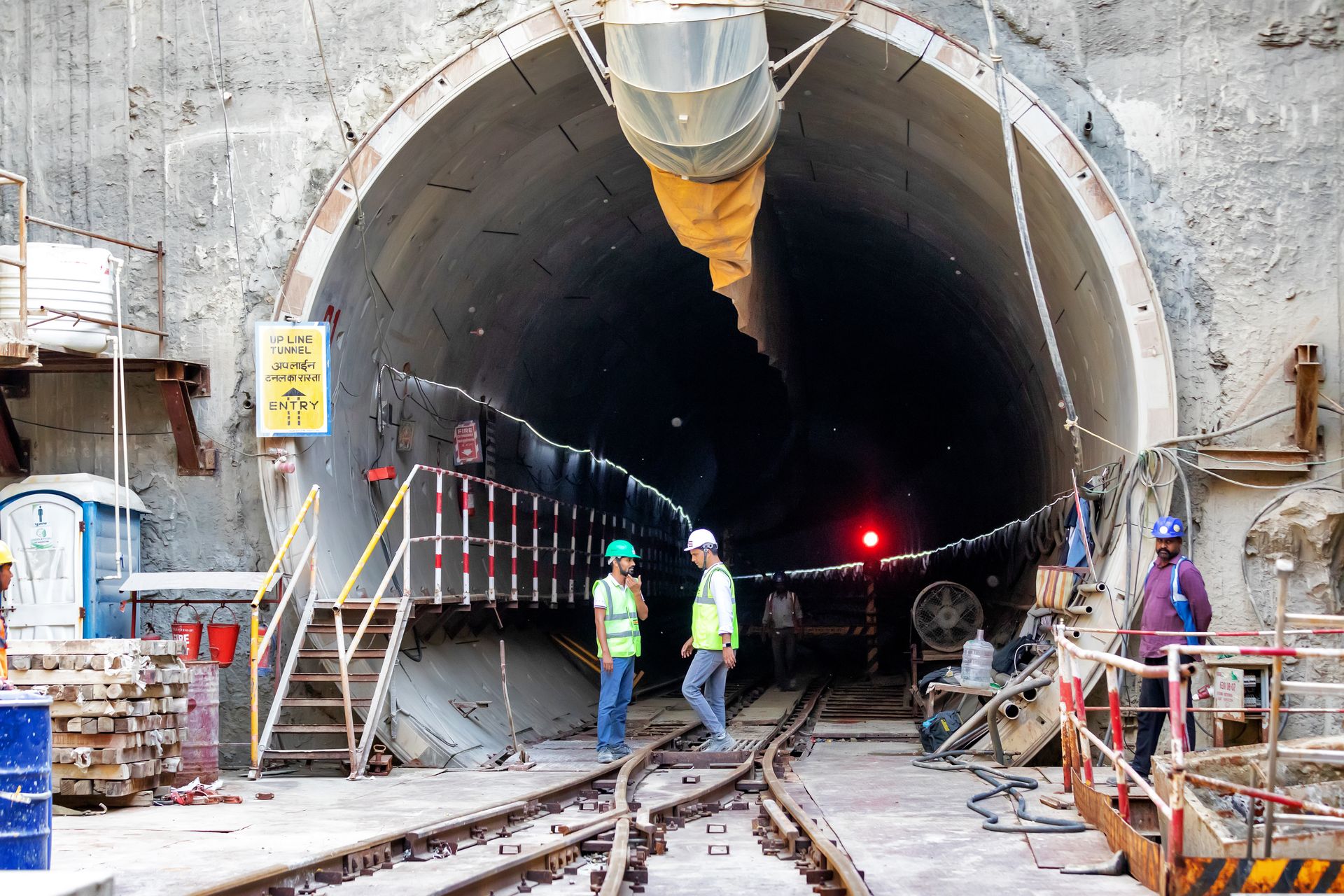
Britain's HS2 high-speed rail project, intended to link London and Birmingham, could end up costing more than £100 billion. According to the BBC, HS2 Ltd, the state-backed company running the scheme, set the latest cost range at £97-104 billion in 2025 prices. That is around five times the original 2012 estimate.
The trains, initially designed to run at 360 km/h, will now be limited to 320 km/h. The company is defending the change on the grounds of longer asset life and lower energy consumption. The new target window for the first phase to enter service has slipped to 2033-2035.
An independent review of the project cited overruns on three main fronts: London Euston station, signalling, and tunnelling subcontractor agreements. Transport Secretary Heidi Alexander told the BBC that the government is now reviewing options to restructure project financing.
More from Europe

UK waters down new Russian oil sanctions as fuel prices rise
The UK government has scaled back a new sanctions package targeting Russia's oil revenues, citing consumer pressure from rising fuel prices linked to the Iran war. Exceptions to the oil price cap mechanism have been widened.

Turkish Defence Ministry announces mobilisation drill to test plans and procedures
Turkey's Defence Ministry said it will run a nationwide mobilisation drill to test plans and procedures. The exercise aims to strengthen interagency coordination and assess operational readiness, the ministry said.
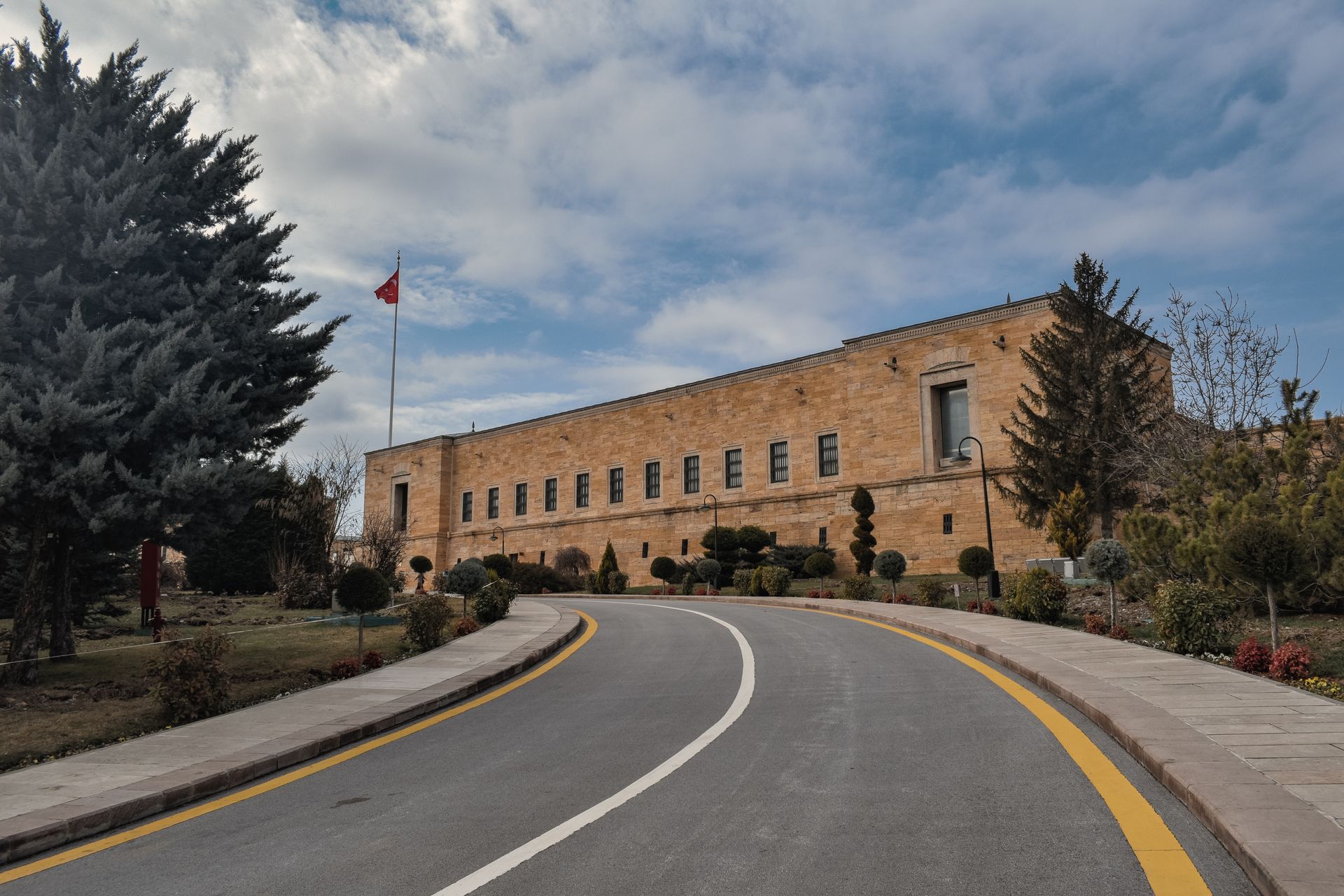
NATO Deputy Secretary General Shekerinska calls Türkiye an invaluable ally
NATO Deputy Secretary General Radmila Shekerinska described Türkiye as an "invaluable ally" for the alliance during her contacts in Ankara. She emphasised the importance of Türkiye's deterrence contribution on the southern flank and its defence industry capacity.