Family travels 850 km so their autistic son can have a haircut
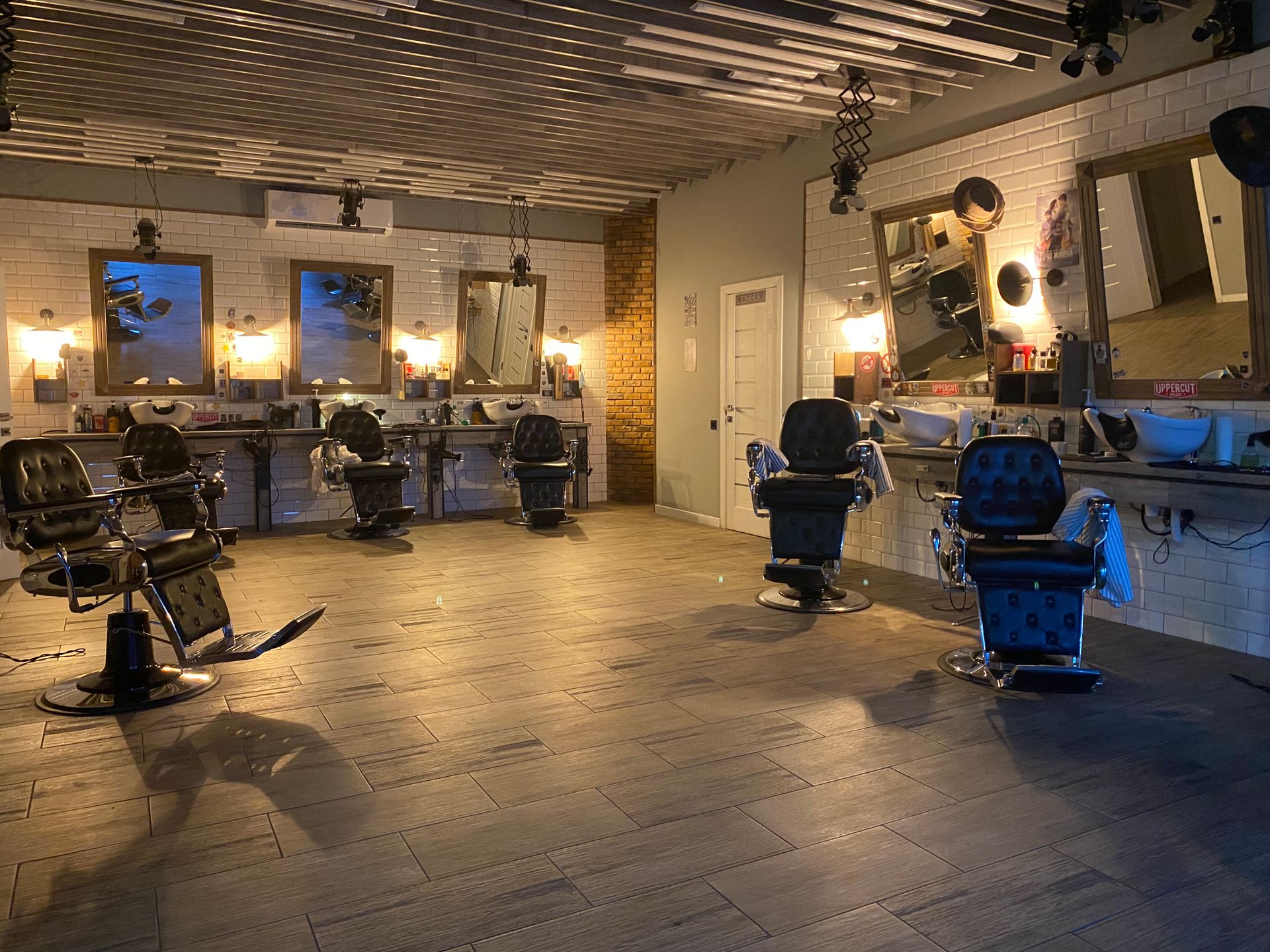
The Hooper family from Cornwall travels more than 850 km each time so their eight-year-old son Theo can have a calm haircut. According to the BBC, Theo has profound autism and sensory sensitivities that mean the environment of most barbershops is overwhelming for him.
After years of trying to cut their son's hair at home, the family found a barber near Birmingham who specialises in serving children with neurodevelopmental differences. "The first time, Theo sat in the chair, heard the scissors, and didn't cry. For us that was an indescribable moment," said his mother Sarah Hooper.
Sensory-friendly barbershops favour low lighting, a quiet room, shorter appointments and a step-by-step routine built from photo prompts sent to the family in advance. Some also offer alternatives to scissors, such as hand-tidying or quiet clippers; all are designed to reduce the sensory load.
According to the National Autistic Society, about 700,000 adults and children in the UK have an autism diagnosis, with children accounting for around 200,000. Many families say everyday routines such as haircuts, dental visits and trying on clothes are major sources of stress.
A 2024 study from Cardiff University found that more than half of autistic children cried or ran away during their first salon visit because of sensory overload. The same study found that 64% of parents had delayed regular haircuts and tried to do them at home.
Becky Adams, the barber chosen by the Hoopers, told the BBC: "Getting our kids' hair cut isn't a luxury; it's a need." Adams' salon books an average of 90 minutes per appointment and takes only one client per session, an economic model that keeps her prices close to three times those of a standard cut.
NHS England acknowledges that a significant share of support for children with neurodevelopmental differences sits outside the formal health system. A spokesperson told the BBC: "We work with local authorities to expand accessible services, but the gap is wide." A National Autistic Society report shows roughly 80% of such services are clustered in or near London.
Experts say sensory adaptation must not stop at leisure and personal care; healthcare itself needs to adapt more quickly. NHS pilots exist for quieter dental instruments and longer visualisation sessions, but access remains very limited in the west and north of the country.
The Hooper family say they can now keep a more sustainable everyday routine because they are no longer waiting until Theo's hair has grown out before the next attempt. "It is a simple service, but it has changed our life," said his father James Hooper. "Every family should have that option without driving 800 km."
To expand personalised provision, some local councils have launched programmes that map certified barbers and stylists trained in neurodevelopmental support. Cornwall Council said it plans to open an adaptation course for local barbers following the Hoopers' story. The family closed their BBC interview with a message to other families: "Being tired is normal, but you are not alone."
Read next
A daily probiotic may help relieve depression and anxiety, new trial finds
A new randomised clinical trial has found that a daily probiotic blend taken for eight weeks significantly reduced mild-to-moderate depression and anxiety symptoms. The results add new data to a growing body of work on the gut-brain axis.

NIH diversity programs doubled the odds of getting a PhD, new 20-year study finds
Undergraduates who took part in the US National Institutes of Health (NIH) diversity programs were twice as likely to go on and earn a PhD, a new 20-year study has found. The programs were closed earlier this year following the Trump administration's 2025 cancellation order.
Copper-based drug clears toxic Alzheimer's proteins and restores memory in mice
A new copper-ion compound cleared the amyloid-beta and tau proteins that mark Alzheimer's disease in mouse models and restored memory performance close to baseline. The study was led by a team at the Chinese Academy of Sciences.

NHS patients face worst drug shortages on record, pharmacists and GPs say
Pharmacists and GPs in the UK say NHS patients are facing the worst drug shortages they have seen in at least a decade. Gaps centre on essentials such as insulin, antibiotics and ADHD medicines.
HPV vaccine cuts risk of dying from cervical cancer before 30 to near zero
A large new UK study has found that women vaccinated against HPV in adolescence now face almost zero risk of dying from cervical cancer before 30. It is the first long-term mortality data from the national programme launched in 2008.