We know sleep, exercise and diet are vital for health. But why?

Sleep. Exercise. Eat well. It's the oldest advice in medicine, repeated so often it has become a cliché. We know the recommendation, even if we don't always follow it. But have you ever stopped to wonder why these three seemingly different habits have such remarkably similar effects on our brains and bodies? The answer lies deep within our cells, and it has increasingly become a focus of neuroscience in recent years.
For generations, the three have been treated as separate prescriptions: sleep restores us, exercise strengthens us, food fuels us. But neuroscience is beginning to suggest something more elegant — that they're all, in essence, doing the same job. That idea is the product of a new synthesis drawing together findings from sleep, exercise and nutrition researchers who have long worked in separate laboratories.
At the centre of this shared ground is a mechanism known as the cellular stress response. When cells are exposed to mild, controlled sources of stress — the temporary oxidative stress caused by exercise, or the metabolic pressure triggered by calorie restriction — a protective repair programme kicks in. These programmes also leave cells better equipped to withstand bigger threats down the line.
This response is part of a broader biological principle known as hormesis: a low dose of stress strengthens a system, while excessive or chronic stress does the opposite. Exercise, periods of fasting, and even sleep itself send cells this same beneficial "challenge" signal — the line between the two lies in the size and duration of the dose.
During sleep, the brain clears metabolic waste accumulated over the day through a cleanup mechanism called the glymphatic system. This process doesn't run efficiently while we're awake — which is one reason rest isn't just "recharging a battery" but an active maintenance process. Researchers note this cleanup cycle is at its most intense during deep sleep stages.
Exercise triggers a similar repair cascade: muscles sustain microscopic damage, and as the body repairs it, it builds back stronger tissue. This process also raises levels of BDNF (brain-derived neurotrophic factor), which supports the growth of new brain cells — a molecule also directly linked to memory and learning capacity.
On the nutrition side, short fasting windows or calorie restriction in particular trigger a cellular cleanup process called autophagy — a mechanism in which cells break down and recycle damaged components. It's another example of cells' capacity for self-renewal, and one drawing growing interest in ageing research.
Researchers suggest what unites these three habits is that they all offer cells a cycle of mild strain followed by repair. The chronic, low-level but constant stress of modern life — hours of sitting, irregular sleep, constant snacking — disrupts that cycle and undermines cellular maintenance, potentially raising the risk of chronic disease over time.
This framework helps explain why the same three pieces of advice are repeated so universally and consistently: each triggers, through a different route, the same underlying biological mechanism — controlled stress followed by repair. Scientists hope this shared mechanism could eventually lead to more effective interventions that target all three habits together.
Ultimately, the science doesn't change the advice itself, but it gives it a deeper rationale. Thinking of sleep, exercise and diet not as separate boxes to tick but as different entry points into the same cellular system may offer fresh motivation to keep up the habits.
Read next

What is the Galleri test, and can a single blood draw really detect dozens of cancers?
Grail's Galleri test promises to screen a single blood sample for early signals of dozens of cancer types. As a US FDA advisory panel weighs the test, scientists caution that early evidence is promising but not yet conclusive.

How much strength training do you really need for a longer life?
A new study finds that just 90 to 120 minutes of strength training a week is linked to a 13% lower risk of early death, with the reduction climbing to around 45% when paired with regular aerobic exercise. The findings point to a clear "sweet spot" for longevity.
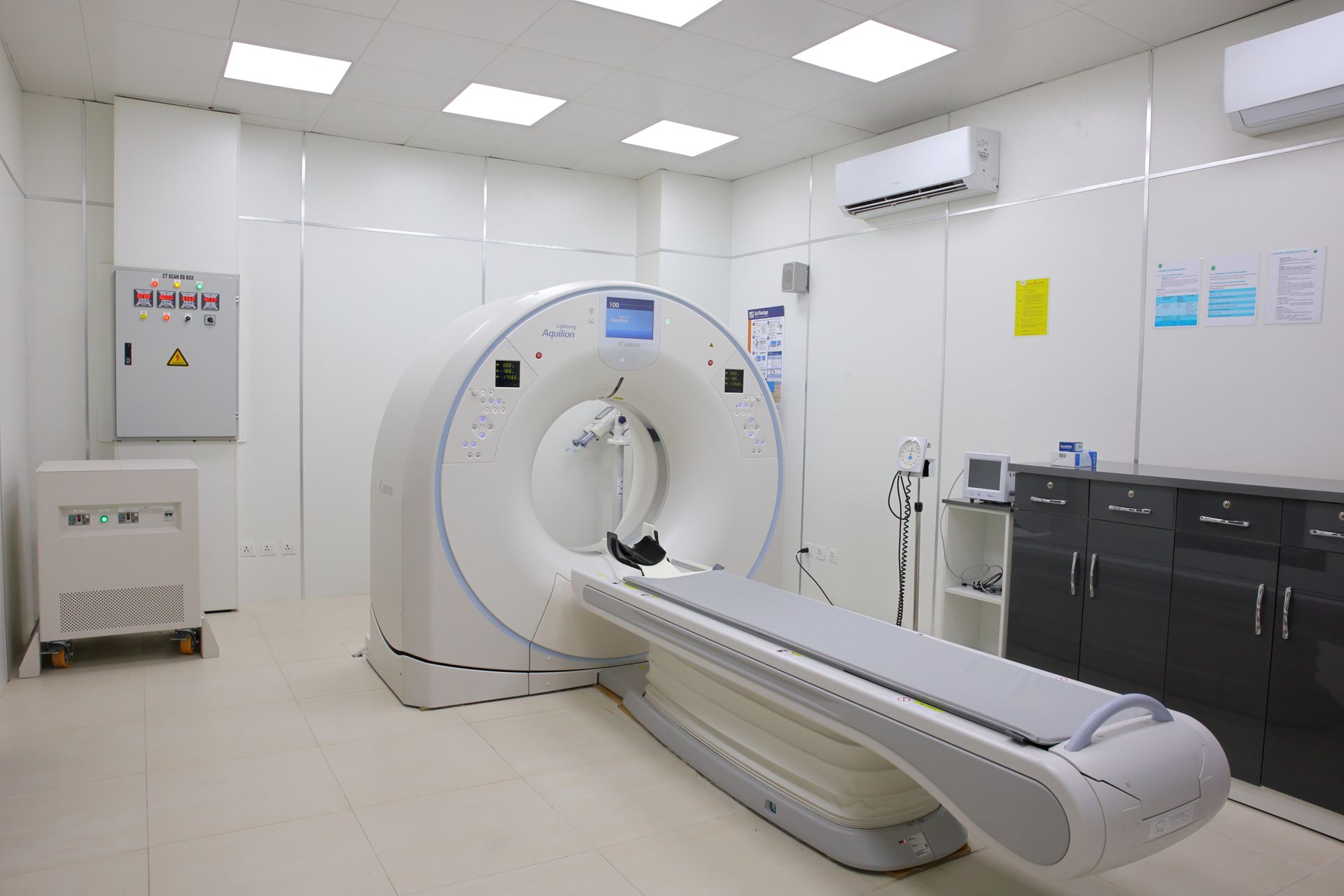
What is a DXA scan, and do you need one for bone health?
A DXA scan is a quick, painless imaging test that uses low-dose X-rays to measure bone density. It's most often used to assess osteoporosis risk in people over 60, though it is increasingly popular among younger adults interested in body composition.

Eli Lilly's new weight-loss pill Foundayo approved for use in the UK
Foundayo, an oral weight-loss pill made by Eli Lilly — the drugmaker behind the Mounjaro injection — has been approved for use in the UK. The pill offers a needle-free alternative that could widen access to obesity treatment.
England on track to become one of the first countries to eliminate hepatitis C
England is on track to become one of the first countries in the world to eliminate hepatitis C, a liver-damaging virus, health officials say. Widescale testing and modern antiviral treatment have driven down new infections and deaths over the past decade.