England on track to become one of the first countries to eliminate hepatitis C
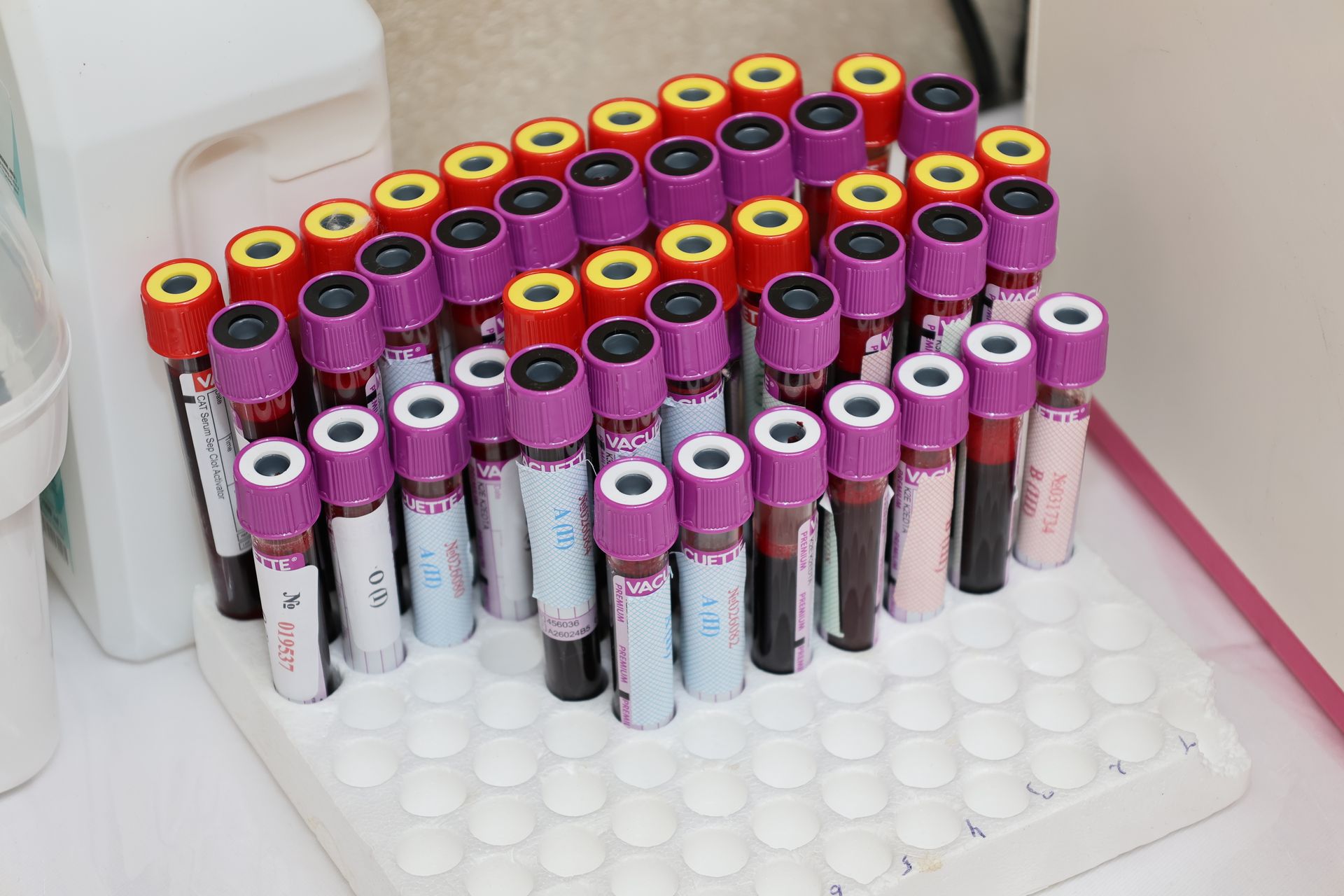
Health officials say England is on track to become one of the first countries in the world to eliminate hepatitis C as a public health threat — potentially years ahead of the World Health Organization's 2030 target. It's the kind of unambiguously good news that rarely surfaces in public health circles.
Hepatitis C is a bloodborne virus that attacks the liver. It spreads through contact with infected blood, historically through shared needles or, before routine screening, contaminated blood transfusions. The virus is often called a "silent" disease because it can go undetected for years; many people carrying it don't realise until liver damage has already progressed, sometimes as far as cirrhosis. Left untreated, it can lead over decades to liver failure and liver cancer.
Thousands of people in England were infected through contaminated blood transfusions before UK blood donations began routine screening in 1991; others acquired the virus through injecting drug use. For decades, treatment options were limited to interferon-based regimens with harsh side effects — courses that lasted months, brought severe flu-like symptoms, and still only cured around half of patients. Many described the treatment itself as more debilitating than the disease.
That changed with the arrival of direct-acting antiviral (DAA) drugs, which became widely available in the mid-2010s. Taken orally over eight to twelve weeks, these drugs cure more than 90% of cases — a dramatic improvement on older treatments. Side effects are also markedly milder, and most patients can complete the course with little disruption to daily life.
As part of a national elimination programme, the NHS has rolled out opt-out testing in prisons, emergency departments and drug treatment services, aiming to reach groups most affected by the virus but least likely to seek testing on their own. That matters because traditional opt-in testing models routinely missed exactly the people at highest risk.
Officials say new diagnoses and hepatitis C-related deaths have fallen sharply over the past decade, a trend attributed to both wider screening and the availability of highly effective treatment. Health economists also note that treating patients early saves money in the long run by averting the far higher costs of liver transplants and cancer care down the line.
The World Health Organization set a goal in 2016 to eliminate viral hepatitis as a public health threat by 2030, targeting a 90% reduction in new infections and a 65% reduction in deaths. England is positioned to be among a small group of countries — alongside Egypt and Georgia — to hit that target early, both of which made similar progress through national screening and treatment campaigns.
Challenges remain. Reaching people who inject drugs, homeless populations and others with limited contact with health services, finding undiagnosed cases, and sustaining funding for the programme are all priorities health officials say still need attention. Health workers note these groups often avoid routine healthcare settings altogether, making street clinics and mobile screening units critical to closing the remaining gap.
Health bodies describe the progress as a significant milestone, while cautioning that the work isn't finished until the last cases are found and treated. Continued outreach to hard-to-reach communities is seen as essential — without it, a disease that looks eliminated on paper could persist in isolated pockets.
England's experience offers evidence that pairing highly effective antivirals with targeted screening can genuinely eliminate a bloodborne disease — a model other countries battling hepatitis C may look to replicate, and one health officials hope could eventually be adapted to other infectious diseases as well.
Read next

What is the Galleri test, and can a single blood draw really detect dozens of cancers?
Grail's Galleri test promises to screen a single blood sample for early signals of dozens of cancer types. As a US FDA advisory panel weighs the test, scientists caution that early evidence is promising but not yet conclusive.

How much strength training do you really need for a longer life?
A new study finds that just 90 to 120 minutes of strength training a week is linked to a 13% lower risk of early death, with the reduction climbing to around 45% when paired with regular aerobic exercise. The findings point to a clear "sweet spot" for longevity.

We know sleep, exercise and diet are vital for health. But why?
Sleep, exercise and diet have been treated for decades as separate prescriptions. New neuroscience research suggests the three habits produce remarkably similar effects on the brain and body, converging on a shared cellular mechanism.
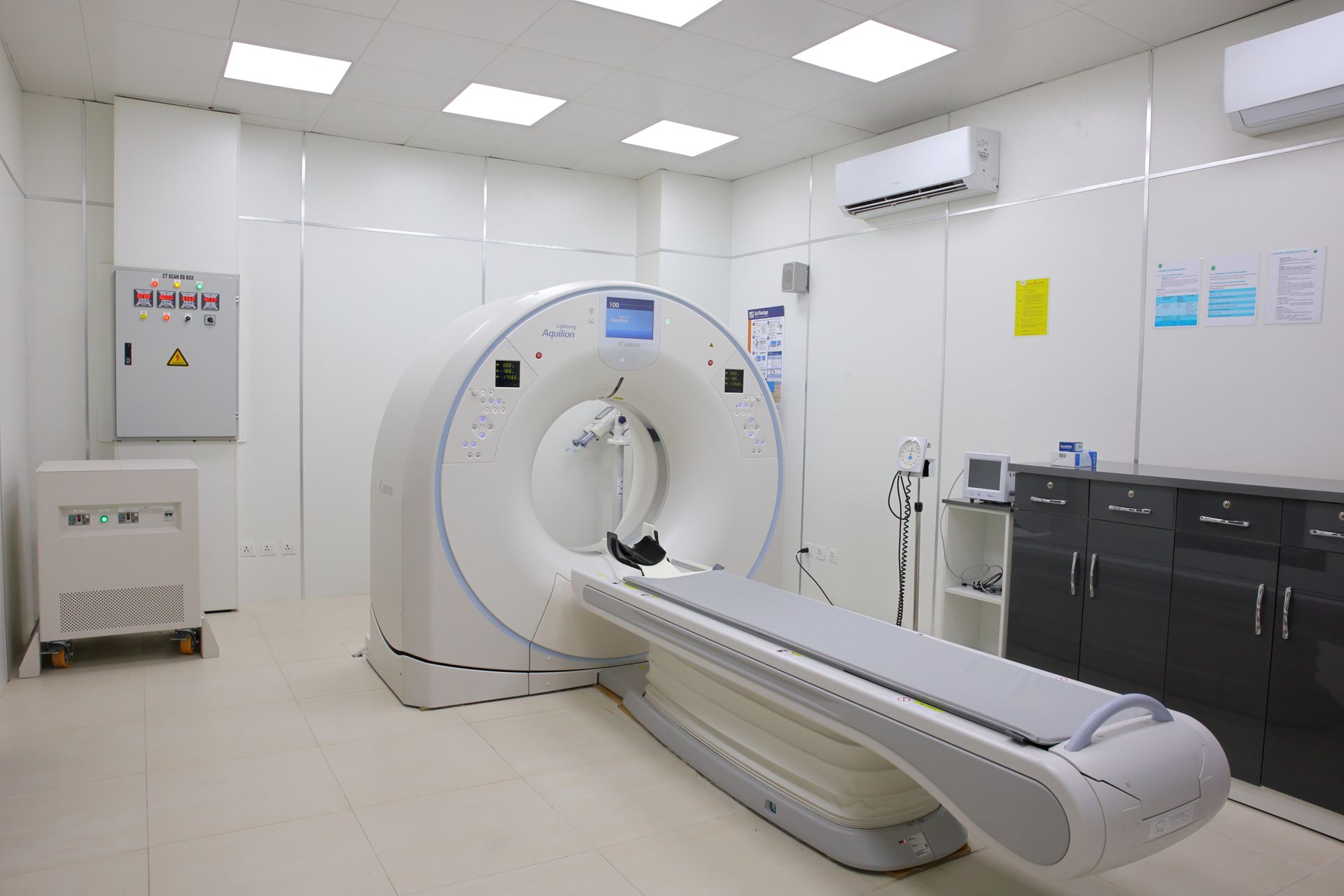
What is a DXA scan, and do you need one for bone health?
A DXA scan is a quick, painless imaging test that uses low-dose X-rays to measure bone density. It's most often used to assess osteoporosis risk in people over 60, though it is increasingly popular among younger adults interested in body composition.

Eli Lilly's new weight-loss pill Foundayo approved for use in the UK
Foundayo, an oral weight-loss pill made by Eli Lilly — the drugmaker behind the Mounjaro injection — has been approved for use in the UK. The pill offers a needle-free alternative that could widen access to obesity treatment.