What is the Galleri test, and can a single blood draw really detect dozens of cancers?

Detecting dozens of cancer types at an early stage from a single blood draw has long been a goal of cancer screening research. Grail's Galleri test promises exactly that, and it's now before a US FDA advisory panel — a review widely seen as a decisive threshold for the test's clinical future.
The test belongs to a new screening category known as multi-cancer early detection, or MCED. Unlike standard tests such as mammograms or colonoscopies, which target a single organ, Galleri aims to screen for signals of nearly 50 cancer types from one blood sample — an ambitious approach that shifts screening logic from an organ-specific model to a whole-body one.
The science behind the test relies on detecting fragments of cell-free DNA (cfDNA) that cancerous cells shed into the bloodstream. These DNA fragments carry distinctive methylation patterns; algorithms analyse those patterns to try to determine both whether a cancer signal is present and, if so, the likely tissue of origin. That dual prediction — signal presence and tissue source — is the test's most technically demanding component.
Galleri draws particular attention to cancer types not covered by existing screening programmes. Cancers such as pancreatic, ovarian and liver cancer are often diagnosed late, when treatment options are limited, in part because no routine screening test exists for them. Filling that gap is the test's most closely watched promise.
Scientists nonetheless voice cautious optimism. Detecting a cancer signal doesn't automatically mean early diagnosis will save lives or reduce overall mortality — that's a separate question requiring its own proof, and one that has misled cancer screening efforts before in the field's history.
Ongoing clinical studies, including the large-scale NHS-Galleri trial in the UK, are assessing the test's false-positive rates, the anxiety it causes patients, and ultimately its effect on survival in real-world conditions. Results from these trials are seen as critical to any wider adoption of the test.
The FDA advisory panel's review represents a critical step toward clinical approval. The panel will debate whether current evidence is sufficient on the test's reliability, accuracy and clinical benefit — a debate that could also shape the regulatory path for similar MCED tests going forward.
Experts stress that false positives can create unnecessary worry and follow-up testing for patients, while false negatives could give a misleading sense of reassurance — both of which call for a careful approach to how the test is integrated into clinical practice.
Even so, the field is moving quickly. MCED tests carry the potential to shift cancer screening from today's organ-specific model toward one capable of scanning the whole body from a single blood sample, and a number of biotech firms are investing heavily in the space.
Galleri's future will depend not only on the regulatory approval process but on long-term clinical studies proving the test genuinely saves lives — meaning that even with approval, becoming part of routine health screening could still be years away.
Read next

How much strength training do you really need for a longer life?
A new study finds that just 90 to 120 minutes of strength training a week is linked to a 13% lower risk of early death, with the reduction climbing to around 45% when paired with regular aerobic exercise. The findings point to a clear "sweet spot" for longevity.

We know sleep, exercise and diet are vital for health. But why?
Sleep, exercise and diet have been treated for decades as separate prescriptions. New neuroscience research suggests the three habits produce remarkably similar effects on the brain and body, converging on a shared cellular mechanism.
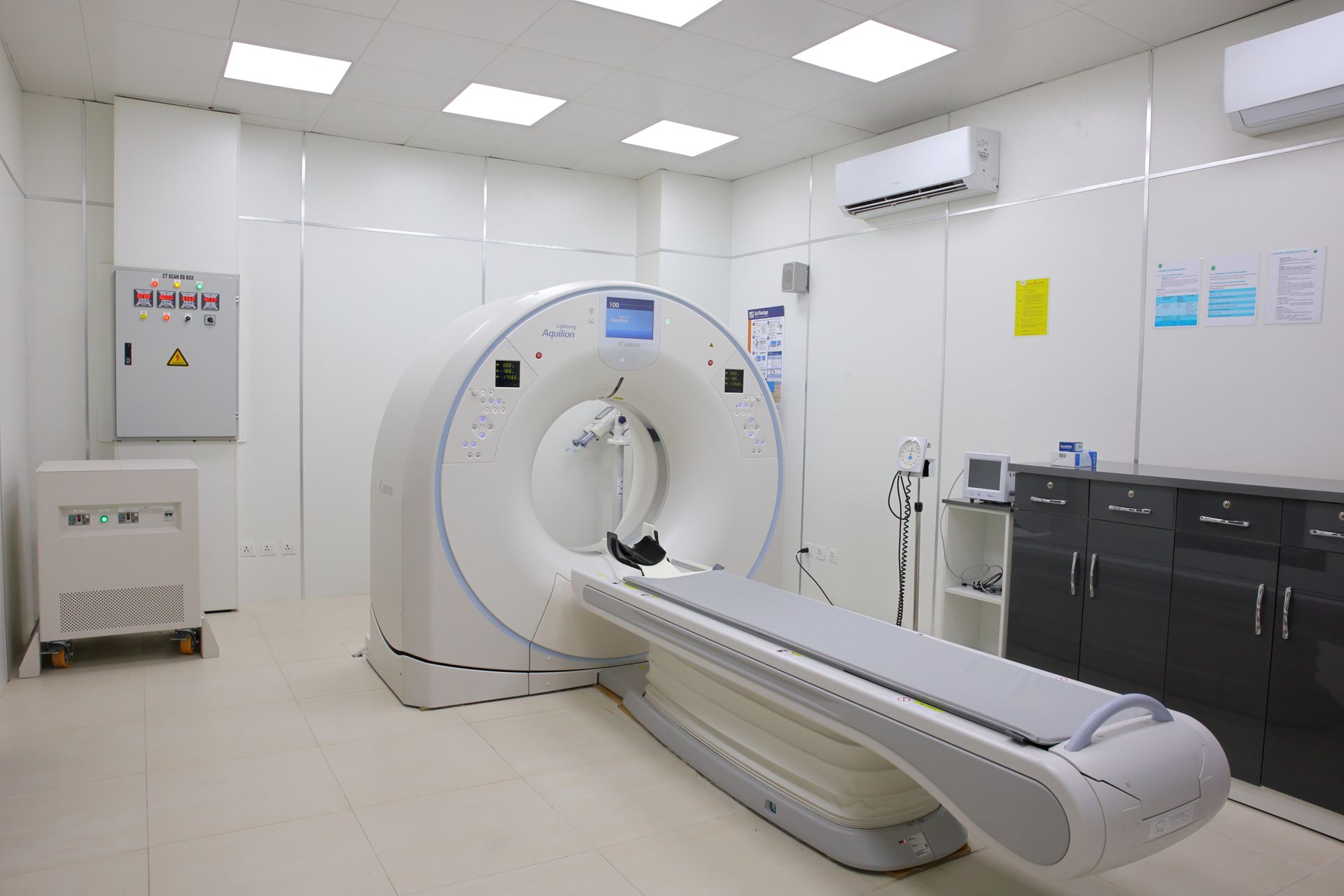
What is a DXA scan, and do you need one for bone health?
A DXA scan is a quick, painless imaging test that uses low-dose X-rays to measure bone density. It's most often used to assess osteoporosis risk in people over 60, though it is increasingly popular among younger adults interested in body composition.

Eli Lilly's new weight-loss pill Foundayo approved for use in the UK
Foundayo, an oral weight-loss pill made by Eli Lilly — the drugmaker behind the Mounjaro injection — has been approved for use in the UK. The pill offers a needle-free alternative that could widen access to obesity treatment.
England on track to become one of the first countries to eliminate hepatitis C
England is on track to become one of the first countries in the world to eliminate hepatitis C, a liver-damaging virus, health officials say. Widescale testing and modern antiviral treatment have driven down new infections and deaths over the past decade.