How much strength training do you really need for a longer life?

You may not need to spend hours at the gym. According to a new study, just 90 to 120 minutes of strength training a week may be enough to meaningfully lower the risk of dying early — a finding welcomed with interest by a health community that has long sought a definitive answer to "how much exercise is enough".
Researchers tracked the exercise habits of a large group of participants over many years and found that those who lifted weights regularly during that period had a 13% lower risk of early death compared with those who did none. The study logged participants' exercise frequency and duration at regular intervals to build a long-term picture.
The most striking finding was the sharp reduction in deaths linked to cardiovascular and neurological disease. That suggests regular resistance training doesn't just preserve muscle mass — it appears to have a protective effect on heart and brain health as well; researchers are planning further studies to clarify the exact mechanism behind that link.
Researchers describe the 90-to-120-minute range as a "sweet spot" — a zone where the benefit is highest and the risk of overdoing it is low. That works out to roughly two or three short sessions a week, each lasting 30 to 45 minutes, and doesn't require an intensive gym regimen.
Perhaps the most practical finding was that strength training's effect compounds when paired with aerobic exercise. Participants who did both saw their overall risk of death drop by around 45% — a far bigger effect than either type of exercise produced on its own.
That supports a view experts have long held: cardio and resistance training aren't substitutes for one another, but complements. Aerobic exercise strengthens the cardiovascular system, while resistance training supports muscle mass, bone density and metabolic health; doing both together delivers simultaneous benefits across different bodily systems.
The natural loss of muscle mass with age — a process known as sarcopenia — raises the risk of falls, frailty and loss of independence. Regular resistance training can significantly slow that process; researchers note the effect appears especially pronounced in people over 50.
Researchers note the findings are especially encouraging for training programmes started in midlife or later — meaning benefits remain very much available even for those who feel they've started "too late" to pick up weights. The study found that even participants who began training in their sixties saw measurable health gains.
The study also makes clear that more isn't necessarily better. Rather than hours of heavy training each week, a consistent, moderate-intensity routine appears sufficient for long-term health; researchers stress that more training doesn't automatically translate into more benefit.
The takeaway is simple: a few short resistance-training sessions a week, especially when paired with aerobic activity like regular walking or running, may be a powerful investment in a longer, healthier life.
Read next

What is the Galleri test, and can a single blood draw really detect dozens of cancers?
Grail's Galleri test promises to screen a single blood sample for early signals of dozens of cancer types. As a US FDA advisory panel weighs the test, scientists caution that early evidence is promising but not yet conclusive.

We know sleep, exercise and diet are vital for health. But why?
Sleep, exercise and diet have been treated for decades as separate prescriptions. New neuroscience research suggests the three habits produce remarkably similar effects on the brain and body, converging on a shared cellular mechanism.
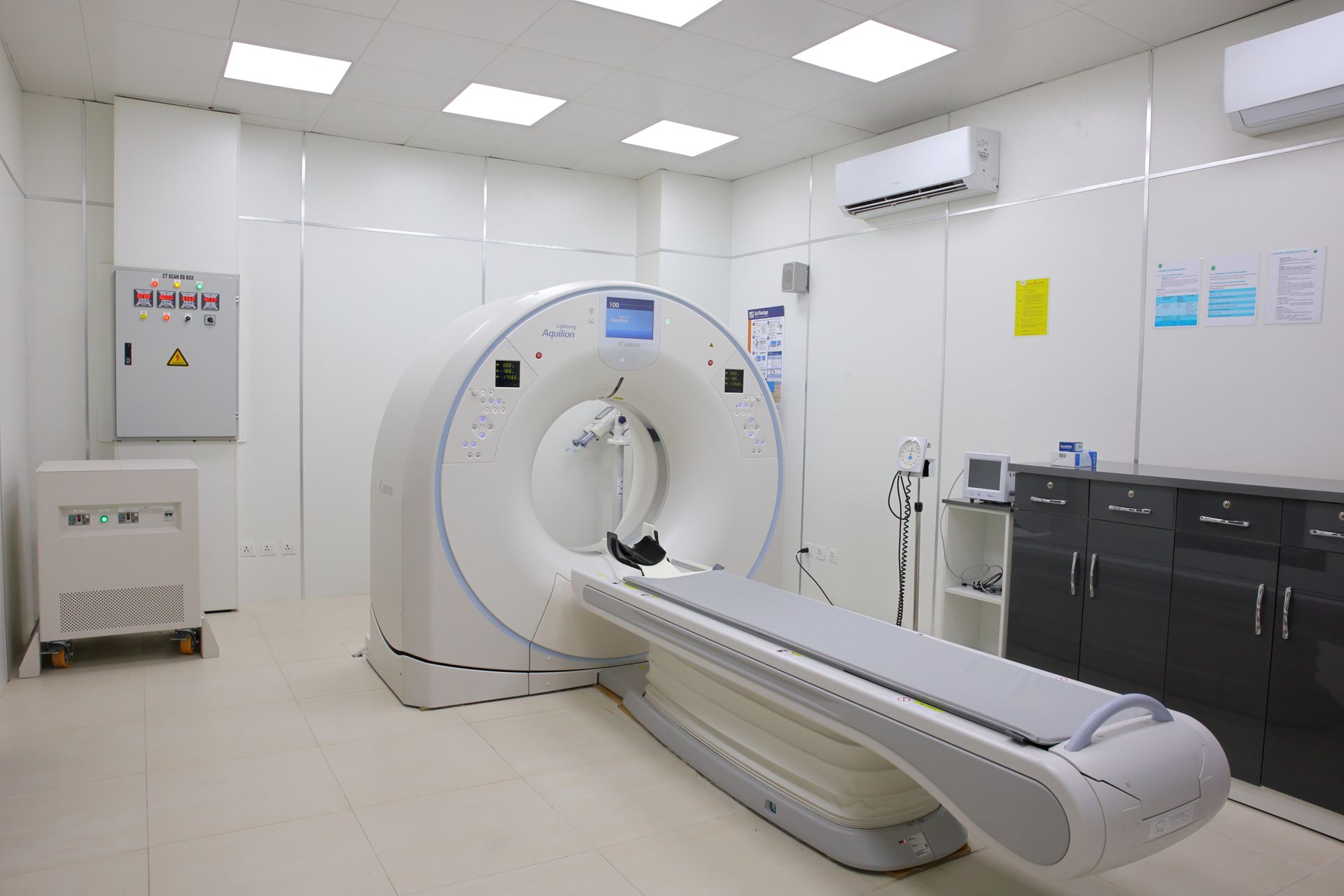
What is a DXA scan, and do you need one for bone health?
A DXA scan is a quick, painless imaging test that uses low-dose X-rays to measure bone density. It's most often used to assess osteoporosis risk in people over 60, though it is increasingly popular among younger adults interested in body composition.

Eli Lilly's new weight-loss pill Foundayo approved for use in the UK
Foundayo, an oral weight-loss pill made by Eli Lilly — the drugmaker behind the Mounjaro injection — has been approved for use in the UK. The pill offers a needle-free alternative that could widen access to obesity treatment.
England on track to become one of the first countries to eliminate hepatitis C
England is on track to become one of the first countries in the world to eliminate hepatitis C, a liver-damaging virus, health officials say. Widescale testing and modern antiviral treatment have driven down new infections and deaths over the past decade.