UK heatwaves: why officials estimate more than 2,700 heat-related deaths

This year's May and June brought some of the longest and most intense heatwaves the United Kingdom has recorded. An early estimate published by health officials suggests more than 2,700 people may have died from heat-related causes during that period — a figure derived from statistical modelling while final death certificates are still being processed, and one officials caution could shift as more data comes in.
Experts at the UK Health Security Agency say this year's heatwaves stood out for their combination of duration and intensity. Through much of June, temperatures in parts of the country stayed above 30C for several consecutive days, an unusual pattern for a nation whose climate has traditionally been temperate.
The underlying concern, specialists say, is that much of the UK's housing stock was built for a cold climate. Few homes have central cooling, and insulation designed to trap heat in during winter often works against residents during a heatwave. That leaves older people and those with chronic health conditions particularly exposed.
Most heat-related deaths are not the result of direct heatstroke but of existing heart and respiratory conditions being pushed past a critical threshold. High temperatures place extra strain on the cardiovascular system, and for people with pre-existing illness that strain can trigger dangerous complications.
Hospitals and emergency departments reported a marked rise in admissions during the hottest stretches. Health workers say the effects of heat are often noticed too late, particularly among older people living alone or in care homes, delaying the response needed to prevent serious harm.
Researchers broadly agree that climate change will keep making these extreme heat events more frequent and more intense. That has shifted official messaging: heatwaves, they argue, should now be planned for as a routine part of a British summer rather than treated as a rare exception.
Local authorities and health bodies are working to strengthen heat-warning systems, including setting up community cooling centres, increasing welfare checks on vulnerable residents, and expanding shade provision at public buildings.
Longer term, there are growing calls to revise UK building standards. Campaigners want passive cooling measures, external shading and natural ventilation to become mandatory requirements for new housing developments, rather than optional extras.
Officials say a fuller analysis of this year's toll is expected within months, but stress that even the preliminary figures point to an urgent need for the UK to adapt its infrastructure and health systems to sustained heat.
The scale of this summer's losses underscores a broader shift: extreme heat is no longer a problem confined to southern Europe. Countries long associated with mild, temperate weather are now facing it as a serious and recurring public health threat.
Read next
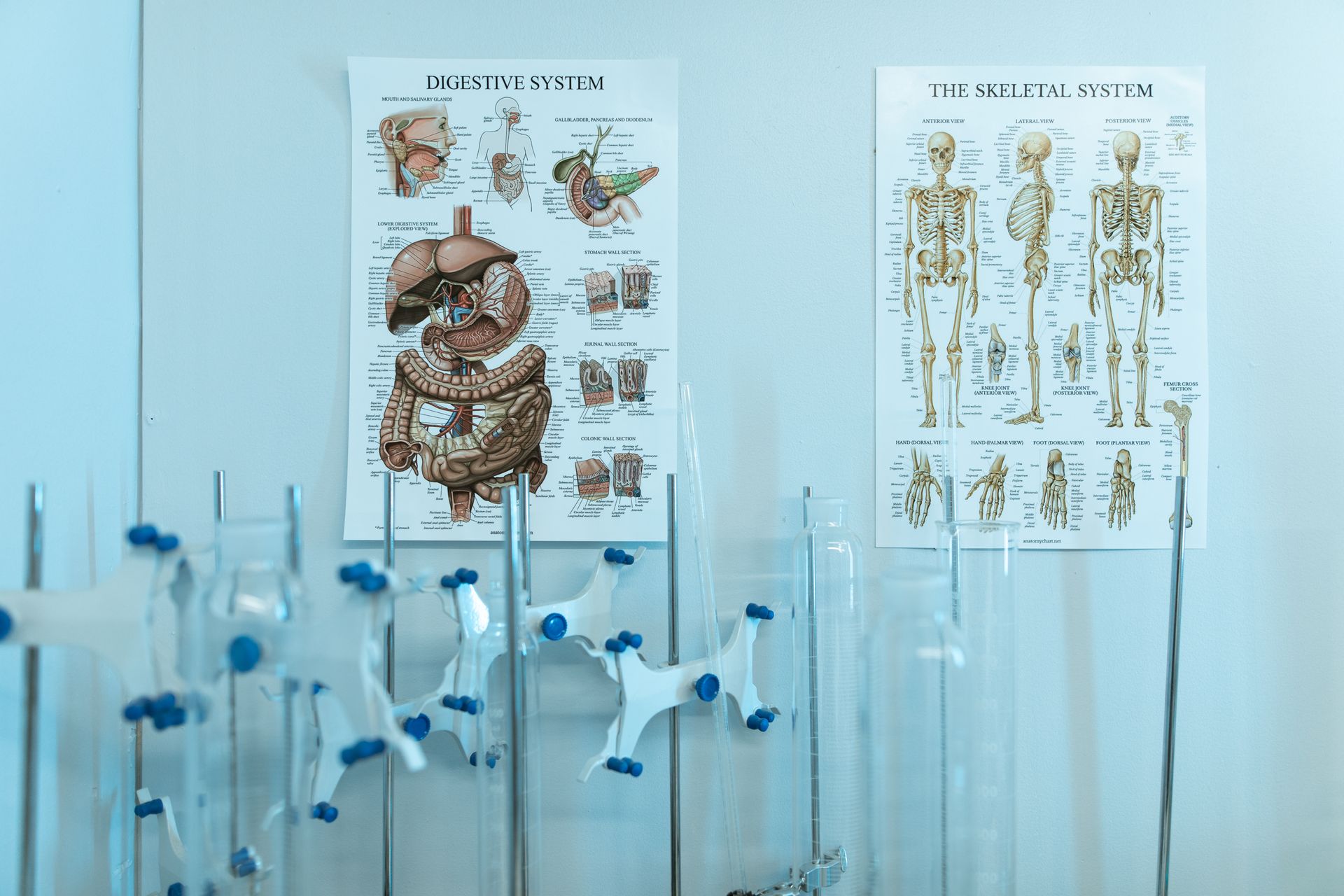
7 design flaws evolution left in the human body, explained
From our spines to our knees, our vestigial organs to the wiring of our own eyes, the human body is full of quirks that no engineer would ever design from scratch. Scientists explain why these "flaws" are not evidence of sloppy design, but the fingerprints of an evolutionary process that never starts over.

NHS anaesthetist shortage stops 1.5m operations a year, report finds
A new report finds England's National Health Service is unable to carry out around 1.5m operations a year because of a severe shortage of anaesthetists, with the shortfall affecting roughly 4,000 procedures a day. Many of those left waiting are patients in urgent need of surgery.

What was the iron lung, the machine that kept polio survivors alive for decades
Martha Lillard, the last known person in the US still living with polio and dependent on an iron lung, has died aged 78. Her decades inside the cylindrical metal machine offer a window into a now largely forgotten piece of medical technology — and into what polio outbreaks meant for families before a vaccine existed.

Boys' mental health crisis: a 170-year-old New York club's time-tested answer
As attention turns to a growing mental health crisis among boys, New York's century-old Boys' Club has quietly kept offering a different kind of intervention: structured mentorship built on belonging and consistent adult presence. Researchers say its model may hold lessons for a wider epidemic of male loneliness.

What is Havana Syndrome, the mystery illness the US just paid $3m over
The US government has paid out $3m to victims of the mysterious "Havana Syndrome", a decade after American diplomats and intelligence officers first reported the puzzling cluster of symptoms. Here's what is known — and still unknown — about a condition that has resisted a clear scientific explanation.