What is Havana Syndrome, the mystery illness the US just paid $3m over

A decade ago, a group of US diplomats and intelligence officers stationed in Havana, Cuba, began reporting strange and unexplained health problems. They described a sudden pressure or grinding sensation in the ear, acute dizziness, severe headaches and, in some cases, lasting cognitive difficulties. That cluster of symptoms became known as "Havana Syndrome", officially termed "anomalous health incidents" by US agencies.
This week, the US government confirmed it had paid a total of $3m in compensation to affected officials and their families. The payout follows years of legal and administrative process, though officials stress it does not represent a new finding about the syndrome's underlying cause.
One of the most striking features of Havana Syndrome is how varied and inconsistent the reported symptoms are. Some officials described a sudden, directional sound or pressure sensation before onset; others said symptoms appeared with no warning at all. That inconsistency has made it extraordinarily difficult for investigators to pin the phenomenon to a single, shared physical mechanism.
Over the years, theories have ranged from directed microwave energy attacks and acoustic weapons to pesticide exposure and even psychogenic — stress-driven, collective — reactions. A joint 2023 assessment by US intelligence agencies concluded there was no "high confidence" evidence linking the cases to a weapon wielded by a hostile foreign power, a conclusion that affected officials and some scientists have since disputed.
Critics argue the assessment fails to adequately explain some cases, and that the consistent symptom pattern seen in the earliest Havana incidents is too specific to be dismissed as a coincidental collective reaction. Independent researchers, meanwhile, have found subtle differences on brain imaging in some affected individuals, though they acknowledge those findings fall short of establishing a clear cause.
Reported cases were never confined to Havana. Similar incidents were later reported by officials in China, Australia, several European countries and even near the White House in Washington DC. That geographic spread has strengthened the theory that whatever underlies the syndrome may be more complex — or multi-factorial — than a single localised source.
In 2021, the US Congress passed the HAVANA Act to provide affected officials with medical care and financial support, regardless of the eventual explanation for their symptoms. Some officials, however, say the compensation process has been slow and bogged down in bureaucracy.
This week's $3m payment falls under that legislative framework. Officials say the step reflects the government's commitment to the health of its personnel, while acknowledging that a definitive scientific explanation for the syndrome remains elusive.
Experts say research into similar "anomalous health incidents" continues around the world, but expect debate to persist in both medical and intelligence circles until a clear mechanism — if one exists — is identified.
A decade on, Havana Syndrome remains one of the more unresolved mysteries facing modern medicine and intelligence work alike: its symptoms are real and its effects on those diagnosed have proven lasting, even as its cause continues to elude a definitive answer.
Read next
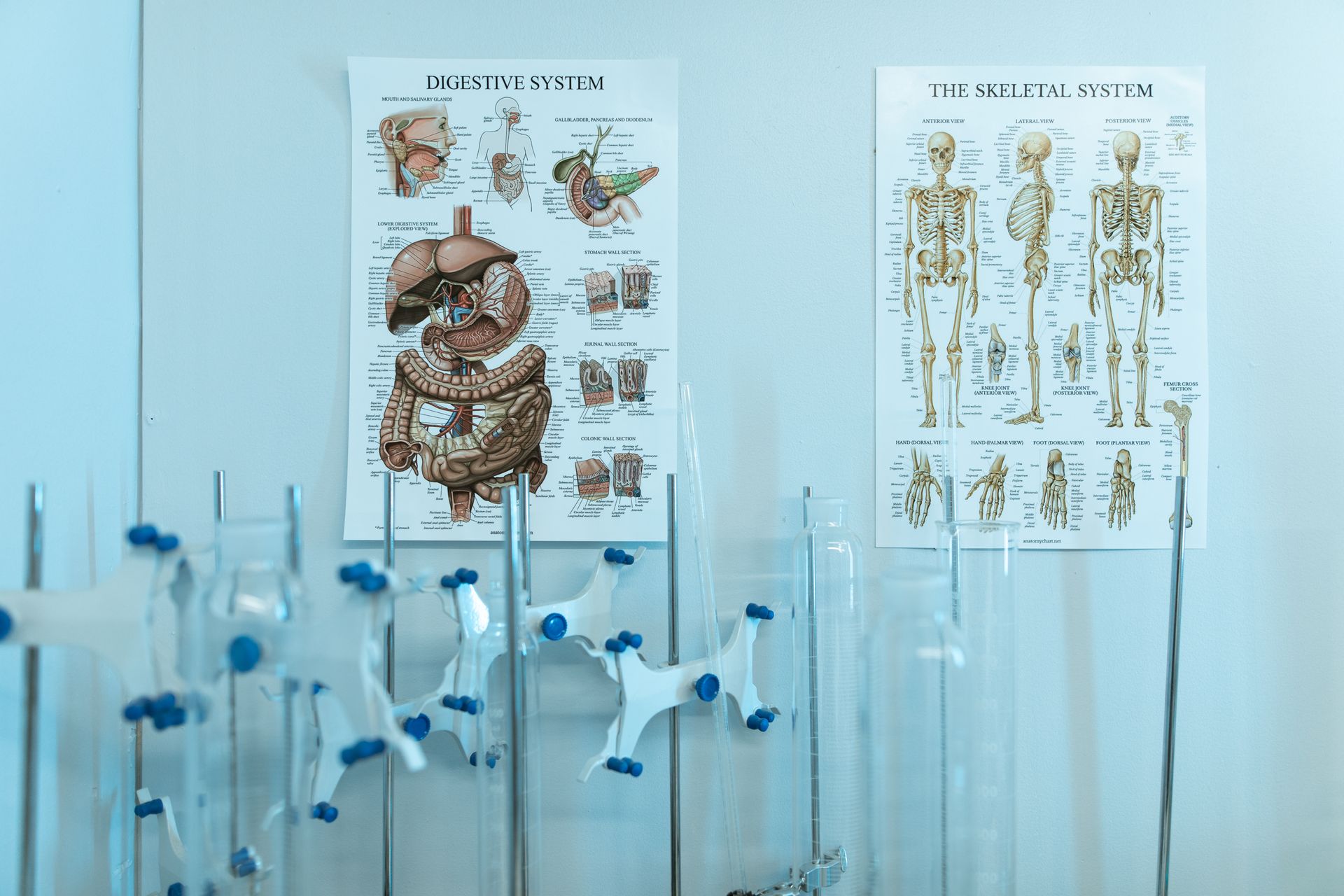
7 design flaws evolution left in the human body, explained
From our spines to our knees, our vestigial organs to the wiring of our own eyes, the human body is full of quirks that no engineer would ever design from scratch. Scientists explain why these "flaws" are not evidence of sloppy design, but the fingerprints of an evolutionary process that never starts over.

NHS anaesthetist shortage stops 1.5m operations a year, report finds
A new report finds England's National Health Service is unable to carry out around 1.5m operations a year because of a severe shortage of anaesthetists, with the shortfall affecting roughly 4,000 procedures a day. Many of those left waiting are patients in urgent need of surgery.

What was the iron lung, the machine that kept polio survivors alive for decades
Martha Lillard, the last known person in the US still living with polio and dependent on an iron lung, has died aged 78. Her decades inside the cylindrical metal machine offer a window into a now largely forgotten piece of medical technology — and into what polio outbreaks meant for families before a vaccine existed.

Boys' mental health crisis: a 170-year-old New York club's time-tested answer
As attention turns to a growing mental health crisis among boys, New York's century-old Boys' Club has quietly kept offering a different kind of intervention: structured mentorship built on belonging and consistent adult presence. Researchers say its model may hold lessons for a wider epidemic of male loneliness.

UK heatwaves: why officials estimate more than 2,700 heat-related deaths
An early official estimate suggests more than 2,700 people died from heat-related causes during the UK's exceptionally hot May and June, as health officials warn the country's infrastructure and healthcare system remain poorly adapted to prolonged extreme heat. The toll adds to a growing body of evidence linking climate change to a rising number of preventable deaths across Western Europe.