What was the iron lung, the machine that kept polio survivors alive for decades

Martha Lillard contracted the polio virus at age five, in the early 1950s. In those years, polio outbreaks tore through the United States every summer with grim regularity, paralysing thousands of children and, in the most severe cases, disabling the muscles used for breathing entirely. Lillard suffered one of the most serious forms of the disease, in which the virus paralysed her respiratory muscles, and she needed to be placed inside an "iron lung" to survive.
The iron lung was, in essence, a large cylinder built on a surprisingly simple mechanical principle. The patient lay inside the metal tube with only their head exposed, while air pressure inside the chamber was cycled up and down at regular intervals. When pressure dropped, the chest cavity expanded and air was drawn into the lungs; when pressure rose, the chest was compressed and air was pushed back out. That cycle allowed a patient whose paralysis had robbed them of the ability to breathe unassisted to keep living.
Through the 1940s and 1950s, thousands of American children and adults became dependent on these machines during polio epidemics. Hospital wards filled with rows of iron lungs, an image that became one of the era's most haunting symbols of public health crisis. Some patients regained enough respiratory function within weeks to leave the machine behind; others, like Lillard, remained dependent on it for the rest of their lives.
Lillard spent most of her adult life in or near an iron lung. Over time, she managed to extend the periods she could spend outside the machine and developed adapted techniques that let her continue certain activities. Even so, she continued spending her nights and much of her rest inside a mechanical device manufactured decades earlier.
With the rollout of Jonas Salk's polio vaccine in 1955, the disease's incidence in the US fell dramatically. A virus that had once caused tens of thousands of new cases a year was nearly eliminated in the country within a few decades — a success that also gradually consigned the iron lung to history, where most surviving examples now sit in museums.
But for as long as a small "polio generation" like Lillard's remained alive, the iron lung never fully disappeared. For these individuals, the machine was not a relic of the past but an indispensable part of daily life. Spare parts became harder to find, technicians who understood the machines grew scarce, and some patients had to devise their own solutions to keep their devices running.
Medical historians say Lillard's story is not just a personal struggle, but a concrete reminder of the devastating toll infectious disease took on communities before a vaccine existed. Polio epidemics came to symbolise a period when parents kept children away from swimming pools and crowded places each summer, and when schools sometimes closed altogether.
Experts note that Lillard's death also offers context for today's debates over vaccine hesitancy. Reminding the public that polio once paralysed hundreds of thousands of children worldwide, and that vaccination has largely eliminated the disease, is seen by health officials as an important reference point amid renewed vaccine scepticism.
Those who knew Lillard say she maintained her determination and sense of humour throughout her life, treating her existence inside the iron lung not as a limitation but as a reality she had learned to live within. Over the years, she spoke to journalists and documentary filmmakers, helping preserve both her own experience and the story of a technology that has largely faded from memory.
With Martha Lillard's death, the last known person in the US living with polio and dependent on an iron lung has passed. Her story remains a striking reminder of how profoundly vaccines can reshape public health — and of how a once life-saving technology can, over time, become the daily reality of only a handful of people.
Read next
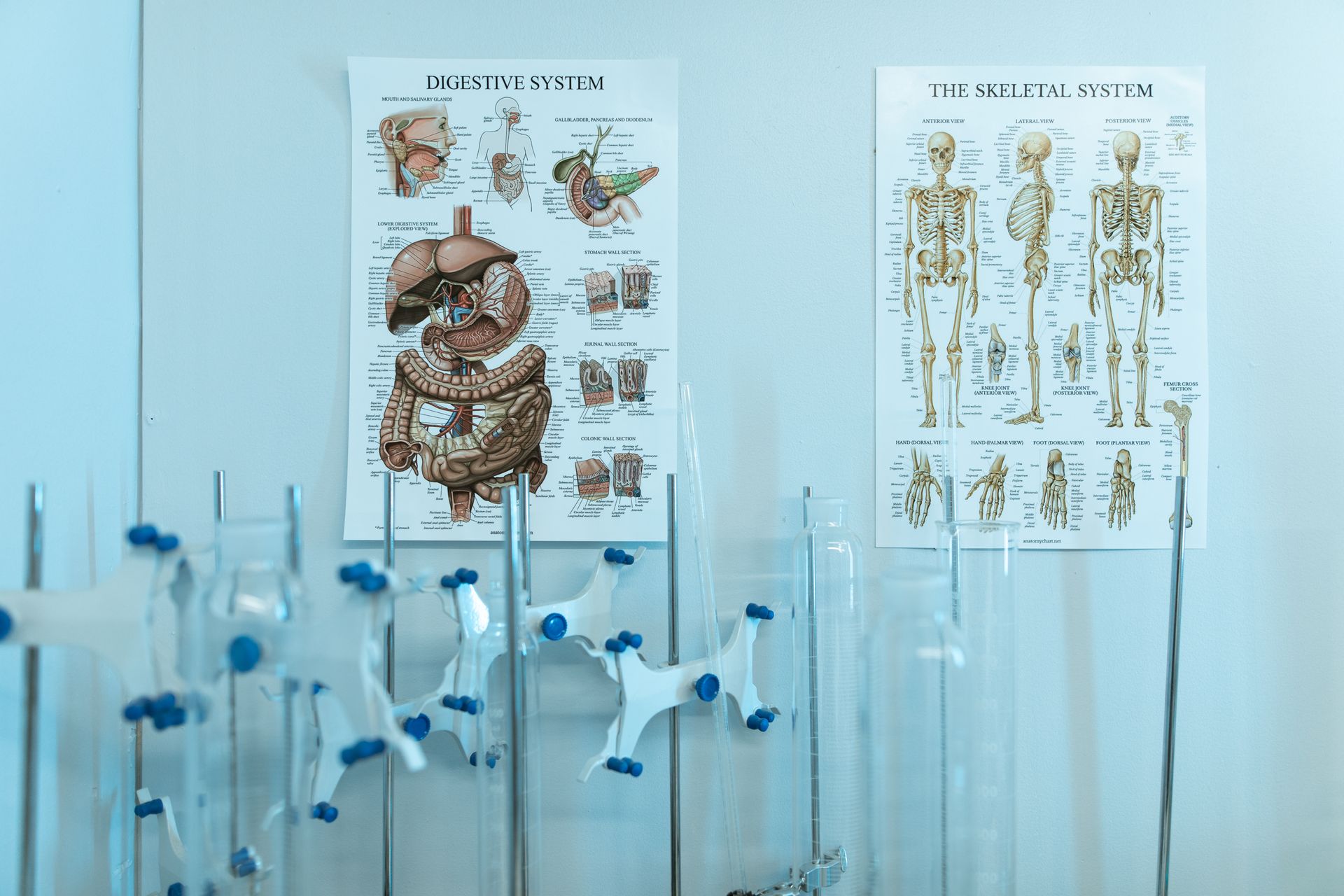
7 design flaws evolution left in the human body, explained
From our spines to our knees, our vestigial organs to the wiring of our own eyes, the human body is full of quirks that no engineer would ever design from scratch. Scientists explain why these "flaws" are not evidence of sloppy design, but the fingerprints of an evolutionary process that never starts over.

NHS anaesthetist shortage stops 1.5m operations a year, report finds
A new report finds England's National Health Service is unable to carry out around 1.5m operations a year because of a severe shortage of anaesthetists, with the shortfall affecting roughly 4,000 procedures a day. Many of those left waiting are patients in urgent need of surgery.

Boys' mental health crisis: a 170-year-old New York club's time-tested answer
As attention turns to a growing mental health crisis among boys, New York's century-old Boys' Club has quietly kept offering a different kind of intervention: structured mentorship built on belonging and consistent adult presence. Researchers say its model may hold lessons for a wider epidemic of male loneliness.

What is Havana Syndrome, the mystery illness the US just paid $3m over
The US government has paid out $3m to victims of the mysterious "Havana Syndrome", a decade after American diplomats and intelligence officers first reported the puzzling cluster of symptoms. Here's what is known — and still unknown — about a condition that has resisted a clear scientific explanation.

UK heatwaves: why officials estimate more than 2,700 heat-related deaths
An early official estimate suggests more than 2,700 people died from heat-related causes during the UK's exceptionally hot May and June, as health officials warn the country's infrastructure and healthcare system remain poorly adapted to prolonged extreme heat. The toll adds to a growing body of evidence linking climate change to a rising number of preventable deaths across Western Europe.