Boys' mental health crisis: a 170-year-old New York club's time-tested answer

In recent years, researchers have raised alarm over a deepening mental health crisis among boys and young men: rising loneliness, falling academic engagement, weakening social ties and climbing suicide rates. Amid the search for lasting solutions, a small institution in the heart of New York, operating for well over a century, has quietly been running a proven model of its own: the Boys' Club of New York (BCNY).
BCNY offers after-school programming, sports, arts workshops and academic support to thousands of boys from low-income families. But the organisation's real strength, staff say, lies less in what activities it offers and more in how those activities are structured: consistent adult presence, long-term mentoring relationships and a genuine sense of belonging.
Club leaders say the program's foundation rests on the concept of connection. A boy seeing the same faces not once a week but across years, returning to the same space, being recognised by adults who know him — that continuity, they argue, is the key to building trust, something short-term intervention programs simply cannot replicate.
Experts note that boys often express emotional needs differently than girls do. Rather than direct conversations about feelings, doing something together — playing basketball, working on a project, preparing for a competition — is frequently a more natural route for boys to build trust and open up. BCNY's programming is built directly around that principle.
Researchers say the roots of the crisis among boys go beyond individual factors to broader societal shifts: the erosion of traditional community structures, digital interaction replacing face-to-face relationships, and the social barriers boys and men still face when seeking emotional support. In that context, institutions like BCNY are working to rebuild a social fabric that has frayed elsewhere.
Among the club's mentors are adults who themselves benefited from BCNY as boys and now work within the same program. That cyclical structure offers children not just an adult role model, but a tangible example of their own possible future.
Experts acknowledge that structures like this are difficult to scale. Much of BCNY's success, they say, depends on decades of institutional memory, stable funding and deep roots in specific New York neighbourhoods. Even so, researchers believe the model's underlying principles — continuity, belonging and connection built through shared activity — can be adapted to other contexts.
A growing number of schools and community organisations are beginning to draw on these principles when designing their own programs for boys. Some educators argue that models focused on long-term, consistent relationships produce more lasting effects than short-lived "awareness" campaigns.
BCNY's story offers no single, magic solution to the crisis facing boys' mental health. But an institution that has operated on the same principles for more than a century is a reminder that the answer to a complex problem is sometimes not a new technology or intervention, but an old and simple truth: showing up, consistently.
Experts broadly agree that supporting such communities — in schools, neighbourhoods and sports clubs — could play a significant role in addressing the loneliness epidemic among boys.
Read next
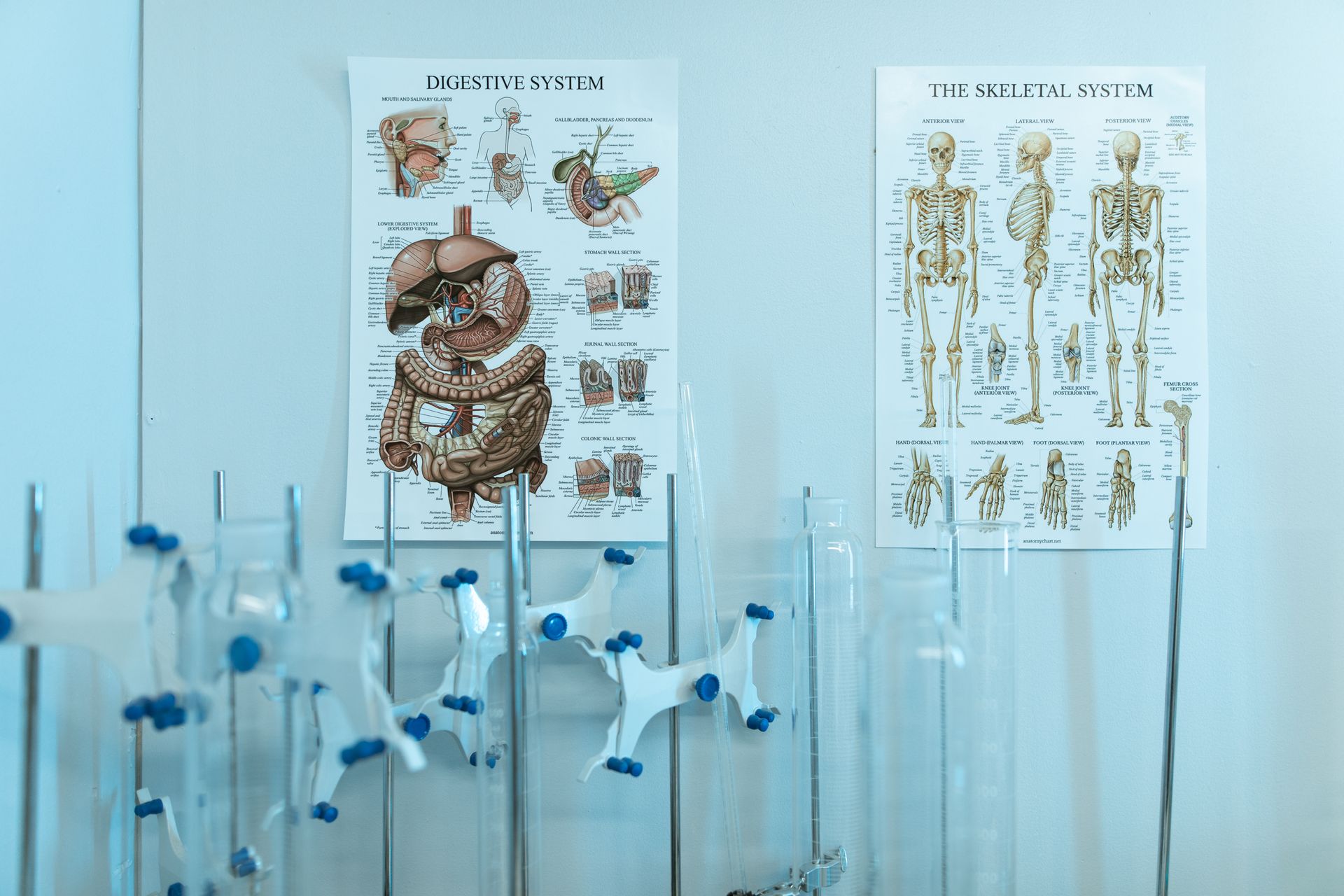
7 design flaws evolution left in the human body, explained
From our spines to our knees, our vestigial organs to the wiring of our own eyes, the human body is full of quirks that no engineer would ever design from scratch. Scientists explain why these "flaws" are not evidence of sloppy design, but the fingerprints of an evolutionary process that never starts over.

NHS anaesthetist shortage stops 1.5m operations a year, report finds
A new report finds England's National Health Service is unable to carry out around 1.5m operations a year because of a severe shortage of anaesthetists, with the shortfall affecting roughly 4,000 procedures a day. Many of those left waiting are patients in urgent need of surgery.

What was the iron lung, the machine that kept polio survivors alive for decades
Martha Lillard, the last known person in the US still living with polio and dependent on an iron lung, has died aged 78. Her decades inside the cylindrical metal machine offer a window into a now largely forgotten piece of medical technology — and into what polio outbreaks meant for families before a vaccine existed.

What is Havana Syndrome, the mystery illness the US just paid $3m over
The US government has paid out $3m to victims of the mysterious "Havana Syndrome", a decade after American diplomats and intelligence officers first reported the puzzling cluster of symptoms. Here's what is known — and still unknown — about a condition that has resisted a clear scientific explanation.

UK heatwaves: why officials estimate more than 2,700 heat-related deaths
An early official estimate suggests more than 2,700 people died from heat-related causes during the UK's exceptionally hot May and June, as health officials warn the country's infrastructure and healthcare system remain poorly adapted to prolonged extreme heat. The toll adds to a growing body of evidence linking climate change to a rising number of preventable deaths across Western Europe.