7 design flaws evolution left in the human body, explained
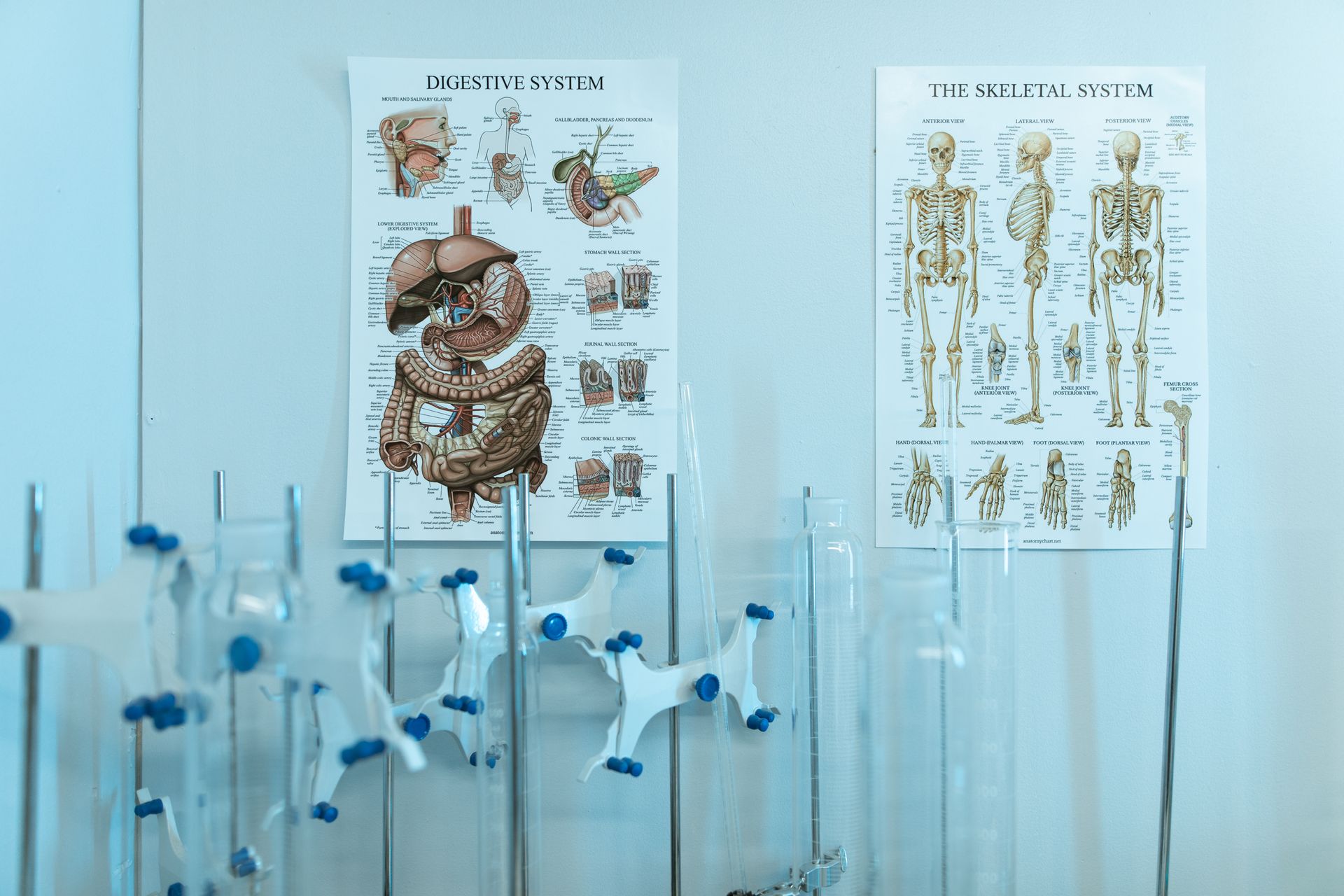
If an engineer were asked to design a human body from scratch, the result would almost certainly look very different from the one we're born with. Scientists say the human body is riddled with what amount to design flaws — not because evolution is a poor engineer, but because of how evolution actually works: it never starts from a blank page, only ever tweaking the structures already in place.
First on the list is the spine. The human backbone evolved for ancestors that walked on four limbs; when our lineage shifted to walking upright, that structure was never redesigned from scratch — it was simply bent into an S-shape to balance the new load. The result is a long list of trade-offs modern humans still pay for: back pain, slipped discs and postural problems that come with being an upright-walking species.
Second is hidden in our eyes. The light-sensitive cells in the human retina are wired backwards — facing away from incoming light, with nerve fibres and blood vessels running in front of them rather than behind. That "inverted wiring" slightly reduces visual clarity and creates a blind spot, forcing the brain to constantly fill in the gap with inferred visual information.
Third are our teeth. The modern human jaw has shrunk relative to our ancestors', yet it still tries to accommodate the same number of teeth, wisdom teeth included. That mismatch is why millions of people require surgery each year for impacted or crowded wisdom teeth.
Fourth is the hip and pelvis. A narrow pelvis is an advantage for upright walking, but it creates a serious challenge for birthing babies with large brains. Scientists call this trade-off the "obstetric dilemma", and it largely explains why human childbirth is so much more difficult and risky compared with that of other mammals.
Fifth involves a nerve most people have never heard of: the recurrent laryngeal nerve. Rather than taking a direct route from the brain to the larynx, it travels down into the chest, loops around a major artery near the heart, then travels back up. In giraffes, that detour can stretch several metres; in humans it's only a few unnecessary centimetres, but it carries the same evolutionary fingerprint.
Sixth is the appendix. Long dismissed as a purely useless vestigial organ, it is now thought to play a small role in maintaining gut bacteria. Even so, the risk of inflammation today largely outweighs that limited benefit, and appendicitis remains one of the most common causes of emergency surgery worldwide.
Seventh and last are the small muscles around our ears. In many mammals, these muscles rotate the ears toward the direction of a sound; in humans they are largely vestigial. Yet some people can still wiggle their ears slightly — evidence of an evolutionary leftover that has become unnecessary without disappearing entirely.
Scientists say these seven examples share a common lesson: evolution does not aim for a flawless design from scratch. It only needs an existing structure to be "good enough" for an individual to survive and reproduce. As long as a trait isn't lethal, evolution has no direct pressure to eliminate it.
The human body, in the end, is not a triumph of flawless engineering but a structure built from layers of millions of years of history stacked on top of one another. These design flaws may leave us fragile in places, but they also carry some of the clearest evidence of where our species actually came from.
Read next

NHS anaesthetist shortage stops 1.5m operations a year, report finds
A new report finds England's National Health Service is unable to carry out around 1.5m operations a year because of a severe shortage of anaesthetists, with the shortfall affecting roughly 4,000 procedures a day. Many of those left waiting are patients in urgent need of surgery.

What was the iron lung, the machine that kept polio survivors alive for decades
Martha Lillard, the last known person in the US still living with polio and dependent on an iron lung, has died aged 78. Her decades inside the cylindrical metal machine offer a window into a now largely forgotten piece of medical technology — and into what polio outbreaks meant for families before a vaccine existed.

Boys' mental health crisis: a 170-year-old New York club's time-tested answer
As attention turns to a growing mental health crisis among boys, New York's century-old Boys' Club has quietly kept offering a different kind of intervention: structured mentorship built on belonging and consistent adult presence. Researchers say its model may hold lessons for a wider epidemic of male loneliness.

What is Havana Syndrome, the mystery illness the US just paid $3m over
The US government has paid out $3m to victims of the mysterious "Havana Syndrome", a decade after American diplomats and intelligence officers first reported the puzzling cluster of symptoms. Here's what is known — and still unknown — about a condition that has resisted a clear scientific explanation.

UK heatwaves: why officials estimate more than 2,700 heat-related deaths
An early official estimate suggests more than 2,700 people died from heat-related causes during the UK's exceptionally hot May and June, as health officials warn the country's infrastructure and healthcare system remain poorly adapted to prolonged extreme heat. The toll adds to a growing body of evidence linking climate change to a rising number of preventable deaths across Western Europe.