DNA analysis solved the 250-year-old identity of a teenager who died in the Revolutionary War

One of the longest-standing mysteries of the American Revolutionary War has finally been resolved thanks to modern genetic science. A skeleton discovered by archaeologists years ago has now been conclusively identified through recent genetic genealogy analysis: the remains belonged to a young man named John Pumphrey, who was still a boy when he enlisted in the Continental Army in 1777.
Pumphrey's remains were found at a site believed to be a wartime soldiers' burial ground. The age, sex and manner of burial of the bones gave researchers strong clues that the remains might belong to a soldier, but without confirmed identity, this remained only a hypothesis.
The research team compared DNA samples taken from the remains against an extensive genetic genealogy database. This method reconstructs a family tree by matching an individual's genetic trace against the DNA profiles of present-day people who are distant relatives. The analysis identified roughly 20,000 living people related to the remains.
Such a vast network of relatives allowed researchers to carefully trace the family tree backward to a specific family, and eventually to a specific individual. This genetic data, cross-checked against historical records, confirmed with high confidence that the remains belonged to John Pumphrey.
Pumphrey's story overlaps with that of many young soldiers of the era. Many young men who joined the Continental Army enrolled at fifteen or sixteen years old, sometimes with family approval and sometimes as volunteers. As the war dragged on and the need for soldiers grew, the army increasingly accepted young volunteers.
Researchers say such young soldiers represent a group that has largely gone unnamed in military history. While the stories of high-ranking officers and well-known heroes have been extensively documented, the identities of ordinary soldiers — particularly those who died young — have often been lost to history.
This case is a concrete example of how genetic genealogy is adding a new dimension to archaeology and historical research. The method has long been used in forensic science to identify unidentified remains, but in recent years it has increasingly been applied to historical cases as well.
Experts predict that such analysis could be used more widely in the future to solve similar cold cases. In conflicts like the American Revolutionary War, where there are large numbers of unnamed soldiers' graves, the growth of genetic databases could allow more identities to be uncovered.
Some of Pumphrey's relatives contacted the research team to share the emotional impact of learning their ancestor's story. Some said that a long-held oral family tradition of a Revolutionary War connection, passed down through generations, now being confirmed by concrete evidence, held special meaning for them.
Researchers stress that such findings are not merely a scientific achievement but also give a name and a story to the ordinary figures of history who are so often overlooked. Uncovering Pumphrey's identity adds a human dimension to the narrative of the American Revolutionary War that official history books often skip over.
Read next

Why haven't humans set foot on the Moon in more than 50 years?
More than half a century has passed since Apollo 17, the last crewed Moon landing, yet no human has set foot on the lunar surface since. According to a space history expert consulted by HistoryExtra, the reasons behind that gap are far more complex than most people assume.

On this day, 11 July 1804: the Hamilton-Burr duel that shook American politics
On the morning of 11 July 1804, founding father Alexander Hamilton and sitting Vice President Aaron Burr faced each other in a duel on the Weehawken cliffs of New Jersey. Hamilton died of his wounds the following day, and the encounter left a lasting mark on the political history of the young American republic.

Was Shakespeare a secret political radical? What new research on his plays suggests
New research argues that William Shakespeare embedded a coded political message supporting the controversial Earl of Essex into one of his best-known plays. The findings add to a long-running scholarly debate over how much of Shakespeare's work reflects the turbulent politics of the Elizabethan court he wrote for.
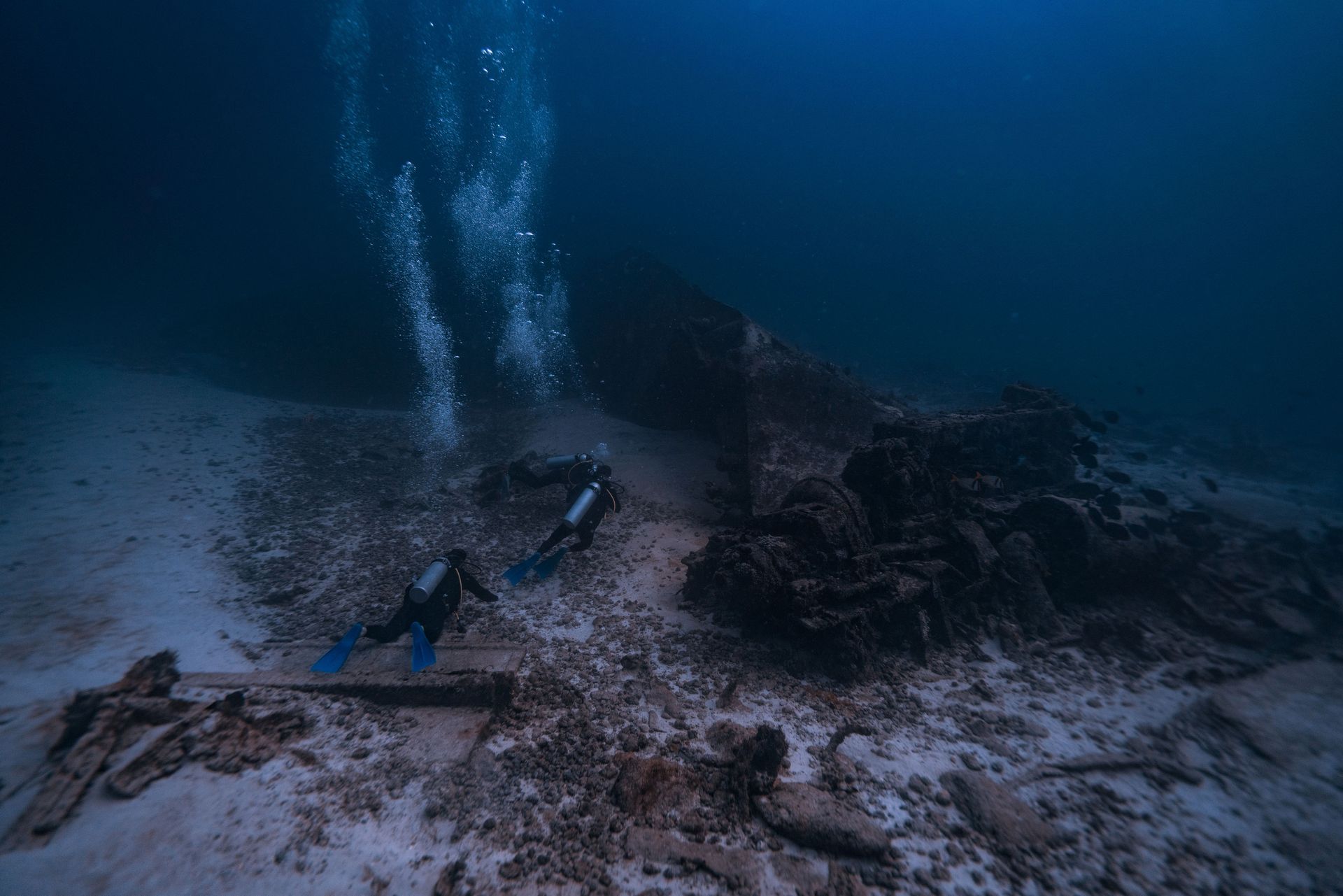
Three medieval shipwrecks found off Menorca's 'Cove of Mysteries'
Archaeologists have uncovered three previously unknown 13th-century shipwrecks off the coast of Menorca, likely sunk by sudden meteorological tsunamis. Their cargo, blending Christian and Moorish goods, offers a rare window into the trading world that connected medieval Iberia to the wider Mediterranean.

On this day, 10 July 1962: Telstar, the first active communications satellite, launches
On 10 July 1962, Telstar 1 launched from Cape Canaveral, becoming the first active satellite to relay television signals, telephone calls and data across the Atlantic. The satellite's brief but historic mission kicked off the era of live intercontinental broadcasting and helped establish the technical foundations of modern satellite communications.