Jeff Bezos's Prometheus raises $12 billion to build an "artificial general engineer"
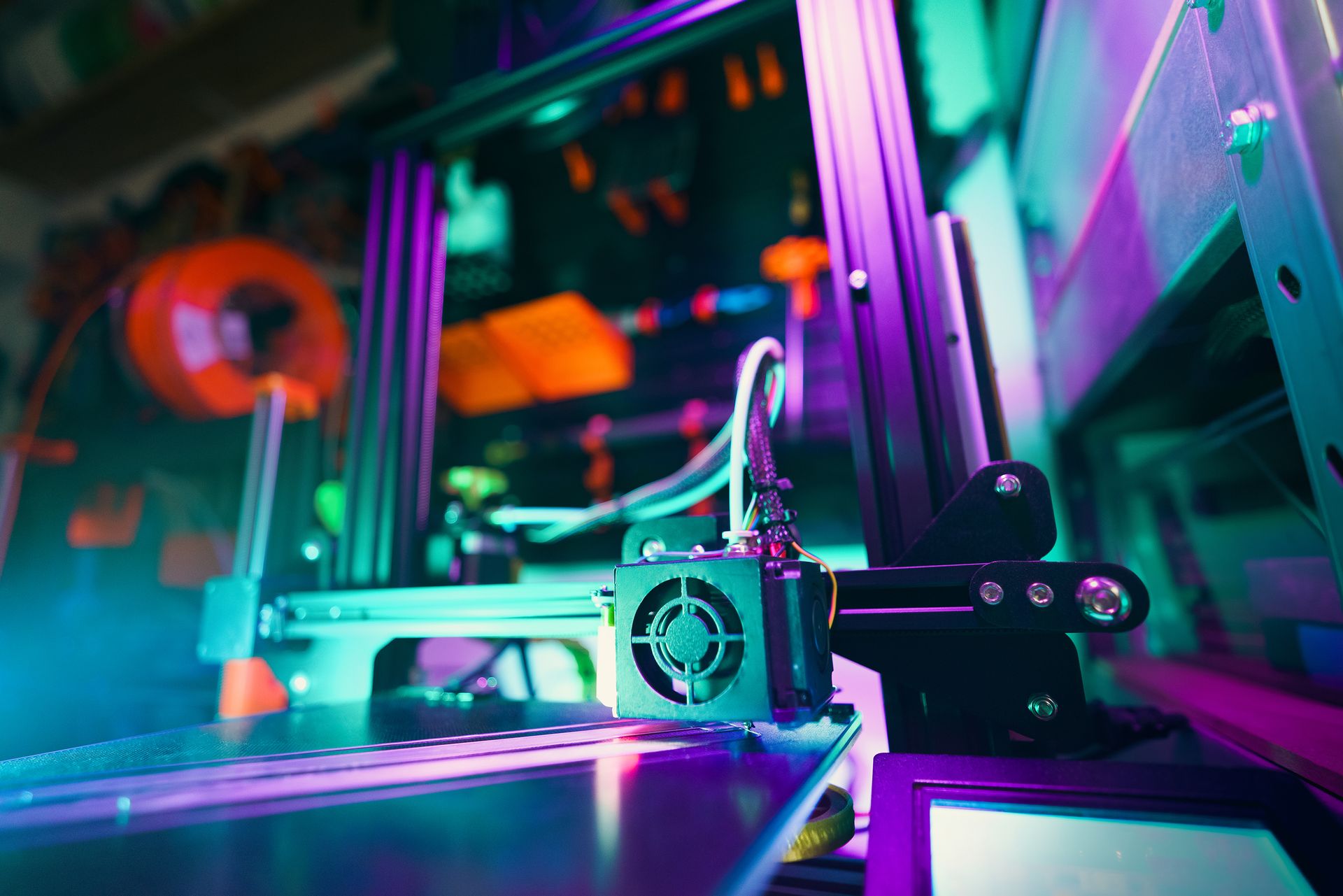
According to a TechCrunch report, Jeff Bezos has announced a 12 billion US dollar financing round for Prometheus, a new company that he had long kept under wraps. The company's stated aim is to build what Bezos calls an "artificial general engineer" — a single AI agent that can design a part in the physical world, fabricate it and test it.
The concept needs some unpacking. AGI, artificial general intelligence, is a term used for language and reasoning. The term Bezos has chosen, "artificial general engineer," puts the difference in hardware. Generating the CAD model of a mechanical part, choosing materials, fabricating it on a workshop floor, testing it and revising the design in a feedback loop — the claim is to run that end-to-end process through a single model.
Why 12 billion dollars? A round of that size is well above what existing AI start-ups have grown accustomed to. For comparison, one of OpenAI's recent rounds was 6.6 billion dollars; Anthropic's May 2026 estimated valuation is around 175 billion dollars. The 12 billion dollars at Prometheus are earmarked for robotics prototyping, factory partners, GPU training capacity and long-term R&D.
The TechCrunch report also discusses the investor mix. Bezos Expeditions is named as the lead investor, alongside Silicon Valley VC firms, Saudi and Qatari sovereign funds and several strategic partners. Some investors avoided being identified to the Wall Street Journal, which fits Prometheus's earlier preference for staying out of view.
The competition is dense. Humanoid-robot start-ups like 1X, Figure, Apptronik, Tesla Optimus, Agility Robotics and Sanctuary AI are hardware-led; companies like Physical Intelligence and Skild AI are concentrating on robot-control models. Prometheus says it is targeting both fronts at once — a hardware production line plus a general control model.
The technical challenges are real. The concept of an artificial general engineer runs into hard problems: transferring from simulation to the physical world ("sim-to-real"), feedback inside long decision chains, the physical realities of materials and tolerances. There remain large gaps between the right CAD design for a part, the right software commands that drive its fabrication and the right test procedures.
What is Bezos's personal role? After leaving the Amazon CEO seat in 2021, Bezos focused on Blue Origin and has said that he will not take a full-time executive role at Prometheus but will spend a few days a week as a direction-setter. The announced operational CEO is John Doe Anderson, an engineer who has held leadership roles at Pixar and Boston Dynamics.
The regulatory framework is not yet in place. In the United States there are some state-level AI rules; the European Union's AI Act could place physical robots into a high-risk class. In Türkiye, there is no dedicated framework for robotics manufacturing and the industrial use of AI yet, but the Ministry of Industry and Technology listed robotics-driven production as one of the priority areas in its 2025 strategy document.
Financial risks and opportunities run in parallel. How the 12 billion dollars in capital are spent and when the first revenue stream arrives will determine whether Prometheus wins as a research race or as a commercial product. If R&D spending crosses one billion dollars a year and revenue does not arrive within five years, a second round or a merger with a strategic acquirer could come on the table.
The practical take-away for Vesper readers is that the AI race is shifting from language and text-based products toward physical engineering. The Prometheus announcement is a clear sign that capital is flowing in that direction. For the developing robotics technology and manufacturing industry in Türkiye, this could be a strategic turning point both in technical tracking and in talent retention.
Read next

A jacket that harvests drinking water from the air: how UT Austin's research works
Engineers at the University of Texas at Austin have developed a wearable jacket that pulls drinking water from atmospheric humidity. The design relies on a special hydrogel that absorbs water; it offers a broad range of applications from daily use to emergency settings.

What is NASA's Deep Space Network? How it kept up with Artemis II
NASA's Deep Space Network keeps in touch with missions flying to the Moon and beyond through three giant antennas spread across three continents. Ars Technica explains how the system, which came close to breaking point during the Artemis II flight, held up and what that means for the future Artemis III and Mars missions.

Amazon data centres used 2.5 billion gallons of water: AI's hidden water footprint
Amazon's sustainability report has shown that its data centres consumed 2.5 billion US gallons of water last year. The Verge examined what that number means, which regions are bearing the load and how data centre water use should be measured in the age of artificial intelligence.
SpaceX prices shares at $135 in the largest IPO ever: what the listing means for the market
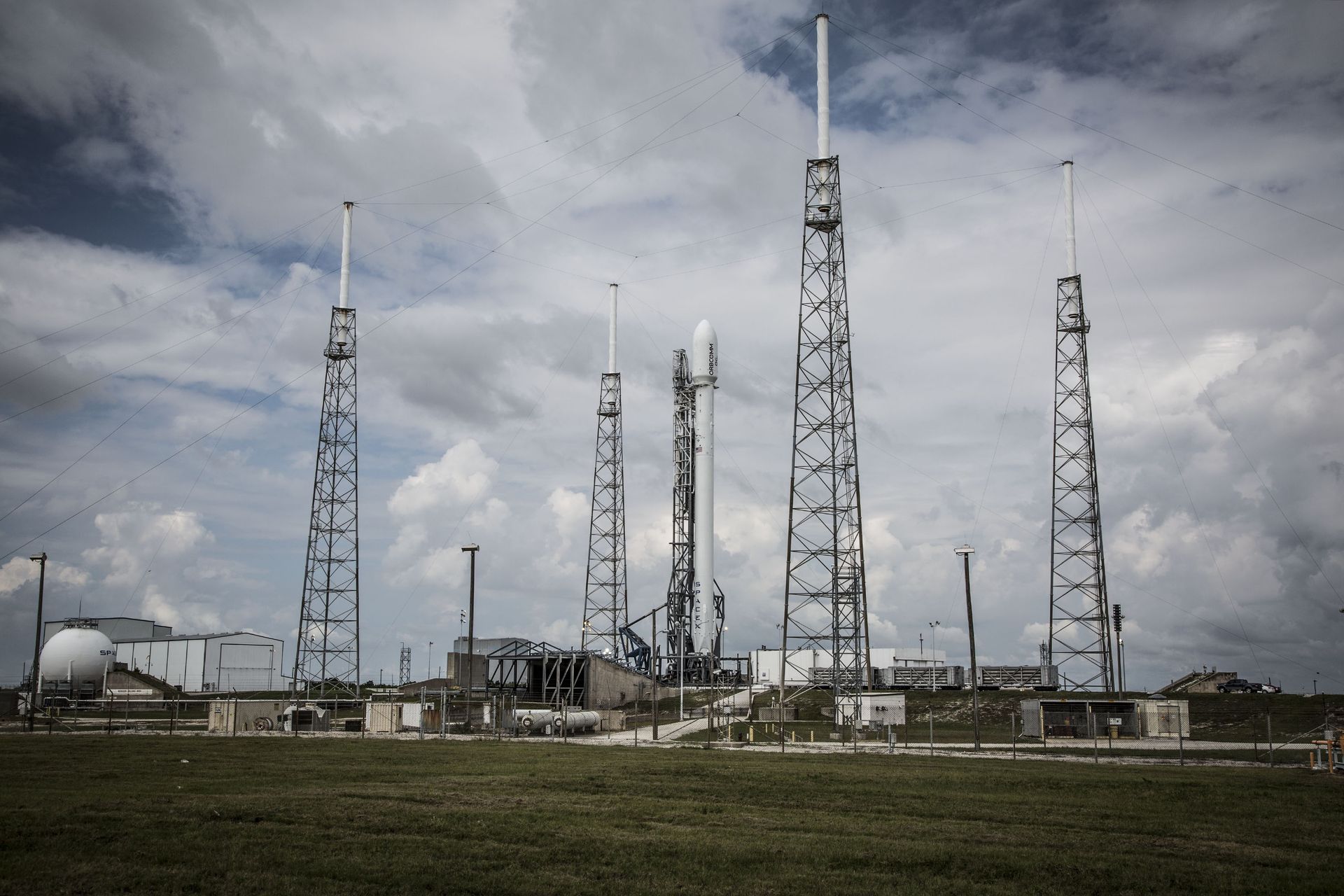
SpaceX has set its IPO share price at 135 US dollars, making it the largest stock-market debut by volume in history. TechCrunch reported the number of shares issued, the resulting company valuation and the position of existing SPV investors.

How Wing's drone delivery moved from novelty to routine
Alphabet's drone delivery unit Wing has shifted, over the past year, from a TV story to a logistics watchlist entry. Operational figures reported by TechCrunch show drone delivery is no longer a novelty but a settled flow.