SpaceX prices shares at $135 in the largest IPO ever: what the listing means for the market
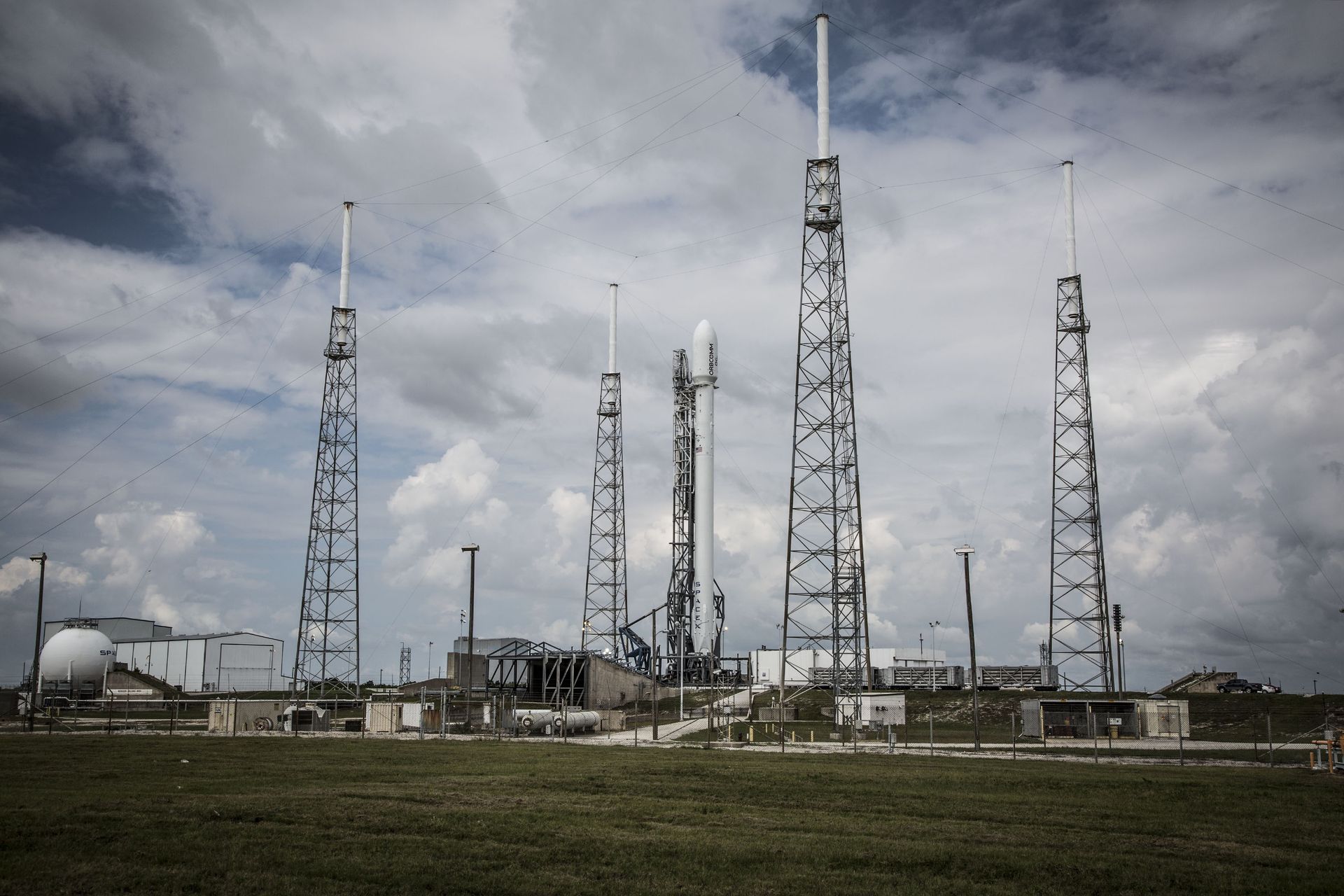
According to a TechCrunch report, SpaceX has officially set its IPO share price at 135 US dollars. Given the total number of shares issued, the transaction will be the largest IPO in history by volume. The company's post-listing market capitalisation lands in the 600 to 700 billion US dollar range.
To understand the scale, comparisons help. Saudi Aramco's 2019 IPO had held the record at 25.6 billion dollars; Alibaba's 2014 New York listing was 25 billion. SpaceX's IPO volume is expected to exceed those figures — the precise number is estimated at around 26 billion dollars.
Why this much demand? SpaceX has two main lines of business: Falcon and Starship rocket launch services (for NASA, the Pentagon and private satellite operators), and the Starlink satellite internet service (130 million subscribers). Over the last three years Starlink has become one of the fastest-growing telecom services in the world and is reported to have crossed into operating profit.
According to TechCrunch, the listing will trade on NASDAQ under the ticker "SPCX," with Goldman Sachs, Morgan Stanley and JPMorgan as underwriters. Analyst expectations cited in the report suggest a first-day opening price between 10 and 30 per cent above the IPO price.
The position of existing SPV investors is a critical topic. SpaceX's pre-IPO investor base held an extensive footprint through individual SPVs — special purpose investment vehicles. According to a separate TechCrunch report, those investors will learn their true share counts only after post-IPO lock-ups expire. For some, that could mean an unexpected tax liability.
In the regulatory frame, the SEC's S-1 review has been completed and the listing has been cleared. CFIUS — the foreign investment review committee — has also reviewed whether the company's current NASA and Pentagon contracts contain any international ownership constraints. Because those contracts require security clearance limited to US citizens, certain decisions will continue to be subject to shareholder control restrictions even after the IPO.
The shadowy side is Elon Musk's dual role. Musk is both CEO of SpaceX and CEO of the publicly listed Tesla. SpaceX's IPO leaves Musk as CEO of two public companies — a rare configuration for corporate governance. Independent director appointments, conflict-of-interest policies and audit committee structure have been reviewed by the SEC in particular detail ahead of the listing.
The macroeconomic context is critical to IPO success. The US federal interest rate has been on a declining trend for the past 12 months and the technology sector has reopened the IPO market in the first half of 2026 (Klarna, Stripe and Discord first among them). SpaceX's success could set a precedent for the OpenAI and Anthropic IPOs expected to follow.
From a Turkish perspective, the SpaceX IPO is not a direct investment but a reference event. Turkish space start-ups — RoketSan and BAYKAR's space subsidiary — and partners of Türksat have been briefed. Individual investors in Türkiye can access SpaceX shares through international brokerage accounts; there is no direct channel for pre-IPO purchase through MKK.
The practical take-away for Vesper readers is that the SpaceX IPO clarifies the positioning of the space economy as an infrastructure sector in public capital markets. Satellite communications, launch services and the low-orbit economy are now a distinct asset class for investors. This is less an IPO than the pricing of an industrial inflection point.
Read next

A jacket that harvests drinking water from the air: how UT Austin's research works
Engineers at the University of Texas at Austin have developed a wearable jacket that pulls drinking water from atmospheric humidity. The design relies on a special hydrogel that absorbs water; it offers a broad range of applications from daily use to emergency settings.

What is NASA's Deep Space Network? How it kept up with Artemis II
NASA's Deep Space Network keeps in touch with missions flying to the Moon and beyond through three giant antennas spread across three continents. Ars Technica explains how the system, which came close to breaking point during the Artemis II flight, held up and what that means for the future Artemis III and Mars missions.

Amazon data centres used 2.5 billion gallons of water: AI's hidden water footprint
Amazon's sustainability report has shown that its data centres consumed 2.5 billion US gallons of water last year. The Verge examined what that number means, which regions are bearing the load and how data centre water use should be measured in the age of artificial intelligence.
Jeff Bezos's Prometheus raises $12 billion to build an "artificial general engineer"
Jeff Bezos's new company, Prometheus, has said it has raised 12 billion US dollars to build an "artificial general engineer" that can run the design–build–test loop in the physical world end-to-end. TechCrunch reported the financing terms and the company's positioning against existing robotics and AI rivals.

How Wing's drone delivery moved from novelty to routine
Alphabet's drone delivery unit Wing has shifted, over the past year, from a TV story to a logistics watchlist entry. Operational figures reported by TechCrunch show drone delivery is no longer a novelty but a settled flow.