Amazon data centres used 2.5 billion gallons of water: AI's hidden water footprint

According to The Verge's analysis of Amazon's latest sustainability report, the company's global data centre network used about 2.5 billion US gallons — more than 9.5 billion litres — of water last year. The number has significantly raised attention to hyperscale data centre water use and put on the agenda the concern that, in the age of artificial intelligence, the figure will only grow.
Why do data centres use water? The first and largest use is cooling. In modern hyperscale facilities the heat produced by thousands of running servers is removed through evaporative cooling towers. Evaporated water carried by air-flow keeps equipment at safe temperatures. The second use is indirect water consumption in electricity generation — Amazon's sustainability report does not add that figure to direct consumption.
The Verge report puts the 2.5 billion gallon figure into context. Compared with an average American's yearly household use (around 33,000 gallons), the figure is roughly equivalent to 75,000 households' annual consumption. A single Amazon data centre campus can use between one and three million gallons a day, approaching half the daily consumption of some cities.
The geographic distribution matters too. Amazon Web Services' fastest-growing data centre regions include Virginia (especially Loudoun County), Oregon, Arizona and Ohio. Some of these regions — Arizona in particular — sit in a climate of high water stress. The Verge reports that local water authorities in Arizona have begun monitoring more closely the consumption commitments of Amazon and other hyperscale operators.
The artificial intelligence factor magnifies the question. GPU-intensive AI training workloads produce three to five times more heat per hour than traditional enterprise compute workloads. That means more water is needed to carry the cooling load. A GPT-class large language model training run can use thousands of gallons inside a data centre; per query, water use ranges from about 16 millilitres to 50 millilitres.
Amazon's response is multi-pronged. The company has committed to becoming "water positive" by 2030 — returning as much water to communities as it consumes. The target is met through rainwater harvesting, wastewater recycling, wetland restoration and local water infrastructure projects. Amazon is also accelerating the move to hardware techniques that lower water use, such as direct-to-chip liquid cooling.
What are the competitors doing? Google's March 2026 sustainability report disclosed about 6.1 billion gallons, while Microsoft reported about 1.7 billion gallons. All three use different measurement methodologies; The Verge notes that the industry has not yet agreed on a common standard.
The regulatory framework remains in early stages. In the United States, some states — Virginia and Oregon in particular — have started requiring water-use permits for new data centres. The European Union's Corporate Sustainability Reporting Directive CSRD requires large companies to report water consumption figures using a standard methodology starting in 2025. In Türkiye, the Ministry of Industry has begun a study on data centre water use, but reporting is not yet mandatory.
Long-term technical solutions exist. Liquid cooling removes heat from GPUs directly via liquid-contact plates and does not require evaporation. Free cooling — using outside air — provides large savings in cooler climates year-round. Geothermal heat pump integrations are being tested in some pilot projects. If these technologies become widespread, they could reduce data centre water intensity by 50 to 80 per cent.
The practical take-away for Vesper readers is that there is a water cost to using artificial intelligence and that cost, hidden behind any ChatGPT or Claude query, is real. For Türkiye's growing data centre investments — particularly in Istanbul and Ankara — water infrastructure planning should become a priority. The industry agreeing on a common methodology and reporting transparently is a successful starting point for the sustainability conversation.
Read next

A jacket that harvests drinking water from the air: how UT Austin's research works
Engineers at the University of Texas at Austin have developed a wearable jacket that pulls drinking water from atmospheric humidity. The design relies on a special hydrogel that absorbs water; it offers a broad range of applications from daily use to emergency settings.

What is NASA's Deep Space Network? How it kept up with Artemis II
NASA's Deep Space Network keeps in touch with missions flying to the Moon and beyond through three giant antennas spread across three continents. Ars Technica explains how the system, which came close to breaking point during the Artemis II flight, held up and what that means for the future Artemis III and Mars missions.
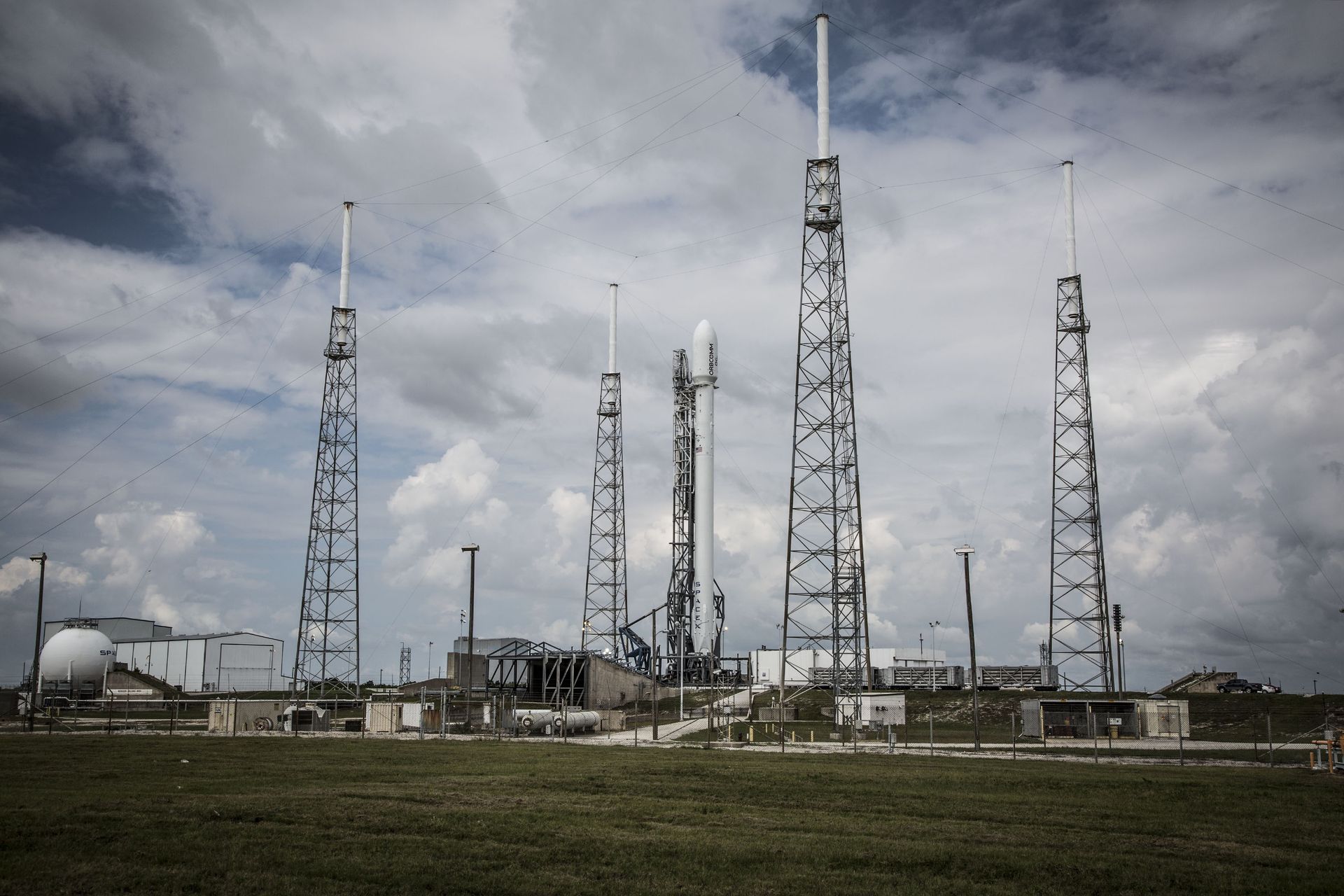
SpaceX prices shares at $135 in the largest IPO ever: what the listing means for the market
SpaceX has set its IPO share price at 135 US dollars, making it the largest stock-market debut by volume in history. TechCrunch reported the number of shares issued, the resulting company valuation and the position of existing SPV investors.
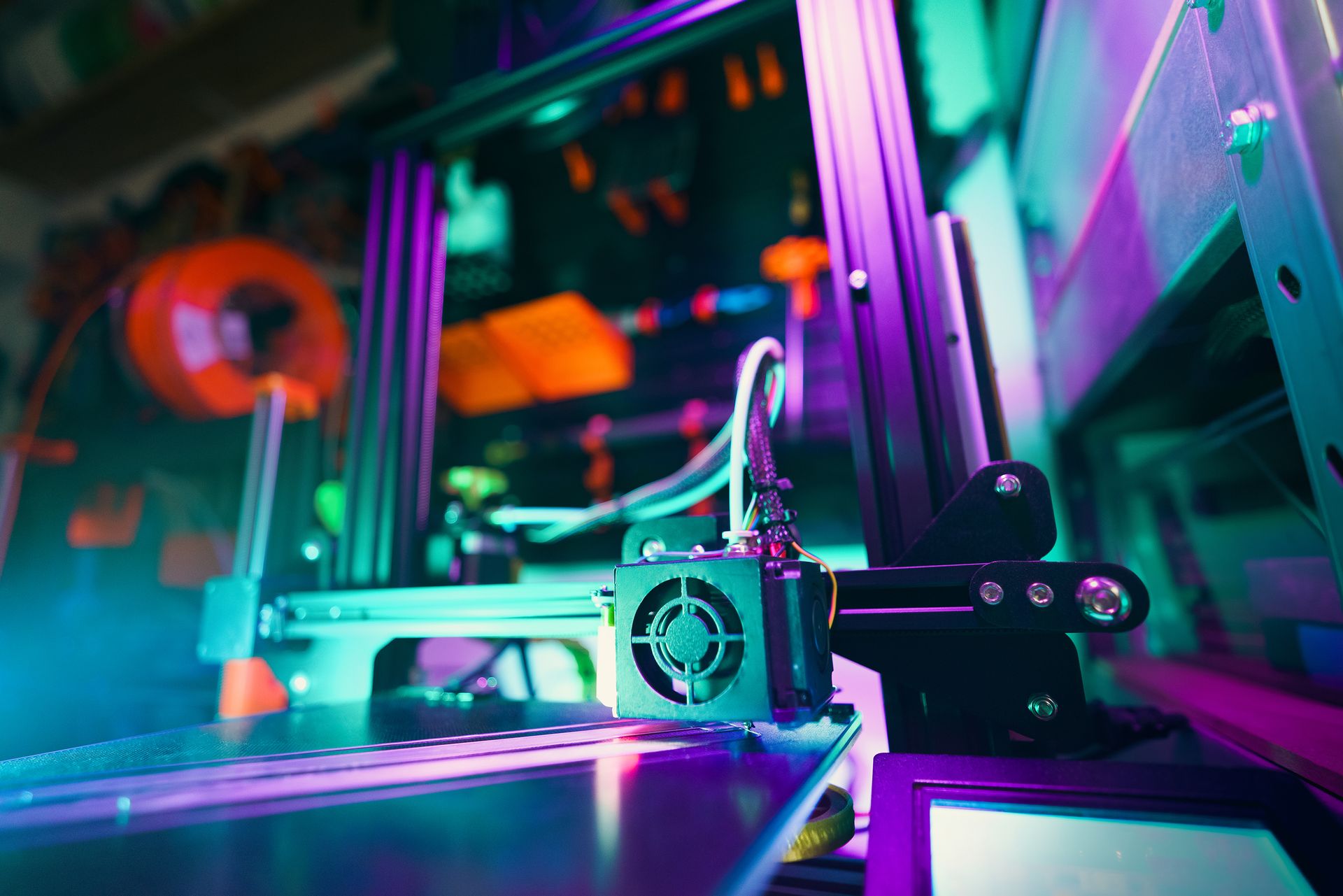
Jeff Bezos's Prometheus raises $12 billion to build an "artificial general engineer"
Jeff Bezos's new company, Prometheus, has said it has raised 12 billion US dollars to build an "artificial general engineer" that can run the design–build–test loop in the physical world end-to-end. TechCrunch reported the financing terms and the company's positioning against existing robotics and AI rivals.
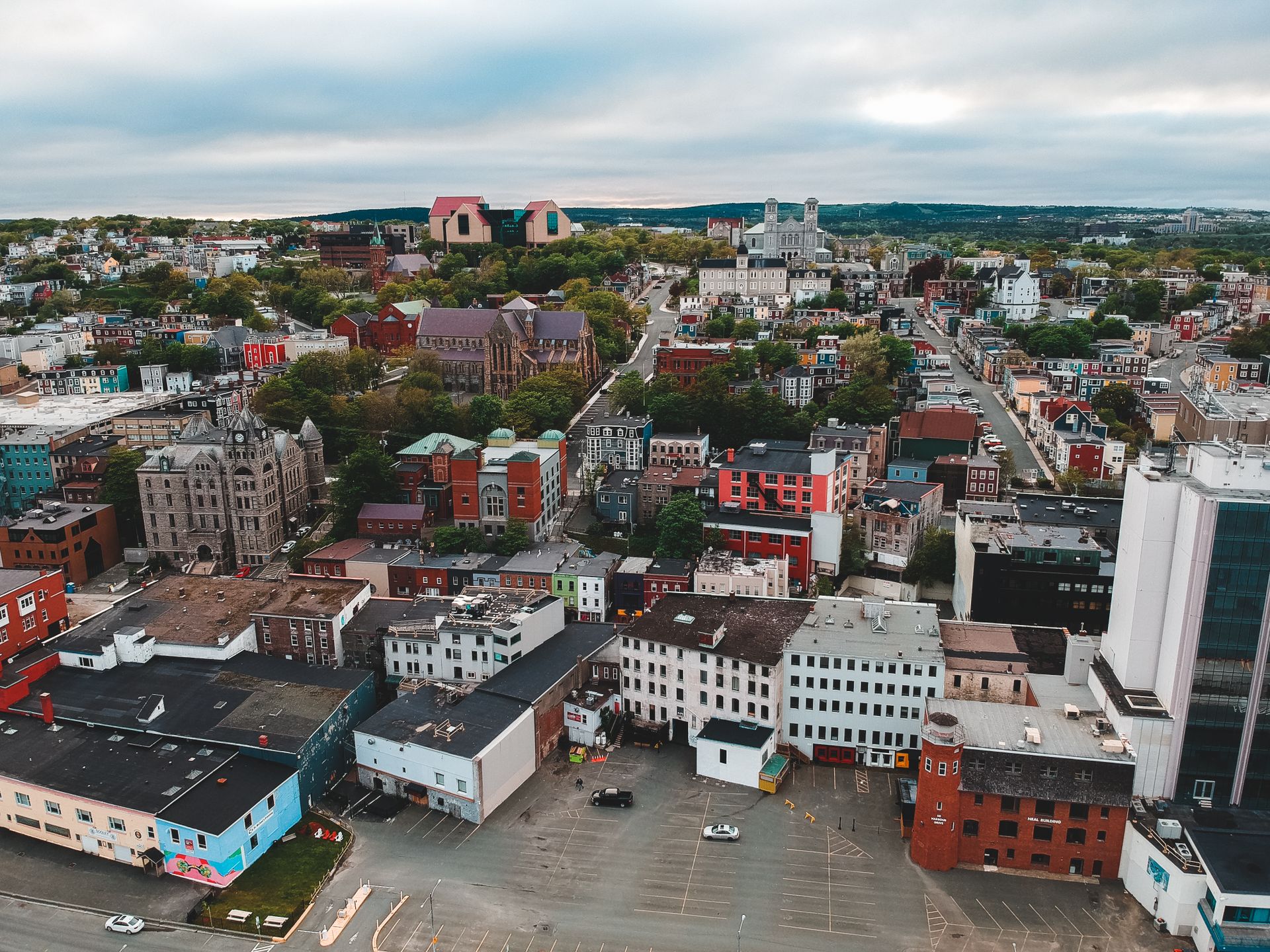
How Wing's drone delivery moved from novelty to routine
Alphabet's drone delivery unit Wing has shifted, over the past year, from a TV story to a logistics watchlist entry. Operational figures reported by TechCrunch show drone delivery is no longer a novelty but a settled flow.