What selling 2,500 MIDI recorders taught one engineer about hardware startups

Hardware entrepreneurship is often seen in the tech world as a far more intimidating domain than software: it carries risks — manufacturing, inventory, shipping, physical defects — that software simply doesn't encounter. An essay written by an engineer after selling 2,500 units of a small MIDI recording device they designed themselves lays out how much of that perception holds up, and how much is overstated.
The device is a relatively simple piece of electronics that lets musicians record performance data coming from their MIDI instruments. The engineer describes starting the project as a small prototype, which turned into a genuine production run after the product drew unexpected interest.
One of the essay's most striking points is the claim that hardware manufacturing isn't as inaccessible as commonly assumed. The author stresses that working with small-scale manufacturing shops, using circuit board fabrication services, and handling most of the assembly process personally made it possible for a single person to produce thousands of units on a reasonable budget.
Still, the essay clearly lays out where hardware fundamentally differs from software. A software bug can be fixed instantly with an update, but a design flaw discovered in a thousand already-manufactured electronic boards can turn into a genuine cost and logistics crisis.
Supply chain management is another critical area the essay highlights. Delays in component sourcing, price fluctuations, and specific parts suddenly going out of production mean hardware founders constantly need a backup plan.
Customer support also places a far heavier burden on hardware products than on software. When a physical product malfunctions, it requires a returns, repair or replacement process — a significant time cost for a one-person venture.
Still, the author stresses that despite these challenges, hardware entrepreneurship has been an instructive and satisfying experience. A physical product sitting as a tangible object on a customer's desk creates a kind of direct connection rarely felt with software products.
The financial side of the project is also notable: while 2,500 units is modest by the standards of a large hardware company, it's viewed as a significant achievement for a venture one person started as a side project.
The essay has become a reference point for engineers with a similar hardware idea who are hesitant about the complexity of the manufacturing process; commenters shared their own similar experiences with small-scale hardware projects of their own.
Ultimately, the story shows that while hardware entrepreneurship is harder than software, it's also far more accessible than assumed when approached with the right expectations and started at a small scale.
Read next
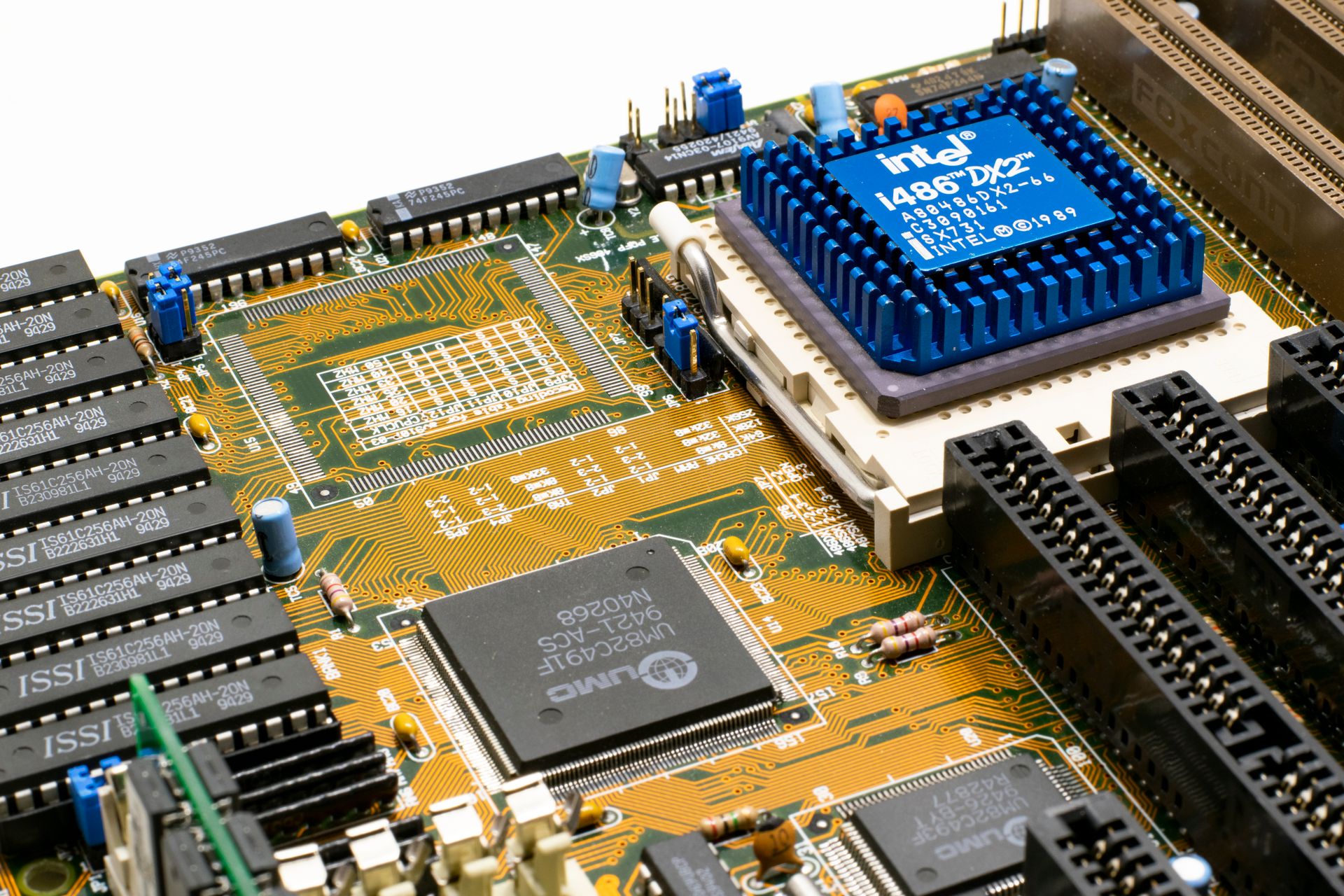
What is Itanium, and why did a hobbyist bring the dead chip architecture back to life?
A hobbyist developer has built an emulator that mimics Intel's discontinued Itanium (IA-64) processor architecture, capable of booting real versions of Windows. The project shines new light on a chip architecture widely considered a commercial failure but still fascinating from an engineering standpoint.

Mosquito ranges are expanding: why better monitoring is key to preventing disease
Climate change and urbanization are letting mosquitoes spread into regions where they previously couldn't survive, raising the risk that diseases like malaria and dengue reach places that have never seen them. Experts say early-warning monitoring systems, while costly, are the most effective way to prevent outbreaks.

India's first privately built rocket reaches orbit on a dramatic debut launch
A rocket developed by an Indian private space company has become the country's first privately built vehicle to reach orbit, succeeding on its very first attempt. The milestone is seen as a turning point for India's fast-growing private space industry.

Netflix paid $587M for Ben Affleck's AI filmmaking startup: what it signals for Hollywood
Netflix has announced it paid $587 million in cash to acquire InterPositive, an AI-powered filmmaking startup co-founded by actor and producer Ben Affleck. The deal is one of the largest recent examples of a streaming platform investing in AI to cut production costs.

What is prior authorization, and can AI actually fix it?
Prior authorization — one of the most hated bottlenecks in US healthcare — is now being automated with AI by both insurers and hospitals. But experts warn the same technology that promises to speed up approvals could just as easily make the standoff between the two sides worse.