India's first privately built rocket reaches orbit on a dramatic debut launch
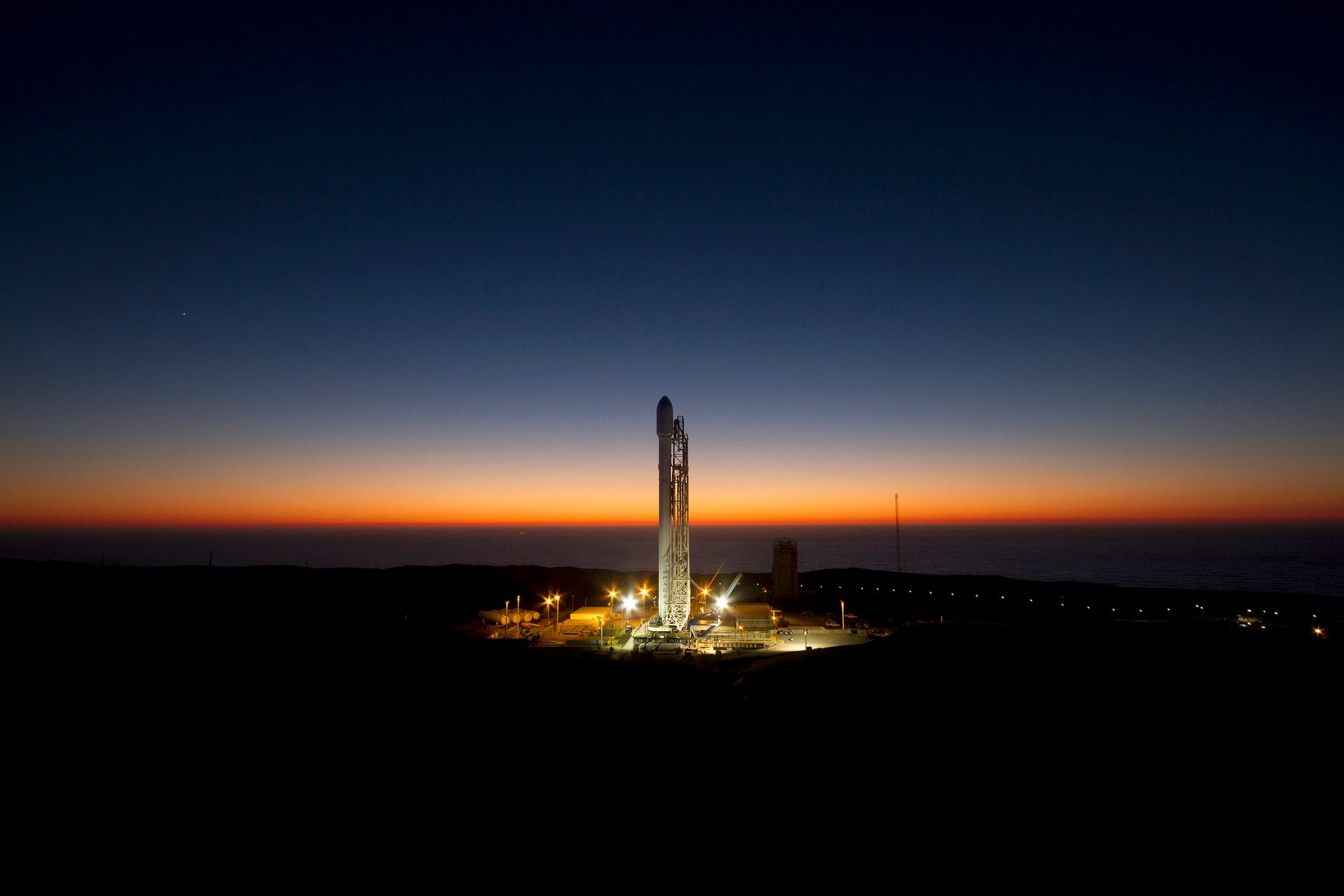
A domain long monopolised by India's state space agency, ISRO, is now being shared. A rocket developed by one of the country's private space companies reached orbit on its very first launch attempt, marking India's first orbital launch built by the private sector.
The significance of the achievement lies in the fact that it succeeded on the first try. In the history of rocket development, debut launches typically fail; even SpaceX's Falcon 1 suffered three failed attempts before reaching orbit. In that context, reaching orbit on a first attempt is a rare engineering feat.
Even those inside the mission were caught off guard. One official on the launch team summed up how risky the process was seen to be, saying, 'On the first attempt, reaching orbit, I never thought it was possible.' Such candid admissions are also notable as a rare degree of openness in the sector.
India's transformation in the space sector is part of a broader liberalisation process that has gathered pace in recent years. The country introduced regulations in the early 2020s allowing private companies to enter the launch market, gradually opening up a structure that had been under state monopoly for decades.
The logic behind this opening is economic. ISRO has traditionally been known for low-cost launches, but global demand — particularly from small satellite operators — has outstripped the state agency's capacity. Private companies aim to meet that demand by offering more flexible, faster-response launch infrastructure.
India's ambitions in this sector are not limited to the domestic market. The country aims to build an industry capable of competing in the global commercial launch market with SpaceX, Rocket Lab and China's state-backed launch providers; low-cost labour and established engineering infrastructure give it a significant advantage toward that goal.
The successful launch is also expected to bolster investor confidence. India's private space ventures have attracted significant venture capital over the past few years, but without a genuine orbital success, much of that investment remained speculative. This launch gives the sector concrete technical proof.
The company shared limited technical details about the rocket, but it is known that the launch took place from the country's own launch site and that the vehicle falls into the small-to-medium satellite class. That class is considered one of the fastest-growing segments of the global launch market.
Experts expect this success to draw new players into India's space ecosystem. Multiple private rocket ventures in the country are already at various stages of development; this first success represents both an incentive and a new bar for competing companies to clear.
For India's space programme, this is as much a symbolic moment as a strategic one: the country is now positioning itself on the global stage not just as a state-backed space power, but as a player with a private-sector-driven launch economy.
Read next

What selling 2,500 MIDI recorders taught one engineer about hardware startups
An engineer shared the lessons learned after selling 2,500 units of a small MIDI recording device they designed themselves. The experience illustrates why building a hardware business differs so sharply from software — and why it's often more accessible than assumed.
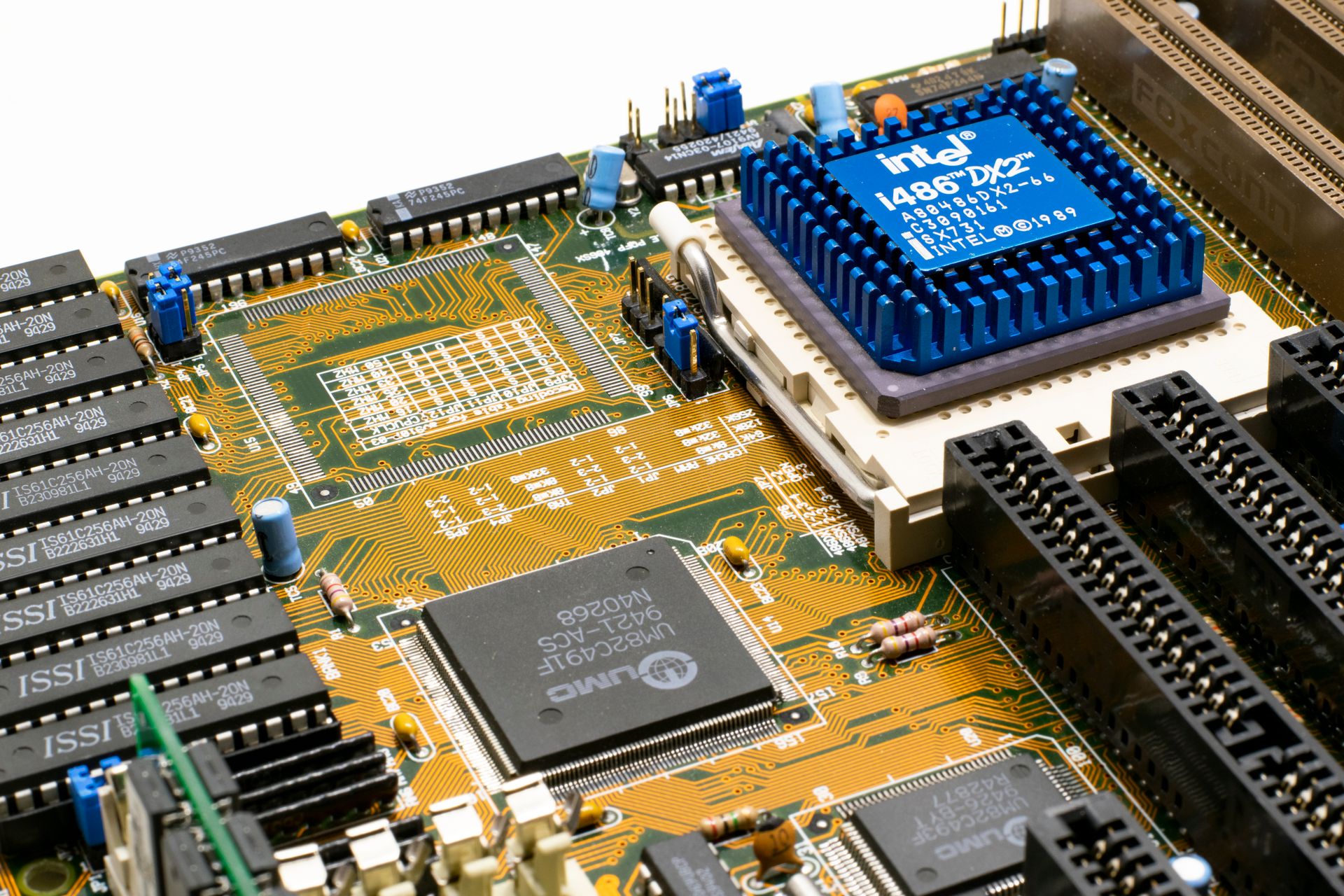
What is Itanium, and why did a hobbyist bring the dead chip architecture back to life?
A hobbyist developer has built an emulator that mimics Intel's discontinued Itanium (IA-64) processor architecture, capable of booting real versions of Windows. The project shines new light on a chip architecture widely considered a commercial failure but still fascinating from an engineering standpoint.

Mosquito ranges are expanding: why better monitoring is key to preventing disease
Climate change and urbanization are letting mosquitoes spread into regions where they previously couldn't survive, raising the risk that diseases like malaria and dengue reach places that have never seen them. Experts say early-warning monitoring systems, while costly, are the most effective way to prevent outbreaks.

Netflix paid $587M for Ben Affleck's AI filmmaking startup: what it signals for Hollywood
Netflix has announced it paid $587 million in cash to acquire InterPositive, an AI-powered filmmaking startup co-founded by actor and producer Ben Affleck. The deal is one of the largest recent examples of a streaming platform investing in AI to cut production costs.

What is prior authorization, and can AI actually fix it?
Prior authorization — one of the most hated bottlenecks in US healthcare — is now being automated with AI by both insurers and hospitals. But experts warn the same technology that promises to speed up approvals could just as easily make the standoff between the two sides worse.