Netflix paid $587M for Ben Affleck's AI filmmaking startup: what it signals for Hollywood

Netflix has announced it paid $587 million in cash to acquire InterPositive, a startup building AI-powered filmmaking tools. One of the company's co-founders is Ben Affleck, known for both his acting and producing career. The deal stands out as one of the streaming giant's largest single acquisitions focused on artificial intelligence.
Affleck's ties to the business side of Hollywood are not new. The actor has previously lent his name to production ventures, including co-founding Artists Equity, seeking alternative production approaches to the traditional studio model. InterPositive fits that same trajectory, positioning itself as a venture aiming to accelerate specific stages of the production process using AI tools.
Netflix acquiring a company like this is no coincidence. The platform has invested heavily in technology in recent years to cut down content production costs, particularly in labor-intensive stages such as visual effects, pre-visualization and post-production, where AI tools are seen as capable of speeding up the process.
The scale of the deal is notable in its own right. The $587 million cash payment represents a substantial valuation for a relatively young company like InterPositive, and signals that Netflix intends to integrate AI investment directly into its production pipeline rather than treat it as an experimental side project.
The acquisition also lands squarely within an ongoing debate about AI's role in Hollywood. The 2023 actors' and writers' strikes were shaped substantially around concerns over how AI would affect creative professionals' jobs; unions demanded — and won some — contractual protections around the use of AI tools.
Netflix's move could push other players in the industry toward similar acquisitions. Competing platforms and traditional studios are already exploring building or buying their own AI toolsets, and the InterPositive deal signals that this race may be accelerating.
Affleck's position in this space offers an interesting angle: a figure who both advocates for AI's entry into creative processes and works in an industry where his own acting career could itself be affected by such technologies now finds himself on the selling side of that deal.
Directors at the forefront of the industry, such as Christopher Nolan, have voiced cautious criticism of AI's entry into filmmaking; Nolan recently described AI as an 'obvious Trojan horse' for the film industry. Comments like these underscore a deep divide within the industry over AI investment.
Details of exactly how Netflix will integrate InterPositive, which projects it will be used on, and the future role of the company's existing team have not yet been shared. Such uncertainty is common in the early stages of major technology acquisitions.
Still, the scale of the deal sends a signal on its own: for streaming platforms, AI is no longer just an experimental sandbox — it's becoming a strategic priority with a dedicated production budget behind it.
Read next

What selling 2,500 MIDI recorders taught one engineer about hardware startups
An engineer shared the lessons learned after selling 2,500 units of a small MIDI recording device they designed themselves. The experience illustrates why building a hardware business differs so sharply from software — and why it's often more accessible than assumed.
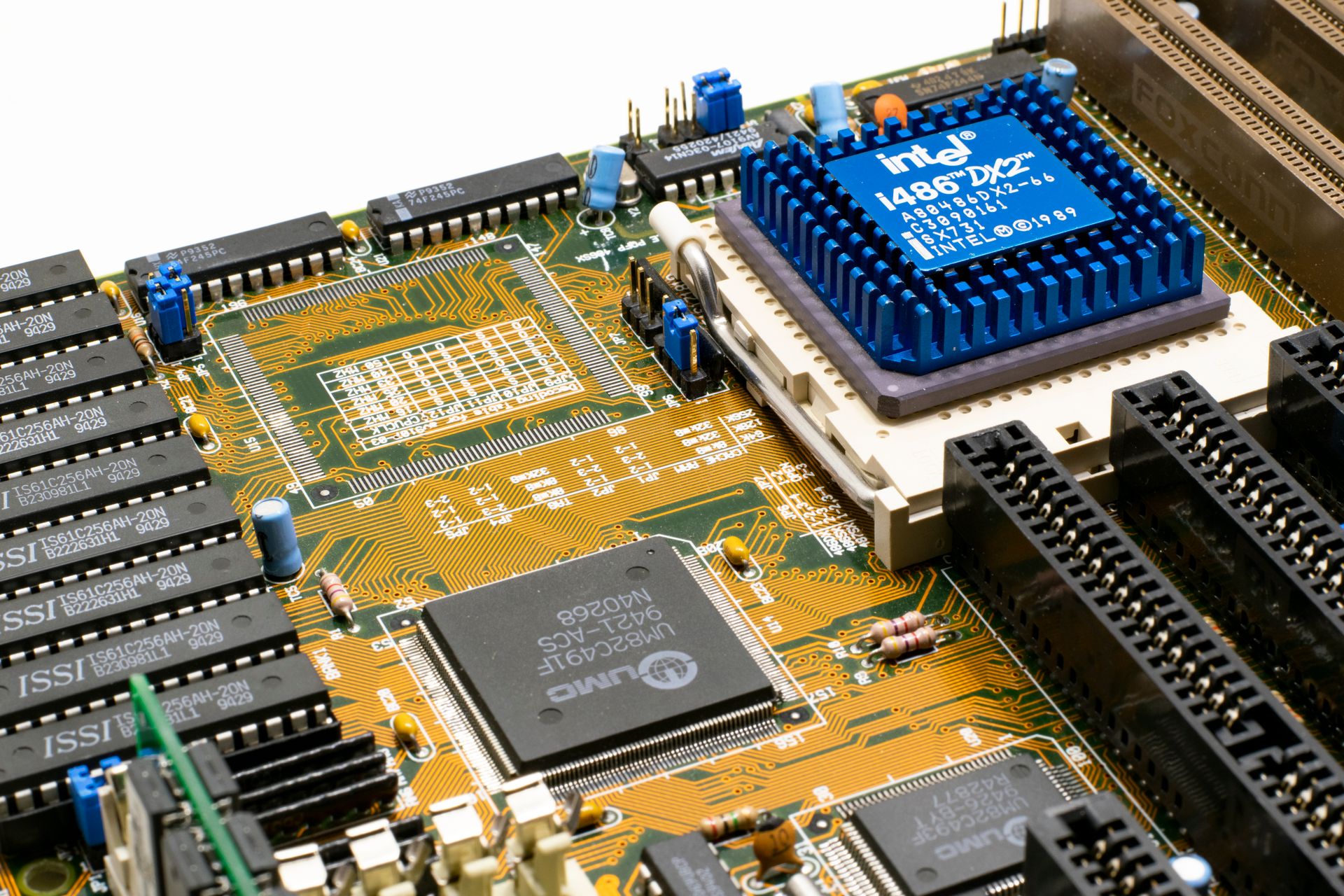
What is Itanium, and why did a hobbyist bring the dead chip architecture back to life?
A hobbyist developer has built an emulator that mimics Intel's discontinued Itanium (IA-64) processor architecture, capable of booting real versions of Windows. The project shines new light on a chip architecture widely considered a commercial failure but still fascinating from an engineering standpoint.

Mosquito ranges are expanding: why better monitoring is key to preventing disease
Climate change and urbanization are letting mosquitoes spread into regions where they previously couldn't survive, raising the risk that diseases like malaria and dengue reach places that have never seen them. Experts say early-warning monitoring systems, while costly, are the most effective way to prevent outbreaks.
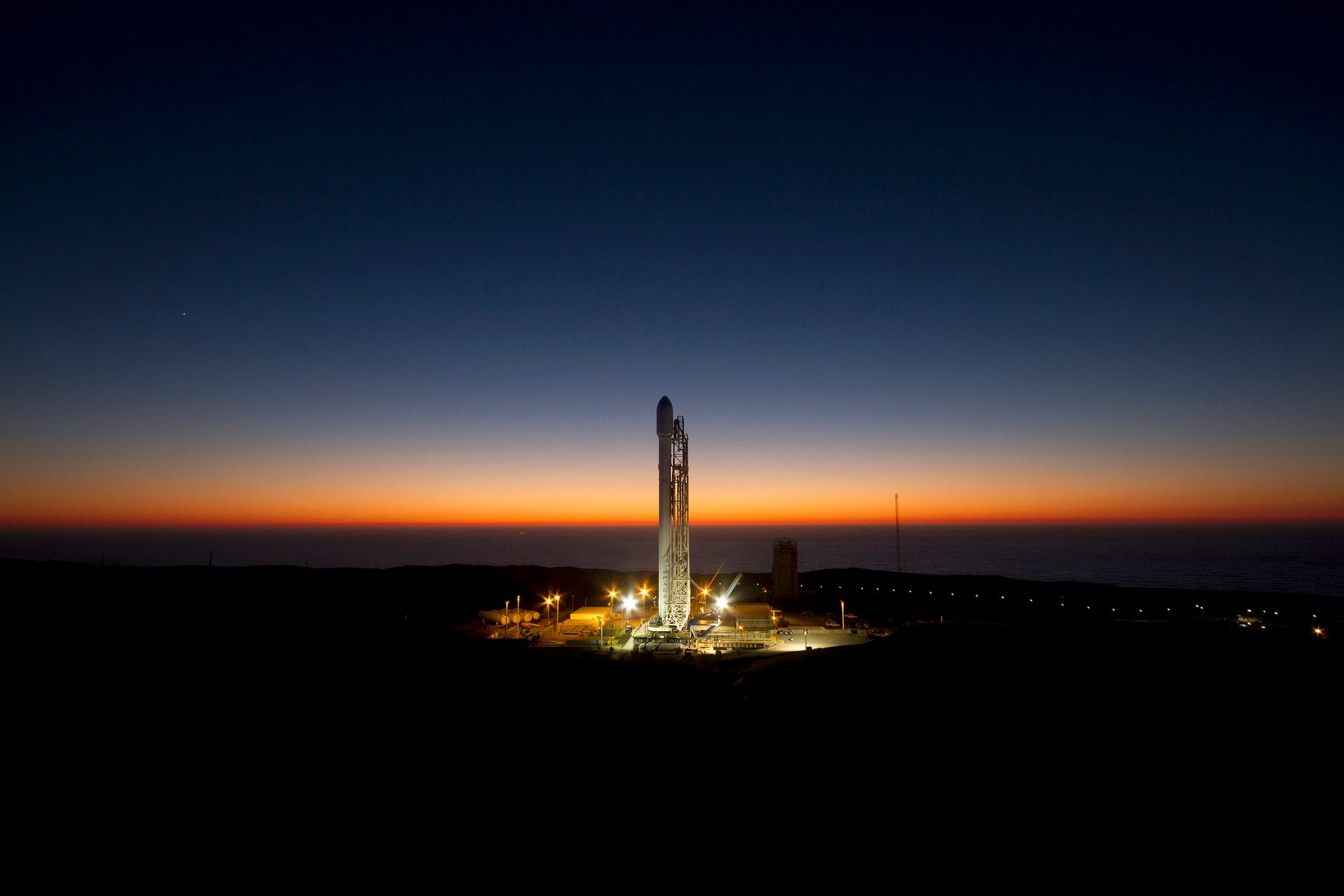
India's first privately built rocket reaches orbit on a dramatic debut launch
A rocket developed by an Indian private space company has become the country's first privately built vehicle to reach orbit, succeeding on its very first attempt. The milestone is seen as a turning point for India's fast-growing private space industry.

What is prior authorization, and can AI actually fix it?
Prior authorization — one of the most hated bottlenecks in US healthcare — is now being automated with AI by both insurers and hospitals. But experts warn the same technology that promises to speed up approvals could just as easily make the standoff between the two sides worse.