Mosquito ranges are expanding: why better monitoring is key to preventing disease
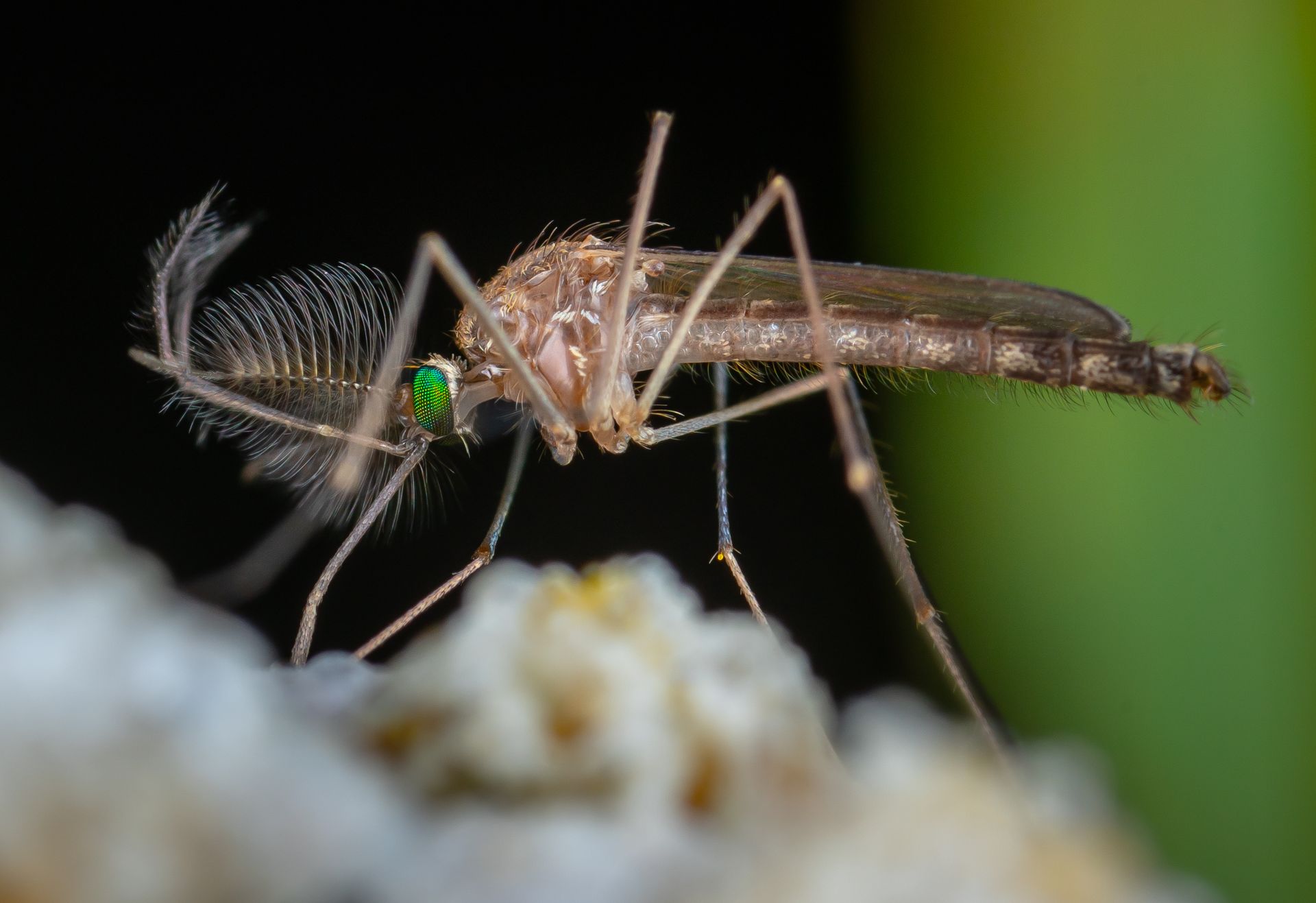
Mosquitoes are often called the deadliest animal on Earth — not because of their own aggression, but because of the diseases they carry. Malaria, dengue, chikungunya and Zika are all spread by mosquito species, and the geographic range of those species is shifting rapidly alongside climate change and urbanisation.
Temperature sits at the root of that shift. Disease-carrying species such as Aedes aegypti and Aedes albopictus were historically confined to tropical and subtropical regions, because both larval development and adult mosquito survival depend on a specific temperature range. As global average temperatures rise, that range is now expanding into latitudes previously considered unsuitable.
As a result, these species are now being detected in southern Europe, the northern United States, and at elevations where they were never previously found. This expansion directly raises the risk of local transmission of diseases that were previously unknown or rare in those regions.
Monitoring mosquito populations is far more complex and costly than it might sound. Public health teams need to identify larval breeding sites, measure adult mosquito density and test collected samples for disease agents — work that requires regular fieldwork, trap deployment and laboratory analysis.
The cost of this labour-intensive process typically falls on local budgets, and many regions — particularly low-income countries and rural areas — lack the resources to carry out this monitoring continuously and comprehensively. As a result, the early stages of mosquito range expansion often go unnoticed.
New approaches developed to close that gap include low-cost smart traps, AI-powered acoustic sensors that recognise mosquito sounds, and citizen science apps that let anyone contribute to species identification using photos taken with a smartphone.
Satellite data is also becoming an increasingly important tool. Researchers are combining rainfall patterns, temperature maps and vegetation data to build models that predict where mosquito breeding sites are likely to form — allowing high-risk areas to be prioritised before teams even go into the field.
The value of early-warning systems becomes clear when weighed against the cost of an outbreak. When a malaria or dengue outbreak erupts in a region, the costs of treatment, hospital beds and lost labour can far exceed the annual budget of a preventive monitoring system many times over.
Experts also stress that monitoring alone is not enough: an early-detected rise in mosquito populations only prevents disease if it's paired with a rapid response — draining breeding sites, targeted spraying, and community awareness campaigns.
For that reason, public health experts argue that investment in monitoring infrastructure is a central part of adapting to the new geographic reality brought by climate change: mosquitoes don't recognise borders, and the cost of tracking them is far lower than the cost of not tracking them at all.
Read next

What selling 2,500 MIDI recorders taught one engineer about hardware startups
An engineer shared the lessons learned after selling 2,500 units of a small MIDI recording device they designed themselves. The experience illustrates why building a hardware business differs so sharply from software — and why it's often more accessible than assumed.
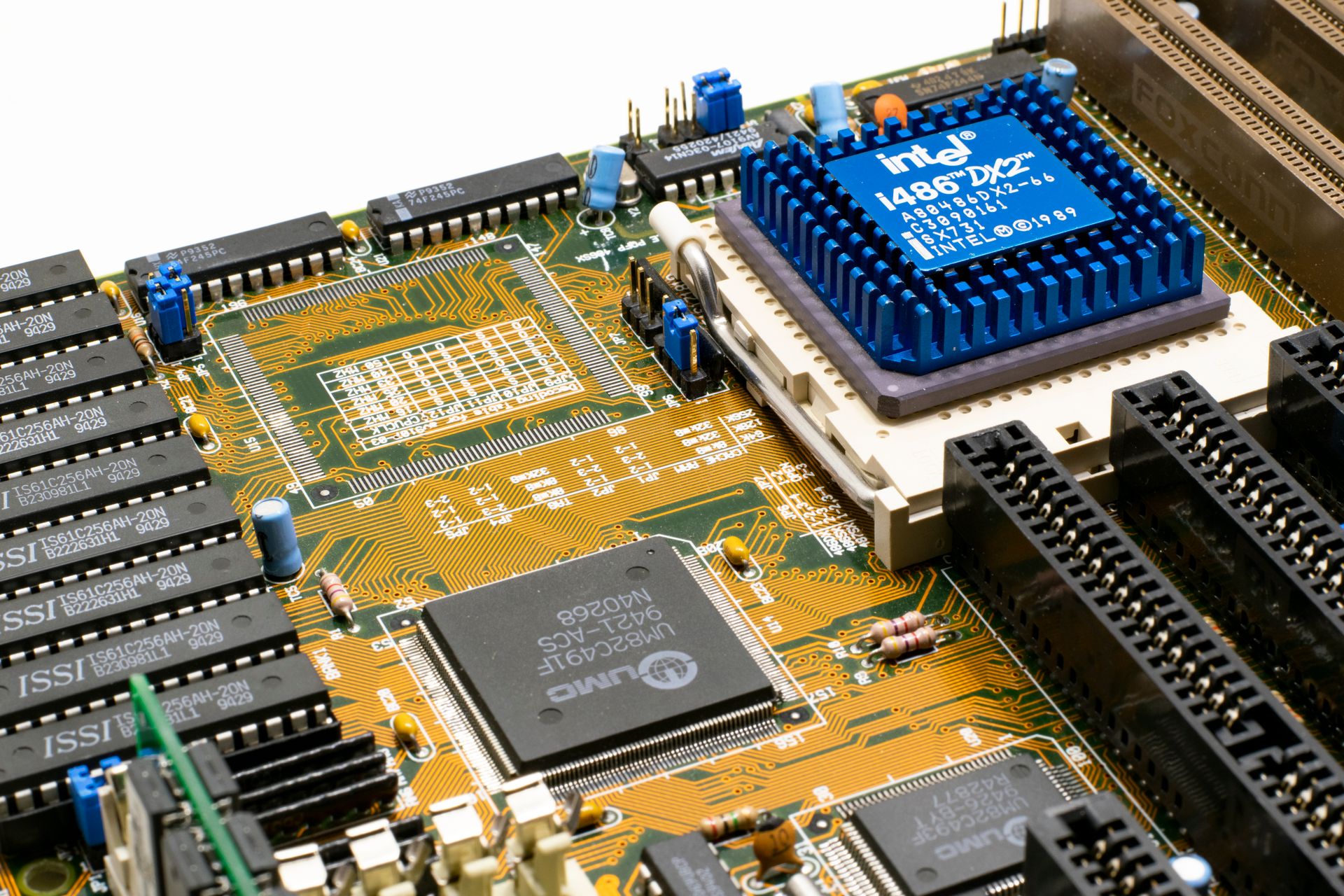
What is Itanium, and why did a hobbyist bring the dead chip architecture back to life?
A hobbyist developer has built an emulator that mimics Intel's discontinued Itanium (IA-64) processor architecture, capable of booting real versions of Windows. The project shines new light on a chip architecture widely considered a commercial failure but still fascinating from an engineering standpoint.
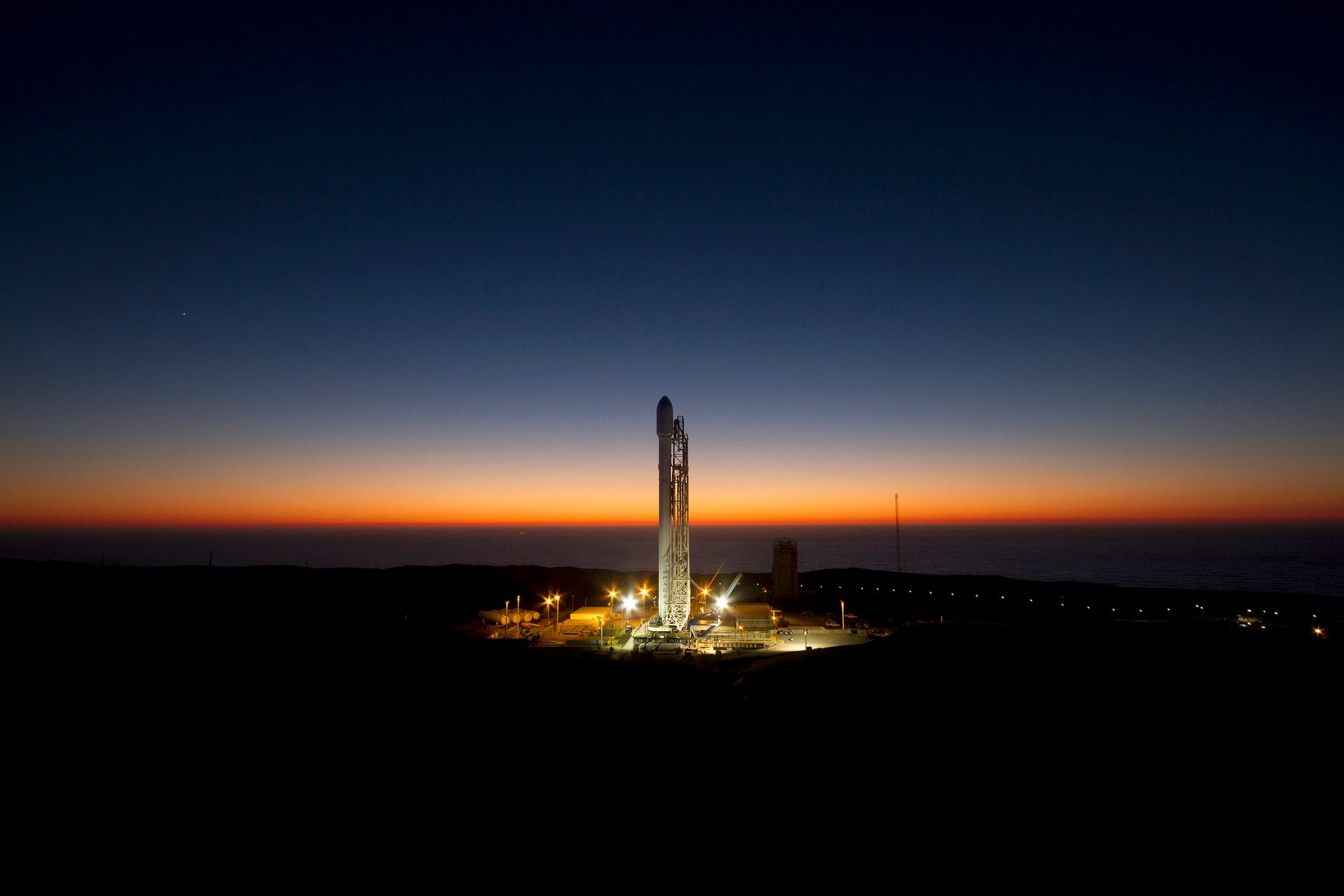
India's first privately built rocket reaches orbit on a dramatic debut launch
A rocket developed by an Indian private space company has become the country's first privately built vehicle to reach orbit, succeeding on its very first attempt. The milestone is seen as a turning point for India's fast-growing private space industry.

Netflix paid $587M for Ben Affleck's AI filmmaking startup: what it signals for Hollywood
Netflix has announced it paid $587 million in cash to acquire InterPositive, an AI-powered filmmaking startup co-founded by actor and producer Ben Affleck. The deal is one of the largest recent examples of a streaming platform investing in AI to cut production costs.

What is prior authorization, and can AI actually fix it?
Prior authorization — one of the most hated bottlenecks in US healthcare — is now being automated with AI by both insurers and hospitals. But experts warn the same technology that promises to speed up approvals could just as easily make the standoff between the two sides worse.