OpenAI acquires presentation startup NextSlide, folding its team into ChatGPT

OpenAI has announced the acquisition of NextSlide, a startup that used artificial intelligence to automate the process of building presentations. The company has not disclosed the financial terms of the deal but confirmed that the NextSlide team will now join the ChatGPT product team.
NextSlide had built a tool allowing users to generate professional-looking presentations from simple text prompts. The startup's technology was built around an AI engine that automatically arranged design templates and suggested content for each slide.
The acquisition fits into OpenAI's recent strategy of absorbing small, focused AI startups into its broader organization. Deals like this allow the company to bring skilled engineers onto its team while rapidly expanding ChatGPT's capabilities in specific workflows.
Presentation creation has become one of the most in-demand applications for AI tools among business users. From Microsoft's Copilot features integrated into PowerPoint to Google's AI assistance in Slides, major tech companies are competing intensely in this space.
OpenAI's move into presentation-building aligns with its broader goal of positioning ChatGPT as a central part of the office productivity ecosystem rather than just a chat tool. The company has added features like document editing and spreadsheet creation to ChatGPT in recent months.
Industry observers note that these so-called "acqui-hire" deals — acquisitions made primarily to bring skilled teams on board rather than for the product itself — have become increasingly common in the AI sector. Large companies increasingly prefer buying small, specialized teams over building similar capabilities from scratch.
NextSlide's founding team said in a statement that they were excited their technology would now reach millions of ChatGPT users. The team did not offer details on the future of the standalone NextSlide product.
Analysts say presentation creation represents a segment of AI-powered productivity tools with strong commercial potential. Corporate customers appear willing to pay premium subscription fees for tools that save meaningful preparation time.
The acquisition is seen as part of OpenAI's broader effort to strengthen its position in the enterprise market. The company aims to make ChatGPT an indispensable workplace tool as it competes against established rivals like Microsoft and Google.
This kind of consolidation activity is viewed as a sign that the market for AI-powered productivity tools is entering a maturing phase, with analysts expecting more similar small-scale acquisitions in the coming months.
Read next

Why OpenAI's pricey smart speaker uses moving parts to seem "more alive"
OpenAI's reported premium smart speaker will reportedly include moving mechanical parts designed to give the device a sense of personality. The company has confirmed the design is not modeled on an Apple product, according to a new report.

How an Amazon data center could power up the country's most polluting plant
To power a new West Texas data center, Amazon is investing in a natural-gas plant that could become one of the largest single sources of greenhouse gas emissions in the United States. The facility will initially operate outside the state's power grid.

Why AI writing detectors are creating a new era of distrust
AI writing detectors, descended from anti-plagiarism tools, are now casting suspicion on students, writers, and professionals alike. Experts warn the technology is far less reliable than many assume, fueling a broader crisis of trust.

How London's King's Cross went from red-light district to one of the world's top AI hubs
Two decades ago, London's King's Cross was known as one of the city's seediest districts. Today it hosts leading AI labs like DeepMind, illustrating how urban regeneration and tech clustering can reinforce one another.
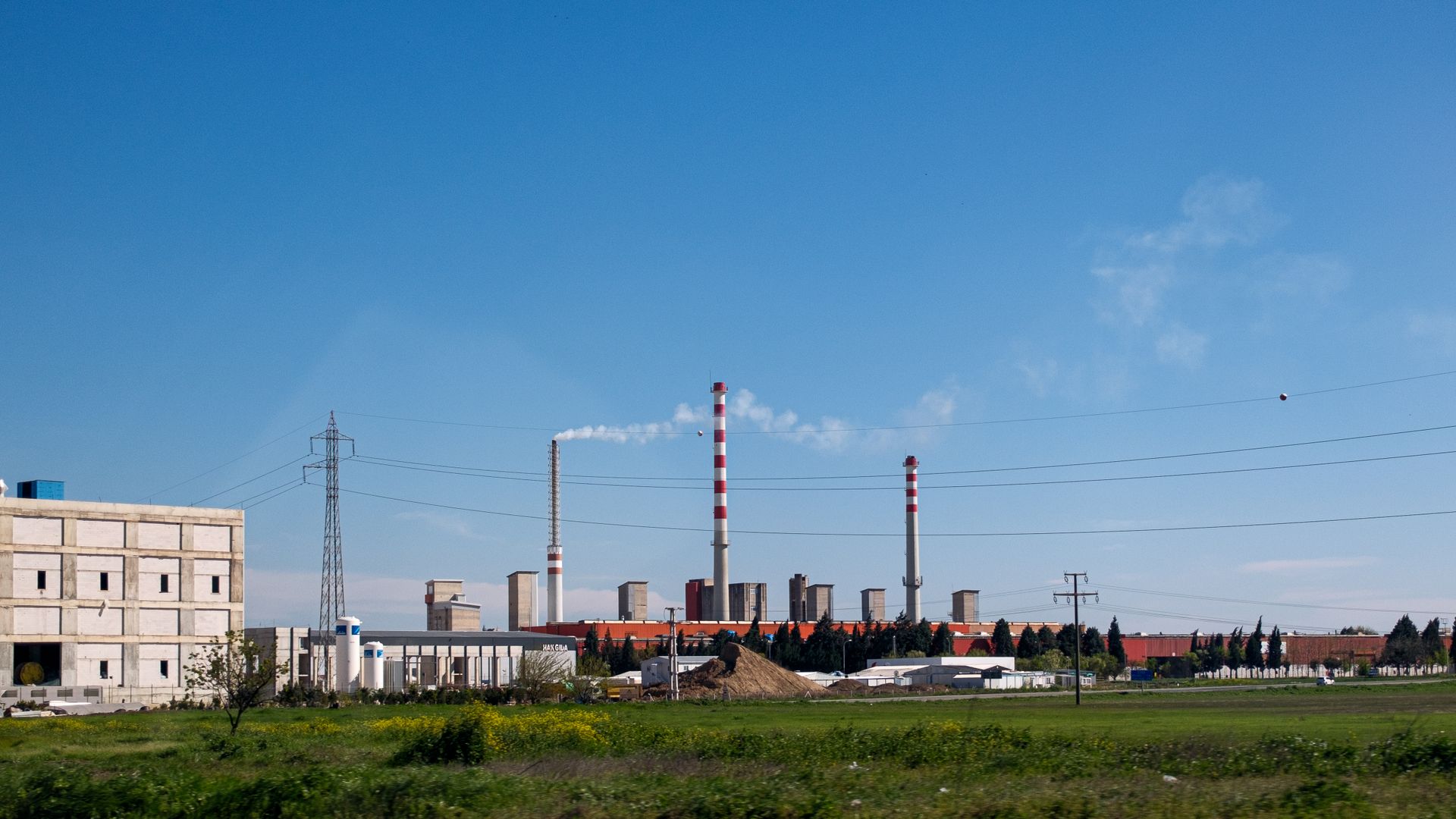
Planned Amazon data center could become the biggest climate polluter in the U.S.
As part of a planned Texas data center, Amazon is investing in an on-site power plant that could reportedly become the single largest source of climate pollution in the United States. The development highlights growing concern over the energy demands of AI infrastructure.