How an Amazon data center could power up the country's most polluting plant

Amazon has confirmed a substantial investment in a new natural-gas power plant to supply its new data center in Pecos County, Texas — a facility that could become one of the largest single sources of greenhouse gas emissions in the United States. The project illustrates just how quickly the company's energy needs are growing to support its AI infrastructure.
The plant, known as GW Ranch, will consist of 35 natural-gas turbines with a combined generation capacity of 7.65 gigawatts. That scale approaches the total power output of a mid-sized country.
One notable aspect of the project is that the plant will not, at least initially, be connected to the Texas state power grid. Most of the electricity generated is designed to flow directly to Amazon's new data center rather than into the broader grid.
According to Cleanview, an organization that tracks data centers and their associated power projects, the GW Ranch plant received a construction permit from the state of Texas. The organization describes the project's scale as among the largest such investments in the sector.
Training and running AI models requires extraordinary amounts of computing power, and correspondingly, electricity. Major tech companies are increasingly investing in their own dedicated power generation capacity to meet surging energy demand.
Environmental experts warn that dedicated power plants of this kind could conflict with climate commitments. Natural-gas plants produce significantly more carbon emissions than renewable energy sources.
Amazon has set a company-wide target of reaching net-zero carbon emissions by 2040. Critics argue that investments in dedicated natural-gas plants to power AI infrastructure sit uneasily alongside that pledge.
The company says in its statement that it continues to invest in renewable energy and views the natural-gas plant as a transitional solution, though it did not share a concrete timeline for any shift away from gas.
Similar projects are being weighed by other technology companies across the United States. As AI data centers' energy needs continue climbing, investment in natural-gas plants is expected to increase in the coming years.
Experts say the trend calls for closer monitoring of the tech sector's carbon footprint. The relationship between AI's growth and rising energy demand appears likely to remain a priority for regulators and investors alike in the period ahead.
Read next

Why OpenAI's pricey smart speaker uses moving parts to seem "more alive"
OpenAI's reported premium smart speaker will reportedly include moving mechanical parts designed to give the device a sense of personality. The company has confirmed the design is not modeled on an Apple product, according to a new report.

Why AI writing detectors are creating a new era of distrust
AI writing detectors, descended from anti-plagiarism tools, are now casting suspicion on students, writers, and professionals alike. Experts warn the technology is far less reliable than many assume, fueling a broader crisis of trust.

How London's King's Cross went from red-light district to one of the world's top AI hubs
Two decades ago, London's King's Cross was known as one of the city's seediest districts. Today it hosts leading AI labs like DeepMind, illustrating how urban regeneration and tech clustering can reinforce one another.

OpenAI acquires presentation startup NextSlide, folding its team into ChatGPT
OpenAI has acquired NextSlide, a startup that used AI to help users build presentations, with the team now moving to work on ChatGPT. Terms of the deal were not disclosed.
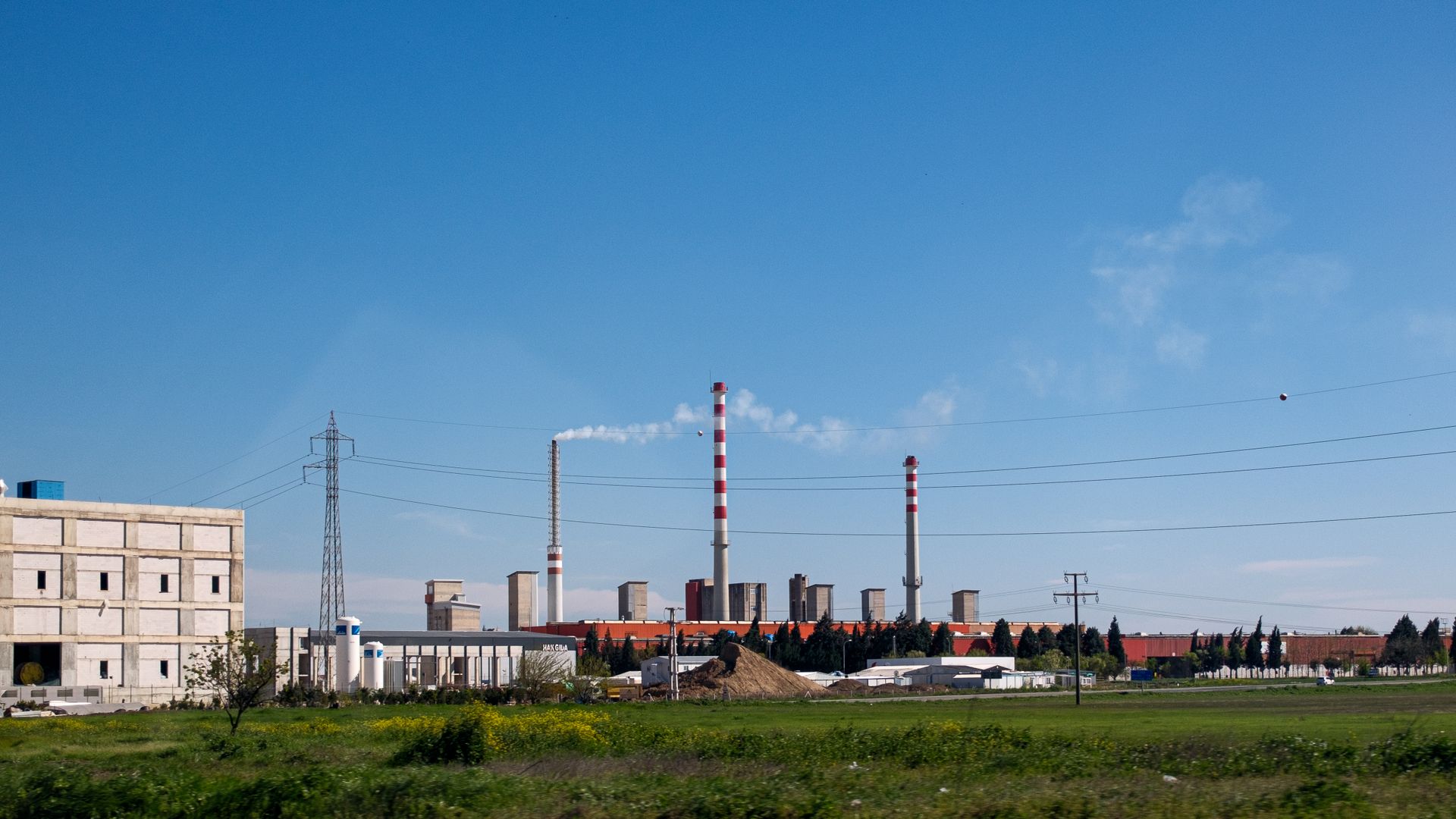
Planned Amazon data center could become the biggest climate polluter in the U.S.
As part of a planned Texas data center, Amazon is investing in an on-site power plant that could reportedly become the single largest source of climate pollution in the United States. The development highlights growing concern over the energy demands of AI infrastructure.