How London's King's Cross went from red-light district to one of the world's top AI hubs

More than two decades ago, King's Cross was known as one of London's least reputable districts. The area was associated with street prostitution, drug use, and derelict industrial buildings, and many Londoners considered it a place best avoided after dark.
Today, the same district hosts some of the world's leading artificial intelligence companies. Google's AI research lab, DeepMind, conducts globally influential research from its headquarters in King's Cross. The area's transformation tells a story far larger than the relocation of a single company.
The roots of the transformation trace back to a large-scale urban regeneration project that began in the late 1990s. Derelict rail yards and former industrial facilities were redeveloped through a long-term planning process aimed at creating a mixed-use district combining housing, office space, and public areas.
The area's transport infrastructure also played a key role in the transformation. King's Cross and St Pancras stations became a major transit hub connecting London to the rest of Europe and the wider United Kingdom, and that connectivity proved decisive in attracting companies and skilled workers to the district.
Google's decision to invest in the area is viewed as one of the transformation's turning points. The company's sprawling headquarters building in King's Cross cemented the district's reputation within the tech sector and encouraged other technology companies to establish a presence nearby.
Experts say these kinds of urban transformations tend to create a self-reinforcing cycle: a major company moving in draws suppliers and skilled workers, which in turn increases the area's appeal and encourages further investment.
Universities in the area also played an important role in the transformation. The relocation of the Central Saint Martins art school to the district created an unexpected synergy between the creative industries and the technology sector.
Similar transformation stories have been observed in other cities around the world. The conversion of former industrial districts or neglected urban areas into technology clusters is studied by urban planners as a potentially repeatable model.
Experts caution, however, that King's Cross's success cannot be easily replicated elsewhere. The district's central location, strong transport links, and long-term, coordinated public-private partnership represent a combination not every city possesses.
Today, King's Cross is studied not just as a technology hub but as an example of how urban transformation can produce a fundamental shift in a district's image. Its story continues to serve as inspiration for city planners considering the potential of neglected urban areas.
Read next

Why OpenAI's pricey smart speaker uses moving parts to seem "more alive"
OpenAI's reported premium smart speaker will reportedly include moving mechanical parts designed to give the device a sense of personality. The company has confirmed the design is not modeled on an Apple product, according to a new report.

How an Amazon data center could power up the country's most polluting plant
To power a new West Texas data center, Amazon is investing in a natural-gas plant that could become one of the largest single sources of greenhouse gas emissions in the United States. The facility will initially operate outside the state's power grid.

Why AI writing detectors are creating a new era of distrust
AI writing detectors, descended from anti-plagiarism tools, are now casting suspicion on students, writers, and professionals alike. Experts warn the technology is far less reliable than many assume, fueling a broader crisis of trust.

OpenAI acquires presentation startup NextSlide, folding its team into ChatGPT
OpenAI has acquired NextSlide, a startup that used AI to help users build presentations, with the team now moving to work on ChatGPT. Terms of the deal were not disclosed.
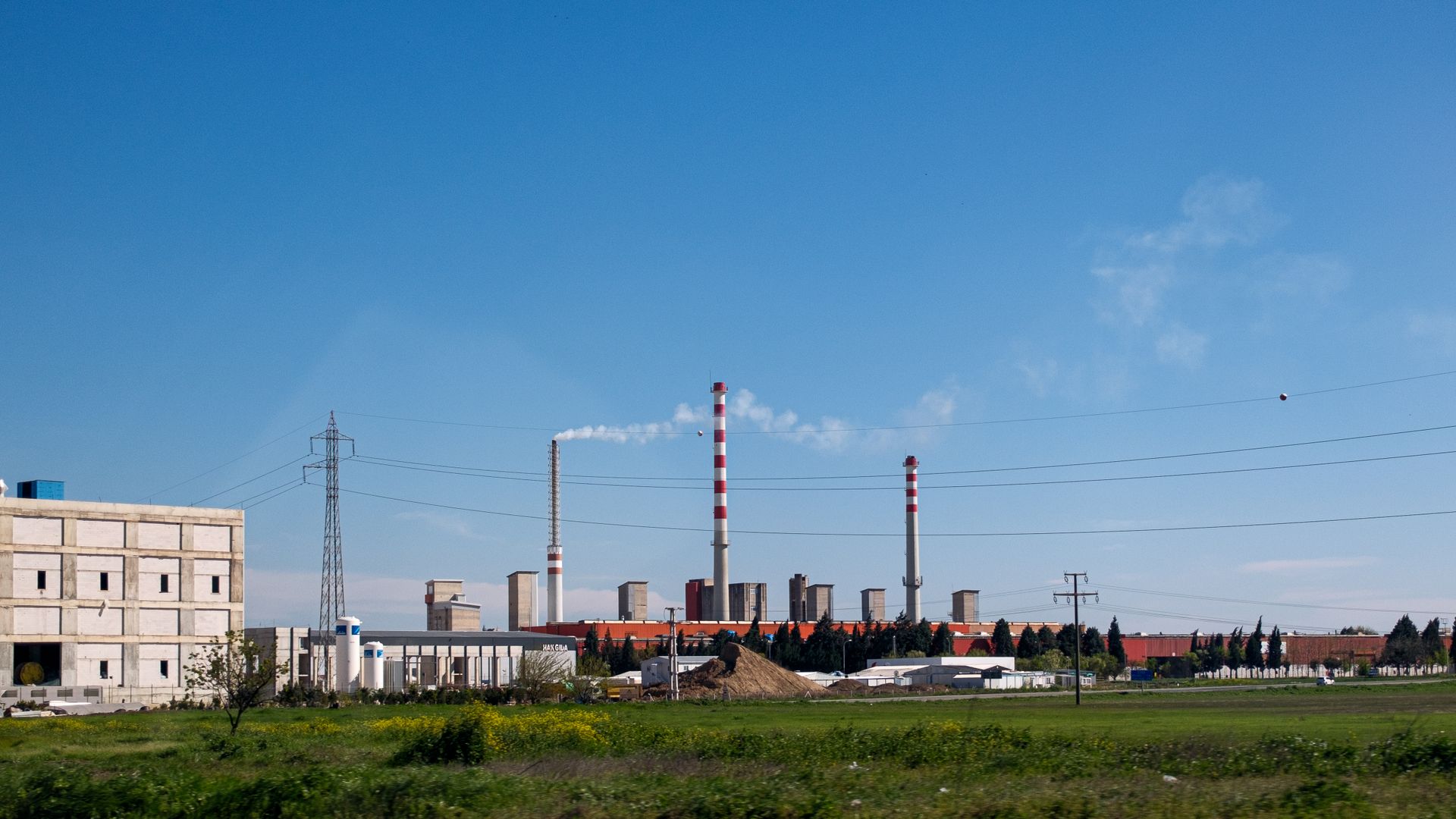
Planned Amazon data center could become the biggest climate polluter in the U.S.
As part of a planned Texas data center, Amazon is investing in an on-site power plant that could reportedly become the single largest source of climate pollution in the United States. The development highlights growing concern over the energy demands of AI infrastructure.