Why AI writing detectors are creating a new era of distrust

AI writing detectors trace their roots back to anti-plagiarism tools used by educators and editors long before ChatGPT existed. Those original tools worked by comparing a piece of writing against a vast database of online content, scholarly articles, and other sources, flagging matching sentences and phrases.
Established tools like Turnitin produced a percentage indicating how much of a text appeared to be drawn from other sources. But the rise of ChatGPT and similar large language models fundamentally changed the job these tools were asked to do: they're now expected to detect not just copied text, but original text generated by AI.
The problem is that detecting AI-generated writing is a far harder technical challenge than detecting direct copying. Plagiarism detection looks for an exact match against an existing source. AI-generation detection, by contrast, relies on probabilistic guesses based on a text's "statistical signature."
That statistical approach produces serious error rates. Research has documented numerous cases where these tools incorrectly flagged writing by actual humans as AI-generated. Non-native English speakers and writers with a more formal, structured style face a disproportionately high risk of being misidentified.
These false positives can carry serious consequences. Students have faced disciplinary action over academic misconduct accusations they never committed. Some universities have begun warning faculty against treating detection-tool results as sufficient evidence on their own.
Similar concerns are surfacing in journalism and publishing. As editors grow suspicious of writers' authenticity, writers in turn worry their genuinely original work could be wrongly flagged as AI-generated — a dynamic that erodes the trust underpinning the writer-editor relationship.
Detection tool companies say they continuously update their algorithms and that accuracy rates are improving. Independent researchers counter that as AI models keep advancing, detection tools risk perpetually lagging a step behind in an arms race they may never fully win.
Some experts argue the problem calls for an institutional shift in approach rather than a purely technical fix. Alternatives like oral exams, reviewing draft history, or process-based assessment are being floated as ways to reduce overreliance on detection tools altogether.
Meanwhile, as AI-generated writing grows increasingly indistinguishable from human writing, warnings are mounting that reliable detection may eventually become technically impossible. Some researchers predict that, in the medium term, dependable detection may simply not be achievable.
Ultimately, the climate of distrust created by AI detectors points to a bigger question than the technology itself: how authenticity in written communication gets verified will continue to shape education and publishing for years to come.
Read next

Why OpenAI's pricey smart speaker uses moving parts to seem "more alive"
OpenAI's reported premium smart speaker will reportedly include moving mechanical parts designed to give the device a sense of personality. The company has confirmed the design is not modeled on an Apple product, according to a new report.

How an Amazon data center could power up the country's most polluting plant
To power a new West Texas data center, Amazon is investing in a natural-gas plant that could become one of the largest single sources of greenhouse gas emissions in the United States. The facility will initially operate outside the state's power grid.

How London's King's Cross went from red-light district to one of the world's top AI hubs
Two decades ago, London's King's Cross was known as one of the city's seediest districts. Today it hosts leading AI labs like DeepMind, illustrating how urban regeneration and tech clustering can reinforce one another.

OpenAI acquires presentation startup NextSlide, folding its team into ChatGPT
OpenAI has acquired NextSlide, a startup that used AI to help users build presentations, with the team now moving to work on ChatGPT. Terms of the deal were not disclosed.
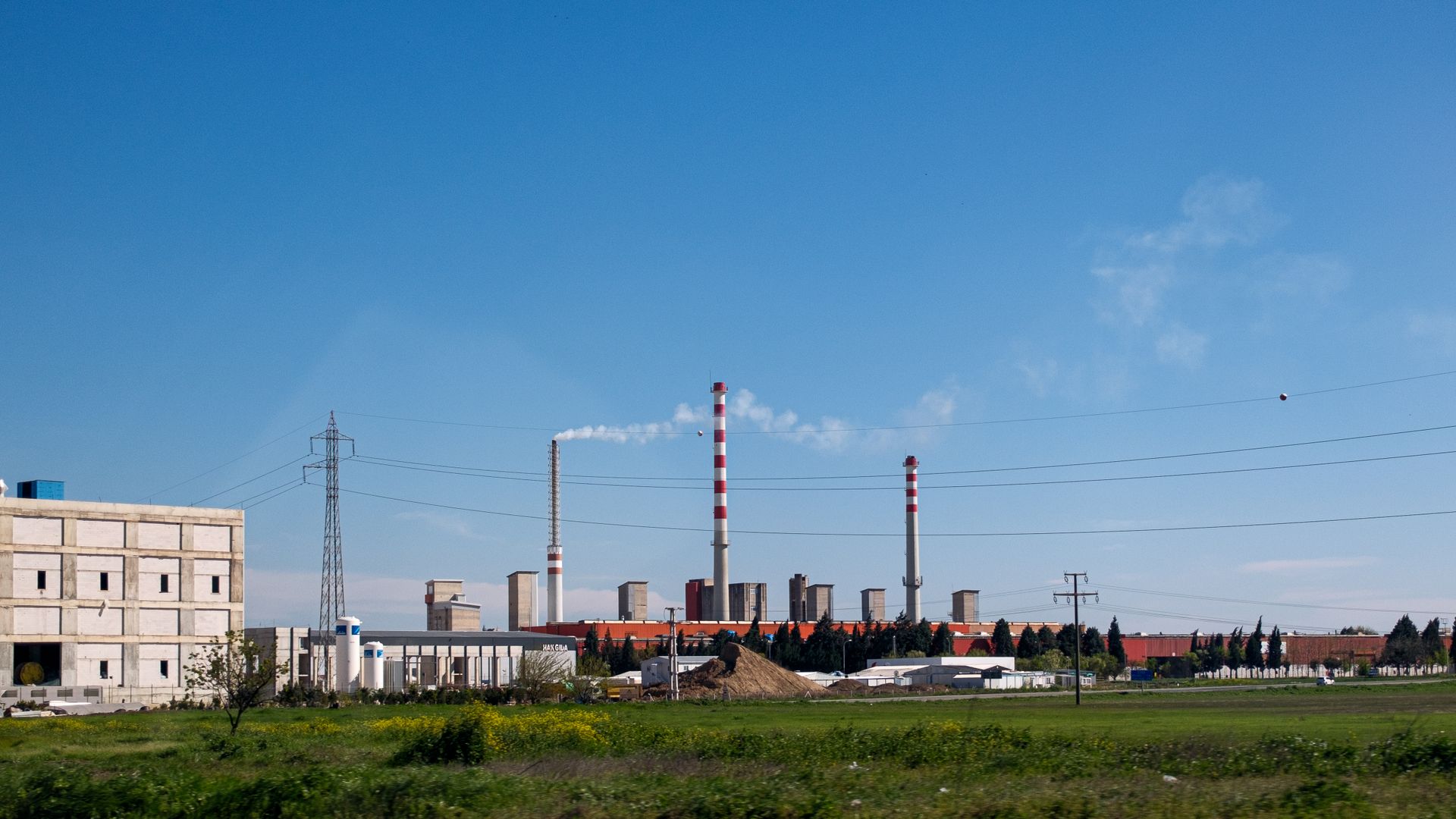
Planned Amazon data center could become the biggest climate polluter in the U.S.
As part of a planned Texas data center, Amazon is investing in an on-site power plant that could reportedly become the single largest source of climate pollution in the United States. The development highlights growing concern over the energy demands of AI infrastructure.