How AI is helping Google find and fix Chrome bugs faster

Google says it fixed 1,072 security bugs across two Chrome releases published in June. That figure surpasses the 1,036 bugs the company patched across 23 releases over the previous two years — a historic jump for the browser's security team.
Google attributes the increase to a single factor: artificial intelligence. Early in 2026, the company built a Gemini-powered agent harness designed to scan Chrome's sprawling codebase for vulnerabilities while minimising false positives.
One of the system's most notable finds was a sandbox-escape vulnerability that had sat unnoticed in the codebase for more than 13 years. Bugs of that type are considered especially dangerous because they can let attackers break out of the browser's isolated execution environment and reach the underlying operating system.
The AI-assisted scanning also produced, naturally, a sudden surge in the volume of bug reports. Google says report volume had already surpassed 2025's full-year total by March 2026 — a result that represented both an achievement and a new logistical challenge for the security team.
To manage that volume, Google largely automated its triage and patching pipeline. By the company's own description, the system now relies on multiple AI agents handling distinct tasks.
So-called 'fixing agents' draft candidate code patches for each vulnerability identified. Separate 'critic agents' evaluate those patches, filtering out incorrect or incomplete fixes. 'Test-writing agents' then generate cross-platform test suites for each patch, ensuring a fix in one area does not introduce new problems elsewhere.
This multi-agent workflow places Google among a growing number of companies using AI to hunt for vulnerabilities in their codebases. Microsoft has followed a similar trajectory, finding an exponentially growing number of bugs in its own products through automated discovery tools.
Experts largely welcome the development, though several open questions remain. These include whether AI-generated fixes reach production without human oversight, what verification steps are mandatory, and whether automating the process at this scale could introduce new, harder-to-predict categories of bugs.
Still, the discovery of a sandbox escape that went undetected for over a decade stands out as concrete evidence that AI-assisted scanning can surface patterns human reviewers missed for years.
Google says it plans to extend the approach beyond Chrome to other product lines, suggesting the practice of delegating vulnerability scanning to AI agents is becoming standard procedure among large technology companies rather than the exception.
Read next
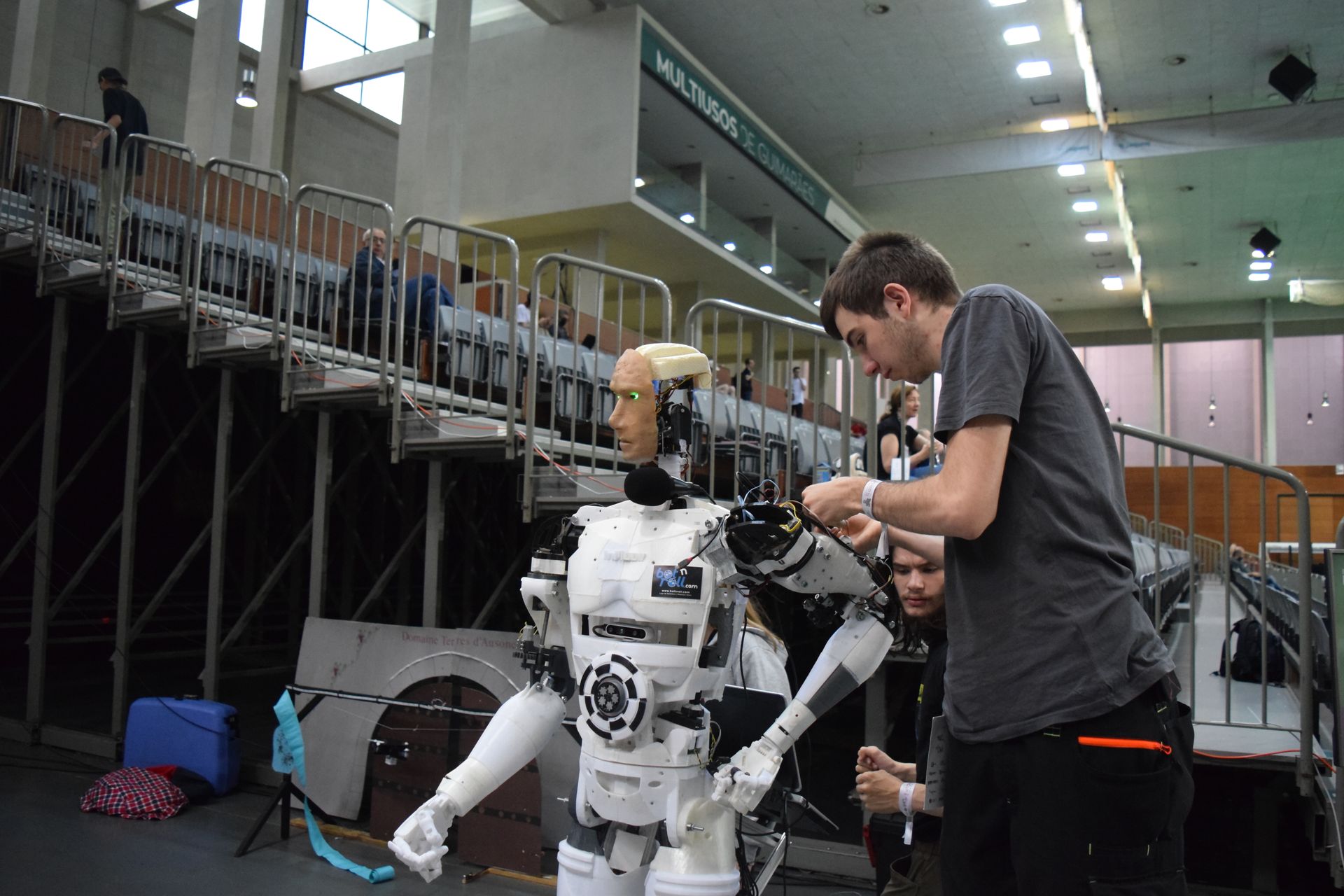
Google DeepMind unveils Gemini Robotics 2, giving robots 'whole body' intelligence
Google DeepMind announced Gemini Robotics 2 on 30 July, a family of AI models designed to give robots coordinated control of their entire body, from torso to legs. The system achieved a 92% success rate at a task requiring it to unscrew a lightbulb in tests, though success rates dropped to as low as 46% for tasks like picking objects up off the floor.

Quantum advantage: how do we know a quantum computer's results are correct?
Teams including IBM, the University of Chicago, Algorithmiq, Qedma and RIKEN published three separate papers on the same day, 30 July, each claiming to perform calculations beyond the reach of classical computers — this time with built-in verification methods that can confirm the results are accurate. The work tackles the question that has long undermined 'quantum advantage' claims: if you can't check the answer classically, how do you know it's right?

CareCloud data breach: what happened to 350,000 patients' medical records
US health technology company CareCloud has confirmed hackers accessed one of its electronic medical record databases for at least six days in March, in a breach that affected roughly 350,000 people. The company began mailing notification letters in July; no known hacker group has yet claimed responsibility for the attack.

Do school phone bans work? What the data shows
A new Pew Research Center survey finds 77% of US adults support banning cellphones in class, and 48% now back all-day bans — up from just 36% two years ago. Here's what's driving the shift in opinion, and what the research actually shows.

Why are AI's top startups publishing less research than ever?
The field of AI, once known for its culture of open research, is entering a more closed era in which the leading startups are sharing their findings less and less. Here's what's driving the shift, and what it means for the wider scientific community.