Jet lag: how sunlight and meal timing help travelers beat it faster
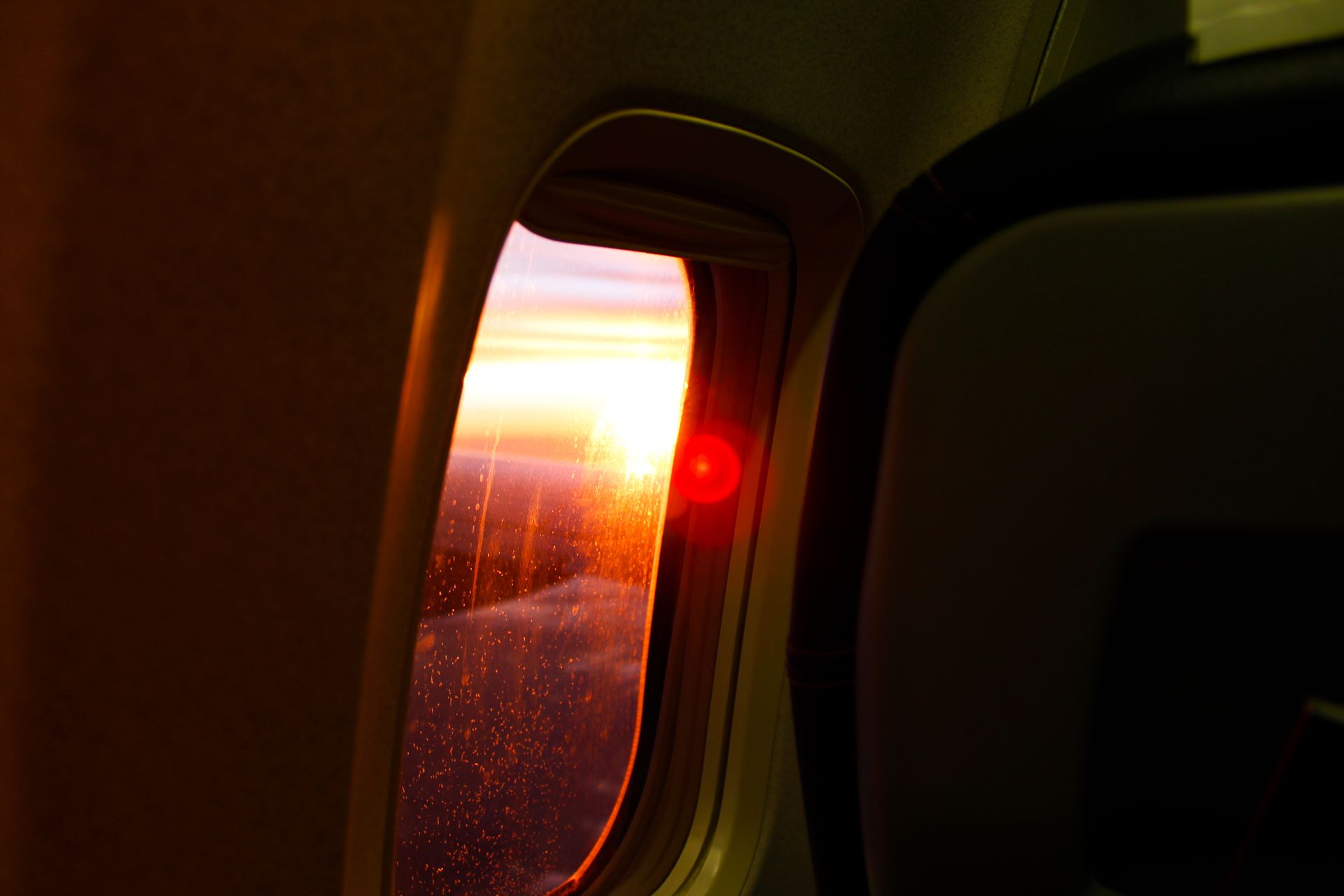
Jet lag arises when the body's roughly 24-hour internal clock, known as the circadian rhythm, falls out of sync with local time after air travel compresses that adjustment into hours instead of the weeks nature intended. The clock, seated in a small region of the brain called the hypothalamus, normally resets itself using light and darkness as cues.
Symptoms include daytime fatigue, nighttime insomnia, poor concentration, digestive upset and a general sense of being off balance. Researchers note that eastward travel is typically harder to adjust to than westward travel, because shortening the body's day is physiologically more demanding than lengthening it.
Sleep scientists say one of the most effective tools is timing light exposure deliberately. Bright light in the early morning shifts the internal clock earlier, while evening light delays it. Travelers flying east are generally advised to seek morning sunlight at their destination; those flying west should avoid it in the evening.
Meal timing is also gaining attention from researchers. Some studies suggest the body's 'peripheral clocks' in the liver and digestive system respond to when food is eaten, meaning shifting mealtimes early to match the new zone can speed adjustment alongside light exposure.
Preparation before departure can make a measurable difference. Sleep specialists recommend gradually shifting bedtime and wake time toward the destination zone for several days beforehand; even thirty-to-sixty-minute daily shifts can meaningfully ease the transition.
Melatonin supplements remain popular with travelers, but experts caution that dosage and timing matter enormously — taken at the wrong hour, melatonin can confuse the circadian rhythm rather than correct it. Staying hydrated and limiting alcohol in flight are also widely recommended.
Short, strategic naps during travel can help some passengers, though experts suggest capping them at roughly ninety minutes and timing them around the destination's clock, since longer or poorly timed naps can worsen nighttime sleep on arrival.
Movement plays a role too. Light exercise on the plane and after landing can help regulate cortisol and boost alertness; researchers point to a brisk outdoor walk in daylight as particularly effective, since it combines light exposure with activity.
A commonly cited rule of thumb is roughly one day of recovery per time zone crossed, though individual variation is significant — age, baseline sleep quality and how often someone travels all affect recovery speed.
Experts note that for short business trips, it can sometimes make more sense to stay close to home-time rather than fully adjust, while longer stays generally benefit from committing to full adaptation as quickly as possible.
Read next

Can chewing gum lower HPV levels? What a new study found
Researchers found that a chewing gum formulated with specific compounds reduced oral HPV viral load by up to 93% in some study participants. The early-stage findings raise hope for a low-cost tool against a virus linked to a rising share of head and neck cancers.

Why sitting up straight may improve mood and decision-making
New research suggests posture does more than protect the back — sitting upright appears to influence mood, stress response and even decision-making speed. Scientists behind the study explain what the body-mind link reveals about everyday posture habits.

3 midlife health factors that could delay dementia by 13 years
A new long-term study has found that three modifiable health factors in midlife can delay the average onset of dementia by roughly 13 years. Researchers stress that addressing these factors in a person's 40s and 50s, rather than later in life, produces a substantially larger protective effect.

Could gut microbiome transplants be the next treatment for food allergies
Researchers are testing whether transplanting gut bacteria from healthy donors can retrain the immune systems of children with severe food allergies, starting with peanut allergy. Early-stage trials show promise, but scientists caution that questions about safety, mechanism and durability remain unresolved.

FDA approves Moderna's mRNA flu vaccine, the first to use the technology
The FDA has approved Moderna's mFlusiva, the first influenza vaccine built on mRNA technology, following the platform's rapid rollout during the Covid-19 pandemic. Researchers say the approval could reshape how quickly flu vaccines are updated each season and how effective they become.