Could gut microbiome transplants be the next treatment for food allergies

Food allergies have risen markedly among children over the past two decades, and researchers still cannot fully explain why. One hypothesis holds that shifts in the gut microbiome contribute to the immune system overreacting to otherwise harmless proteins.
Building on that hypothesis, a group of researchers is testing whether fecal microbiome transplants — transferring gut bacteria from a healthy donor to a recipient — can retrain immune tolerance in children with food allergies. The studies focus first on peanut allergy, since it is both common and potentially life-threatening.
In early-stage clinical trials, some children who completed the procedure showed a raised threshold for tolerating peanut protein, with several participants able to consume amounts that previously triggered reactions without symptoms. Researchers caution, however, that sample sizes remain small.
The underlying mechanism is not yet fully understood. Scientists believe certain bacterial species may signal to immune cells lining the gut wall in ways that suppress production of the antibodies that drive allergic reactions, though which species or combinations matter most is still under investigation.
Safety remains one of the field's biggest concerns. Fecal transplants can carry a rare risk of infection, and regulators require rigorous screening of donor material. Researchers say protocols used in pediatric trials undergo especially strict safety checks.
Some scientists are exploring whether delivering specific bacterial strains in capsule form, rather than a full fecal transplant, could offer a safer and more scalable alternative. That approach would remove the need for donor material and allow for standardized manufacturing.
Allergy specialists say the microbiome approach's potential advantage over oral immunotherapy, the current standard treatment, is that it may not require patients to maintain ongoing exposure to the allergen — oral immunotherapy requires years of regular allergen dosing to sustain tolerance.
Experts anticipate the approach may not remain limited to peanut allergy, and could eventually extend to other common food allergies such as milk, egg and shellfish, though each allergen would require separate clinical validation.
Research teams are now planning larger, randomized controlled trials and expect clearer results within a few years. Scientists broadly agree that both efficacy and long-term safety data must be gathered before the procedure could enter routine clinical practice.
For families, the research offers a new source of hope against the daily constraints of living with food allergy, though experts stress that experimental treatments remain far from clinical approval and that current management plans should not be changed.
Read next

Can chewing gum lower HPV levels? What a new study found
Researchers found that a chewing gum formulated with specific compounds reduced oral HPV viral load by up to 93% in some study participants. The early-stage findings raise hope for a low-cost tool against a virus linked to a rising share of head and neck cancers.

Why sitting up straight may improve mood and decision-making
New research suggests posture does more than protect the back — sitting upright appears to influence mood, stress response and even decision-making speed. Scientists behind the study explain what the body-mind link reveals about everyday posture habits.

3 midlife health factors that could delay dementia by 13 years
A new long-term study has found that three modifiable health factors in midlife can delay the average onset of dementia by roughly 13 years. Researchers stress that addressing these factors in a person's 40s and 50s, rather than later in life, produces a substantially larger protective effect.
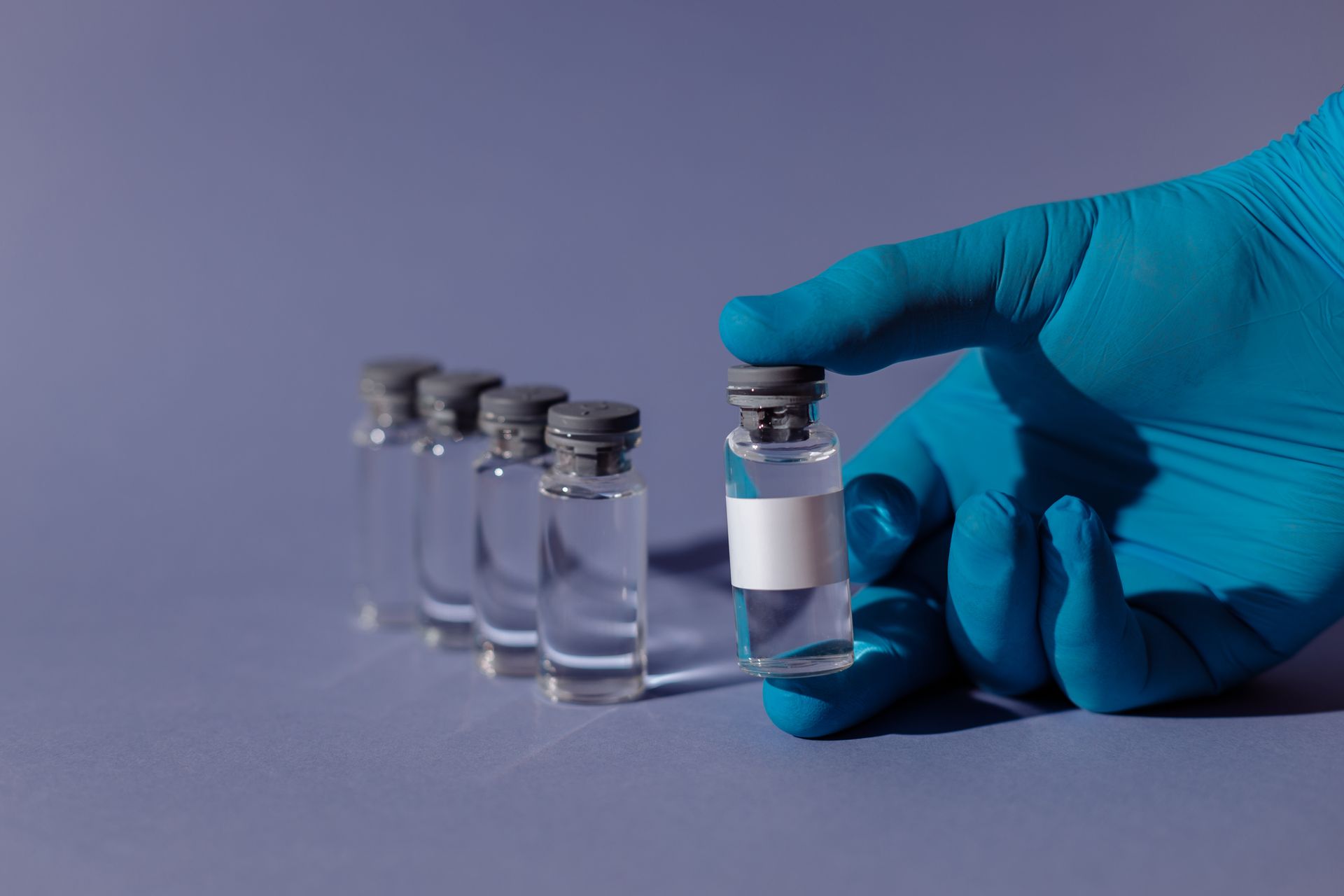
FDA approves Moderna's mRNA flu vaccine, the first to use the technology
The FDA has approved Moderna's mFlusiva, the first influenza vaccine built on mRNA technology, following the platform's rapid rollout during the Covid-19 pandemic. Researchers say the approval could reshape how quickly flu vaccines are updated each season and how effective they become.

Jet lag: how sunlight and meal timing help travelers beat it faster
Jet lag disrupts the body's internal clock when travelers cross several time zones quickly. Sleep scientists say adjusting light exposure, meal timing and sleep schedules before and during a trip can meaningfully shorten recovery. Here is what the research actually recommends.