Alzheimer's treatment: why a new amyloid drug may carry a lower brain-swelling risk
The biggest advance in Alzheimer's treatment over the past five years has been the approval of antibody drugs that clear amyloid-beta plaques from the brain. Drugs such as lecanemab and donanemab reached the market backed by clinical data showing they slow the disease's progression, offering the first concrete evidence in a decades-long debate over the "amyloid hypothesis." But every one of these drugs carries the same risk: ARIA, or amyloid-related imaging abnormalities.
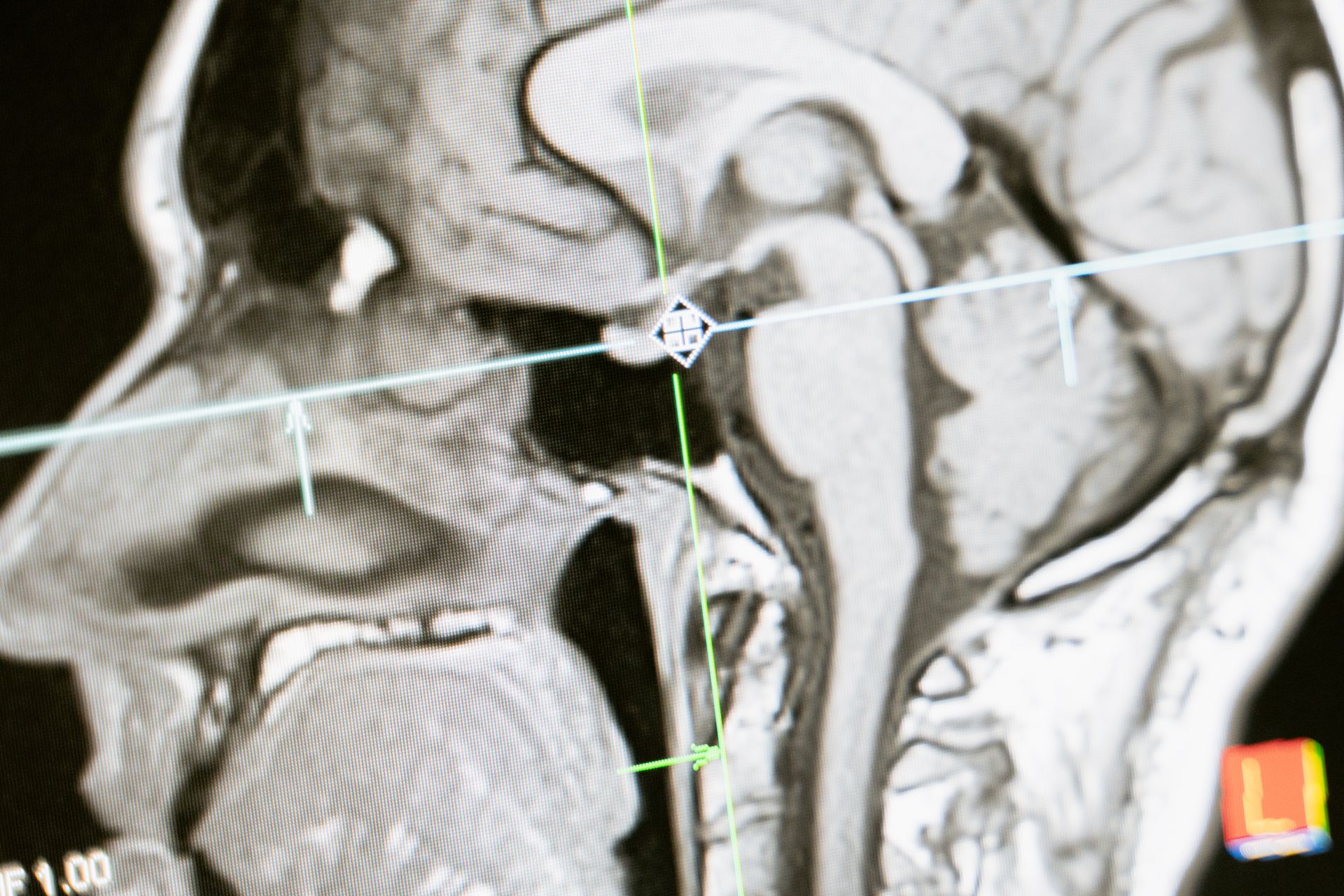
ARIA can show up on brain scans as swelling (ARIA-E) or small bleeds (ARIA-H). In most cases it is mild and produces no symptoms, but in some patients it can cause headaches, confusion, and, rarely, more serious neurological symptoms. The risk is notably higher in patients who carry a particular genetic variant, APOE4, and it requires doctors to schedule regular MRI scans throughout treatment.
Toronto-based biotech company ProMIS Neurosciences is testing a different targeting strategy. The molecule it has developed does not go after the full mass of stable amyloid plaques that accumulate in the brain; instead, it targets small, soluble toxic clusters known as "amyloid oligomers," which are thought to damage neurons in the disease's earliest stages.
That selectivity matters, because some researchers believe ARIA arises when drugs aggressively break down large, stable plaques and disturb the amyloid embedded around blood vessels in the process. The theory behind ProMIS's strategy is that a molecule focused on small, soluble oligomers could neutralise the toxic components driving the disease without triggering that particular side effect.
The early-stage clinical data are still small in scale and preliminary, but according to STAT News, the results were considered encouraging: no clear cases of ARIA were seen among the trial's participants, and biomarker evidence suggested the molecule was indeed engaging amyloid oligomers as intended. The company hopes the findings will form the basis for larger studies.
Experts in the field agree it is far too early to declare victory. Small trials frequently look promising and then fail to replicate the same effect in larger, randomised studies — the history of Alzheimer's drug development is littered with such reversals. Still, independent researchers describe the scientific rationale behind the selective-targeting approach as sound.
A reduced ARIA risk could have concrete consequences in clinical practice. Patients currently undergo regular MRI monitoring throughout treatment, which makes the drugs both expensive and difficult to access — a particular barrier for patients who live far from an MRI scanner. A safer drug could ease that monitoring burden and open treatment to a wider group of patients.
The commercial success of amyloid-targeting therapies also hinges on developments like this one. Lecanemab and donanemab have seen lower-than-expected uptake because of their high cost and intensive monitoring requirements, and insurers and health systems have approached coverage cautiously because of ARIA risk. A safer profile could reduce some of the administrative barriers these drugs currently face.
ProMIS's molecule remains firmly within the bounds of early-stage development, and the path to approval, if it comes at all, runs through years of further testing: larger Phase 2 trials, followed by randomised Phase 3 studies. The company is seeking additional funding to move the programme forward and is waiting to see whether these early results hold up at the next stage.
For researchers, though, these early findings offer a proof of concept that amyloid-targeting treatments could become not just effective, but more practical for everyday use. They point to a possible next step for Alzheimer's treatment — not necessarily stronger drugs, but more selective ones.
Read next

Why does the same DNA damage cause cancer in some people, but not others?
Two people can be exposed to the same chemical and end up with identical DNA damage in their cells, yet only one of them develops cancer. A controlled mouse study has provided direct evidence that inherited genetics steers whether — and how — cancer emerges once that damage has occurred. The discovery could eventually help doctors predict cancer risk and personalise screening.

What does a sauna session actually do to your immune system?
The sauna has been a health ritual in Nordic culture for centuries, but science is only now mapping exactly what it changes in the body. Finnish researchers found that a single 30-minute sauna session, followed by a cold shower, raised the levels of every type of white blood cell circulating in participants' bloodstream. Here is what a single sauna session actually does to the immune system.

High-THC medicinal cannabis: why prescribed doses often run far above what trials have tested
THC is the main psychoactive compound in cannabis, and as the medicinal cannabis market has expanded rapidly, doctors are increasingly prescribing products with far higher concentrations than those tested in clinical trials. A review by researchers at Australia's Monash University found that of more than 1,000 available products, only two have been evaluated by the drug regulator. Here is what is known about high-dose THC risk, and why the gap matters.
What is AATD, and why are biotech firms racing to cure a genetic disease few have heard of
Alpha-1 antitrypsin deficiency, or AATD, is an inherited condition that can damage both the lungs and the liver, and until recently it was widely seen as a lost cause. Advances in gene-editing technology have now turned it into a genuine biotech gold rush, complete with patent disputes, startup defections, and a growing US-China rivalry. Here is what AATD is, and why it suddenly matters.

Picky eating in children: what actually gets a fussy child to the table
Picky eating is one of the most common mealtime battles parents face, and it typically peaks between the ages of two and six. Paediatric dietitians say the fight is rarely won through pressure or bribery, but through repetition and low-pressure exposure. Here is what child-nutrition guidance says actually works.