Picky eating in children: what actually gets a fussy child to the table

The scene can repeat itself at almost every dinner table: broccoli pushed to the side of the plate, a curled lip at the sight of spinach, a child who will only eat pasta or bread. According to child-nutrition specialists, this is an extremely common phase that most families go through, typically peaking between the ages of two and six. Experts call it "food neophobia" — an evolved caution toward new and unfamiliar foods that likely once protected small children from eating something harmful. The phase is frustrating, but it is considered developmentally normal, and it tends to ease with time in most children.
The point experts agree on most is that pressure backfires. Forcing a child to "just have one more bite," or promising a reward for clearing the plate, might seem to work in the short term, but it can actually build a negative association with that food. Guidance from bodies including the UK's National Health Service (NHS) instead recommends letting children explore food at their own pace, without being pushed or bribed into eating it.
One of the most widely cited approaches among paediatric dietitians is the "division of responsibility" framework, first popularised by the US dietitian Ellyn Satter. Under this model, the parent decides what food is offered, when it is offered, and where it is eaten; the child decides whether to eat it at all, and how much. Handing that second decision entirely to the child, dietitians say, removes the power struggle from the table — because there is nothing left to fight over.
Repetition, not persuasion, is what tends to move the needle. Research on food acceptance in young children has repeatedly found that a new food may need to be offered eight, ten, even fifteen separate times — with no expectation that it will be eaten — before a child accepts it. A single rejected serving of green beans is not a verdict; it is data point one of what might be a dozen.
Family-style meals, where everyone eats the same thing at the same table, are also considered more effective than short-order cooking a separate "safe" meal for a fussy eater. Seeing parents and siblings eat a food without comment, repeatedly and without fuss, is one of the strongest levers for normalising it — children are natural imitators, and mealtime modelling works quietly in the background.
Involving children in preparing food, even in small ways, is another strategy dietitians point to often. Washing vegetables, stirring a bowl, or arranging pieces of fruit on a plate gives a child a sense of ownership over what ends up in front of them, and familiarity — through touch, smell, and handling — can lower the resistance that comes with a completely unfamiliar dish.
Lowering the emotional temperature at the table matters as much as any specific technique. Dietitians commonly advise parents to avoid negotiating, pleading, or visibly showing frustration when food is refused, since children are highly attuned to parental anxiety around eating, and a tense table can reinforce the very behaviour a parent is trying to change.
Small, achievable exposure also helps: offering a new food alongside two or three foods a child already likes and eats without complaint, so the plate never feels entirely unfamiliar. Some dietitians describe this as pairing a "safe" food with a "new" food, giving a child room to experiment without the pressure of an entirely foreign meal.
Most picky eating resolves on its own well before adolescence, and specialists stress that occasional refusal, strong preferences, or a temporary phase of eating very few foods do not, by themselves, indicate a disorder. Growth tracked normally over time by a health visitor or paediatrician is generally the best reassurance that a child is getting what they need, even on weeks when vegetables barely feature.
Parents are advised to seek professional guidance if a child's diet narrows to a very small number of foods, if weight loss or poor growth accompanies the restriction, or if mealtimes involve gagging, extreme distress, or avoidance that goes well beyond ordinary fussiness — signs that can, in some children, point to avoidant/restrictive food intake disorder (ARFID) rather than typical picky eating. In those cases, a GP or registered dietitian can assess whether further support is needed.
Read next

Why does the same DNA damage cause cancer in some people, but not others?
Two people can be exposed to the same chemical and end up with identical DNA damage in their cells, yet only one of them develops cancer. A controlled mouse study has provided direct evidence that inherited genetics steers whether — and how — cancer emerges once that damage has occurred. The discovery could eventually help doctors predict cancer risk and personalise screening.

What does a sauna session actually do to your immune system?
The sauna has been a health ritual in Nordic culture for centuries, but science is only now mapping exactly what it changes in the body. Finnish researchers found that a single 30-minute sauna session, followed by a cold shower, raised the levels of every type of white blood cell circulating in participants' bloodstream. Here is what a single sauna session actually does to the immune system.

High-THC medicinal cannabis: why prescribed doses often run far above what trials have tested
THC is the main psychoactive compound in cannabis, and as the medicinal cannabis market has expanded rapidly, doctors are increasingly prescribing products with far higher concentrations than those tested in clinical trials. A review by researchers at Australia's Monash University found that of more than 1,000 available products, only two have been evaluated by the drug regulator. Here is what is known about high-dose THC risk, and why the gap matters.
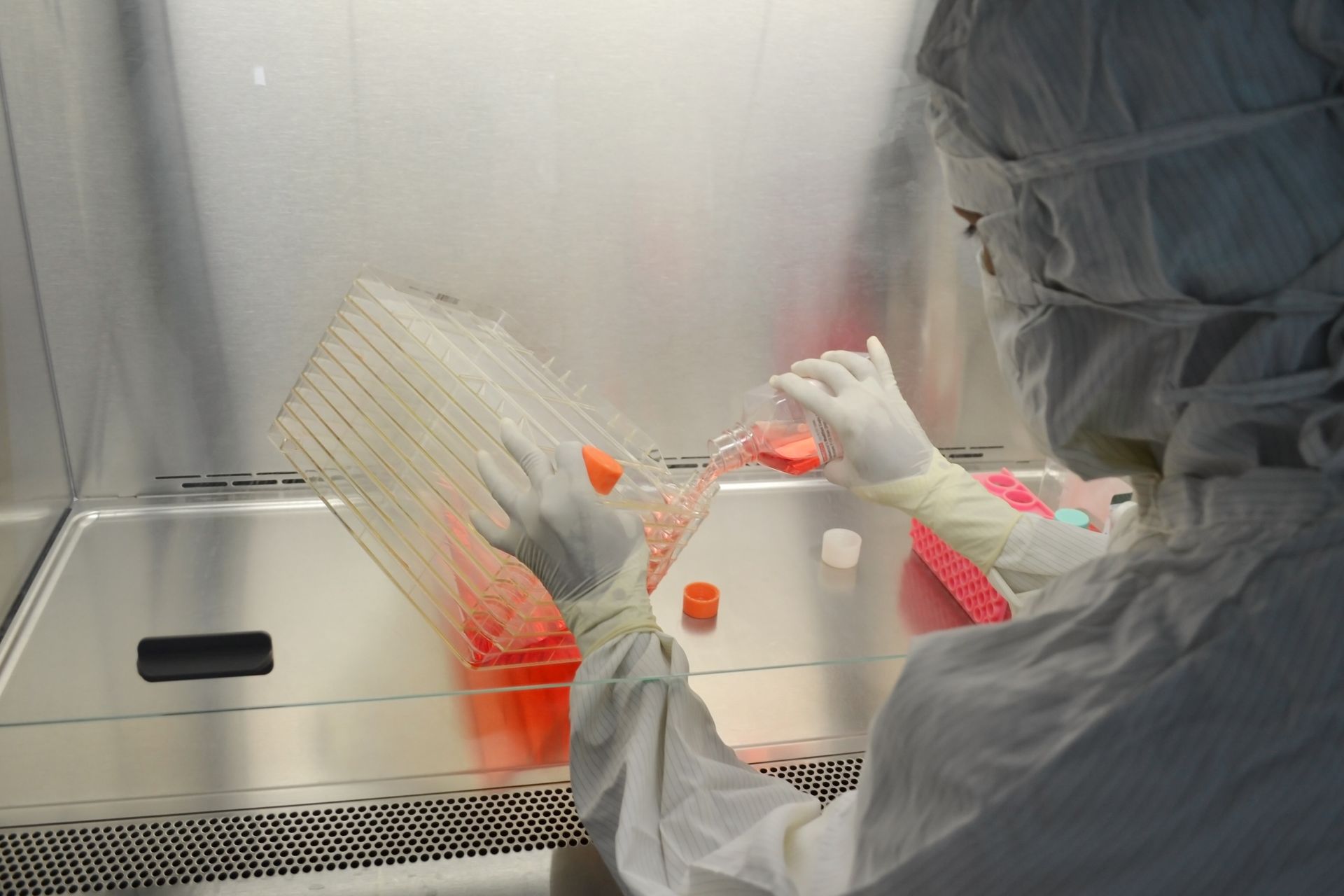
What is AATD, and why are biotech firms racing to cure a genetic disease few have heard of
Alpha-1 antitrypsin deficiency, or AATD, is an inherited condition that can damage both the lungs and the liver, and until recently it was widely seen as a lost cause. Advances in gene-editing technology have now turned it into a genuine biotech gold rush, complete with patent disputes, startup defections, and a growing US-China rivalry. Here is what AATD is, and why it suddenly matters.
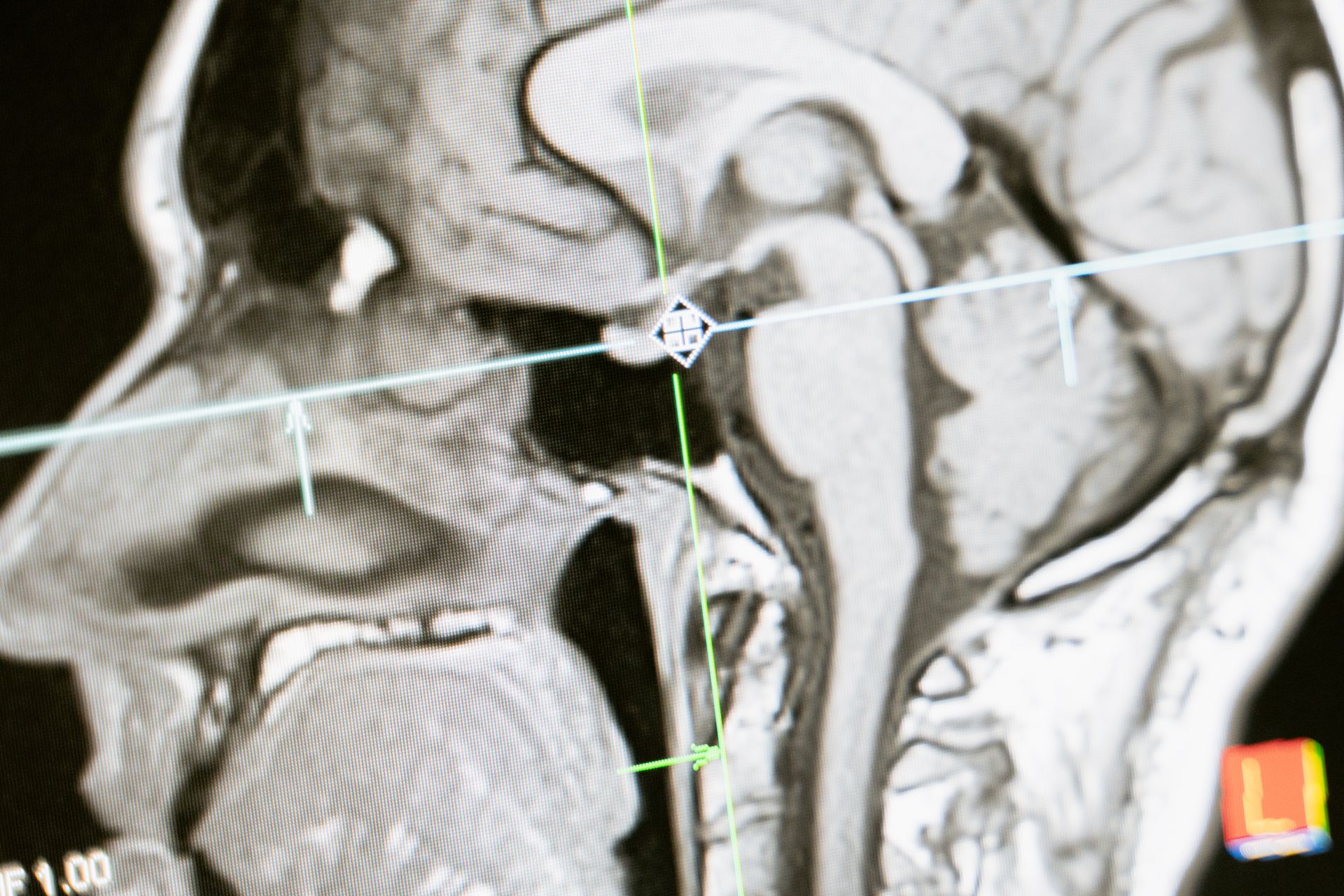
Alzheimer's treatment: why a new amyloid drug may carry a lower brain-swelling risk
Approved amyloid-clearing Alzheimer's drugs work, but they carry a side effect called ARIA — brain swelling and micro-bleeds visible on scans. An early-stage trial from ProMIS Neurosciences offers preliminary evidence that a molecule targeting toxic amyloid clusters more selectively could lower that risk. The results are still early, but researchers in the field call them encouraging.